

August 27, 2026

Scottish bishop warns against treating AI as a human relationship

Corrie Douglas-Young
More
Related
Min read
share

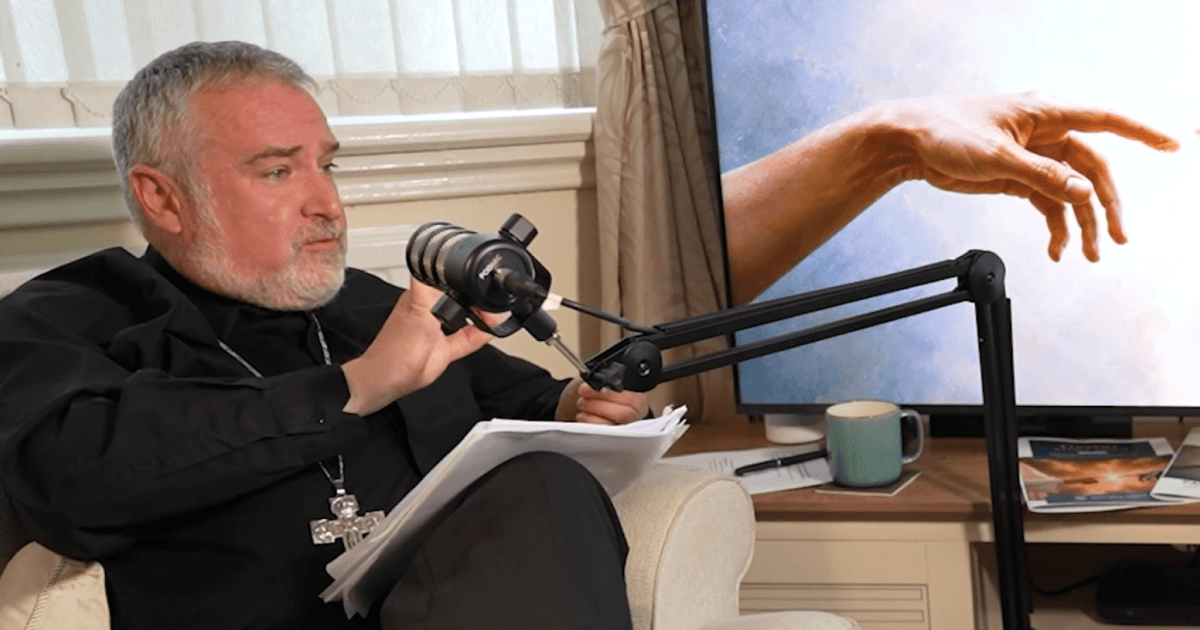
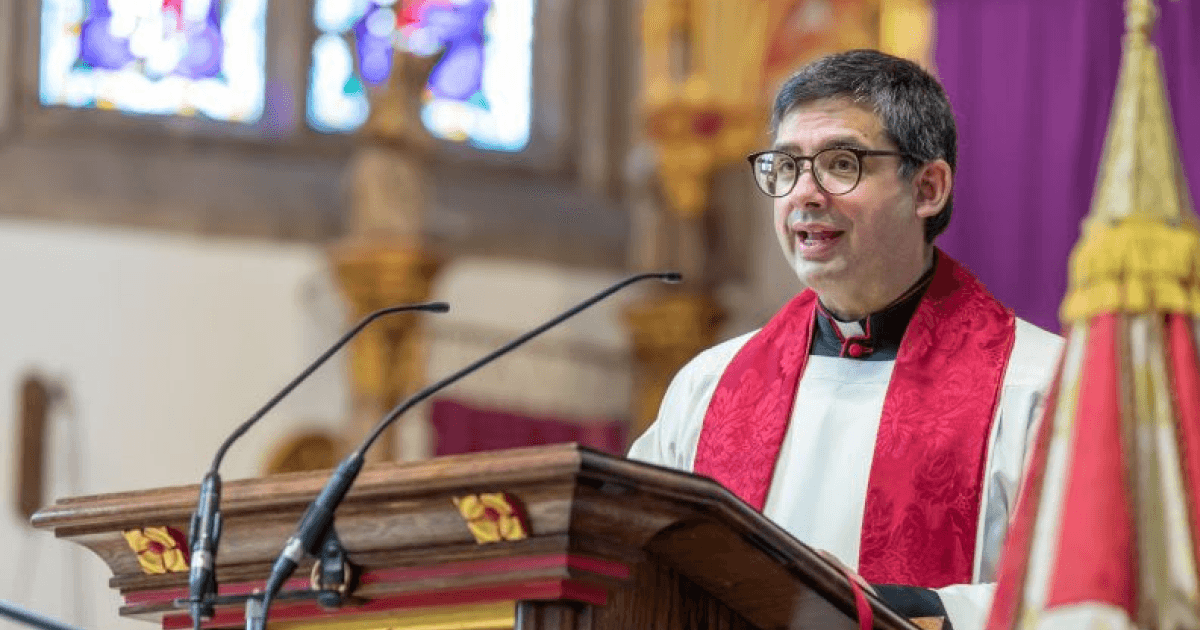
A Scottish bishop has emphasised the need to avoid seeing interactions with AI as anything similar to a relationship with another person, as he emphasised the need for it to be used as a tool directed towards the common good. Speaking with Fr Michael Kane on Being Catholic TV, Bishop Frank Dougan of Galloway warned against treating AI as something human, no matter how much it may appear so as its technology advances.

“The worry is that if it becomes almost an end in itself, ‘let's just make AI better and better’, then it's almost subverting it and saying ‘well, humanity should be at the service of this AI’,” Bishop Dougan said.
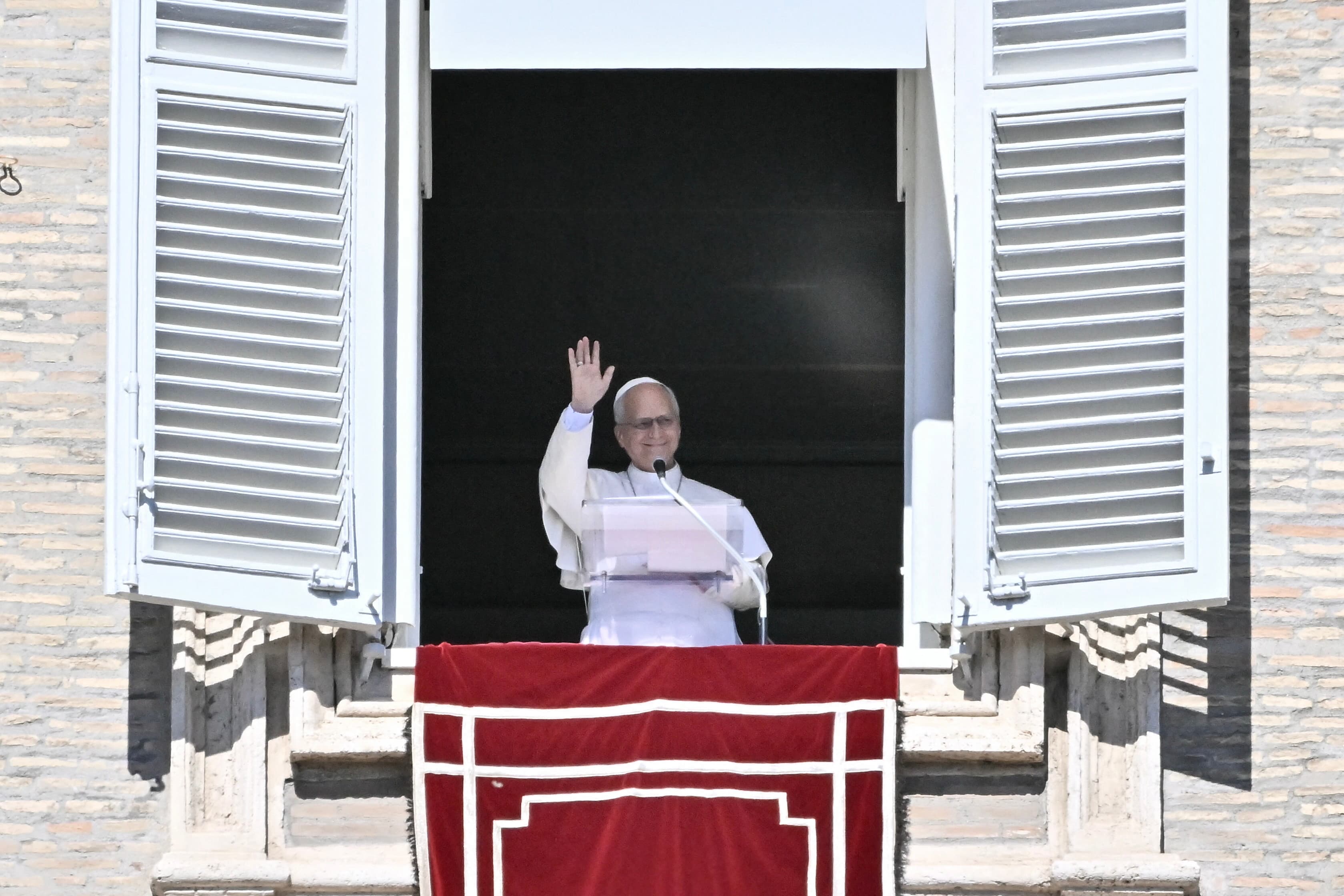
“It’s like all technology: it gets ahead of its creators. The moral authority is always that bit further behind, right back to Pope Leo XIII saying the same thing with the industrial revolution. He looked at all of these things that were happening and said: ‘I need to speak here’.” The bishop noted that the moral framework precedes the technology, but the application of it to the particular situation must be engaged with.

“This is where the Church doesn’t simply speak to its members, because the Church of God is there for all. And it is speaking to all of humanity in saying, ‘here is the moral framework, here is what the common good is’,” he said.

Bishop Dougan noted Pope Leo’s observation that AI is not neutral. “Its creators put into it what they want and so it’s not equally used and it’s not equally applied, because those who have the authority are applying it and using it in certain ways.”

“In a relationship with another person, it’s the soul relating to the soul. You cannot have that relationship with another thing,” he said, encouraging people to avoid the temptation to think that if AI “looks human, maybe it is human”. “No, it just looks human, and no matter how much you imitate, it’s still an imitation.”

Fr Kane, who hosts the online platform, cited Magnifica Humanitas, where the Holy Father wrote: “In the era of artificial intelligence, when human dignity is threatened by new forms of dehumanization, ours is the pressing duty to remain profoundly human. We must lovingly safeguard the grandeur of humanity bestowed upon us and revealed in its fullness in Christ, the splendour of which no machine can ever replace.”

Bishop Dougan reflected that the Pope was “challenging this idea of progress”. “Progress is making things better, but why?” he said. “That is why you need voices like the Church to say, why are you doing this? You have all of these ‘techbros’, they’re doing it because they are enjoying doing it and they are trying to see how far they can push things.”

He continued: “What are you trying to achieve? The Holy Father is saying that if you can’t say, ‘for the common good of everyone, and not leaving anyone behind, then you don’t have the right why’. And that is where we need to step in”.

On August 21, Pope Leo urged a conference of Catholic legislators to ensure that AI is governed so as not to erode families and diminish humanity. The Pope said at the 17th annual International Catholic Legislators Network (ICLN) meeting that sound legislation should “encourage scientific and technological creativity while safeguarding fundamental human rights and freedoms”.

The Holy Father said that the “rapid development” of AI, which he previously described as an epochal turning point, risked “creating new forms of technological dependence, with poorer nations increasingly reliant on wealthier ones”. He encouraged vigilance on the issue, “lest innovation become another vehicle for ideological or economic colonialism”.

Continue reading with a free account

Create a free account to read up to five articles each month
Create free account

You have # free articles remaining this month.

Subscribe to get unlimited access.
Sign up

subscribe to the catholic herald today

Our best content is exclusively available to our subscribers. Subscribe today and gain instant access to expert analysis, in-depth articles, and thought-provoking insights—anytime, anywhere. Don’t miss out on the conversations that matter most.
Subscribe