



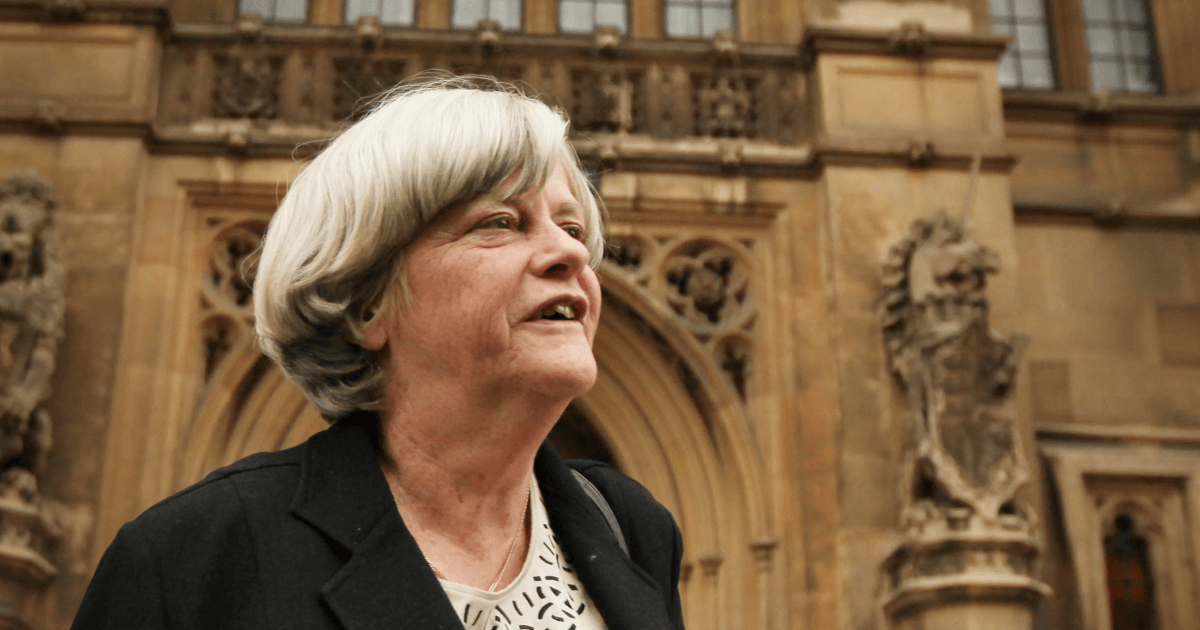
Ann Widdecombe’s death was shock enough – even at 78, I had thought she might last longer, tough bird that she was – but her murder is one of those events that rocks the nation. I knew her a little, on the back of a lunch here, an encounter there (one with the other murdered Catholic parliamentarian, David Amess), but when I reviewed her memoir in the Standard, she wrote to thank me for my observations. The book has long disappeared but one line in it stays in my memory: she said that as a single woman, she was always happy when she returned home at the end of the day and closed her door, and could do what she liked. She felt safe. She was not, in fact, necessarily single by choice – she had a boyfriend at Oxford, Colin, whom she had hoped to marry. But the issue is: if an elderly, highly respected single woman is not safe in her own home, then the country is gone to hell.
8:40 PM
‘She would have been brave to the end’
Anne Widdecombe’s violent death is a national tragedy that recalls a politician whose courage, Christian faith and unwavering convictions won her both devoted admirers and implacable critics
Melanie McDonagh

5 min read



Already a subscriber? Sign in
5freearticles every month
Continue reading with a free account. No card needed.
- Five free articles every thirty days, on any device you sign in on
- The Catholic Herald newsletter, every morning
- Subscribe whenever you like for everything: every article and the magazine
Related articles
 United Kingdom
In Pictures: The Apostolic Nuncio’s Visit to Liverpool
The Pope’s representative met clergy, schoolchildren and civic leaders during a five-day pastoral visit culminating in evening prayer at Liverpool Metropolitan Cathedral.
The Catholic Herald United Kingdom
In Pictures: Thousands pack Westminster Cathedral for Mass for Life
The Catholic Herald United Kingdom
Ann Widdecombe: A Catholic conscience in public life
The Catholic Herald United Kingdom
In Pictures: London’s Corpus Christi Procession
The Catholic Herald United Kingdom
Third of all pregnancies in England and Wales end in abortion, figures reveal
Simon Caldwell
subscribe to the catholic herald today
Our best content is exclusively available to our subscribers. Subscribe today and gain instant access to expert analysis, in-depth articles, and thought-provoking insights—anytime, anywhere. Don’t miss out on the conversations that matter most.
Subscribe



