January 14, 2026
January 14, 2026

Should I ask my priest for career advice? One of the Herald’s chaplains answers your questions

Min read
share

A concerned Catholic: “Charles is one of my oldest friends. We were at school together. I know that he takes his faith seriously. I would like to think that I do too. I was surprised, however, when he told me recently over dinner that he consults our priest regularly about personal and professional matters. Is this something normal, or something you would advise?”

Chaplain: The great majority of Catholics do not discuss their personal and professional affairs regularly with a priest, but this is nonetheless a normal part of priestly ministry. Priests frequently receive requests from parishioners and others asking to discuss matters of concern. These tend not to be doctrinal or liturgical questions, but issues that arise in the course of ordinary family life or in professional careers. This is hardly surprising. Ours is an incarnational faith; we are called to live it out in daily life, in the home and in the workplace.

Charles is to be commended for turning to his priest for advice. Let me try to elaborate. It is easy to see how it may seem odd, at first, to seek counsel from a celibate priest whose life is committed to the Church on matters relating to relationships or business.

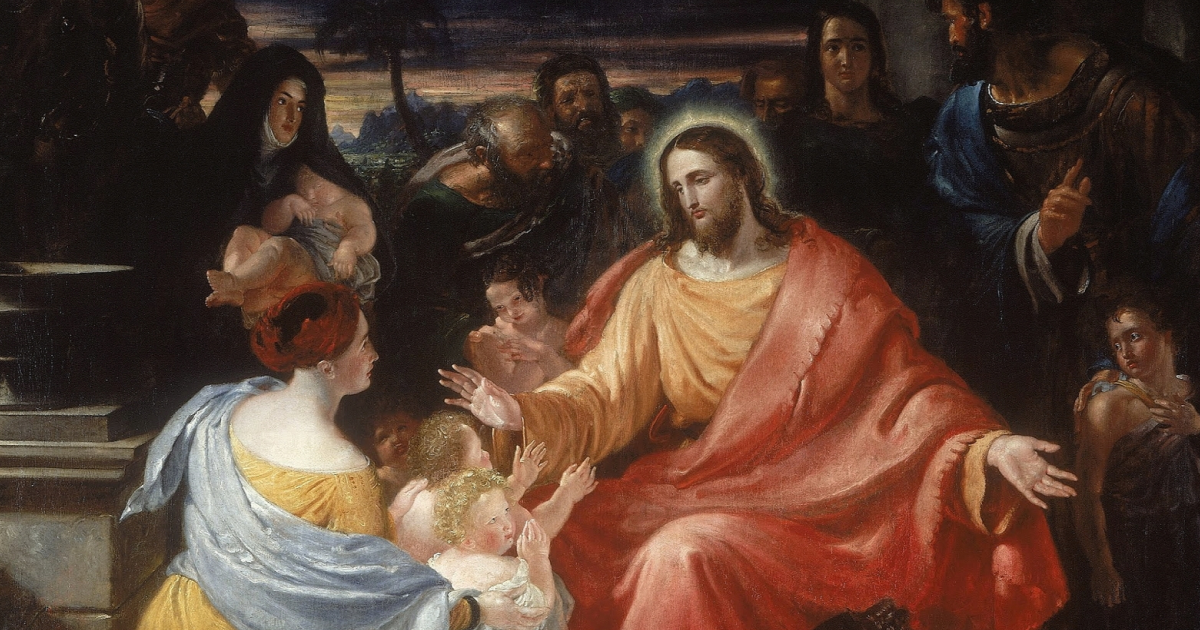
The priest, however, must be clear about the limits of his competence. He must never take decisions on behalf of another. Fairly or unfairly, this was once a criticism levelled against priests in general and Jesuits in particular: that they exercised undue influence over lay Catholics behind the scenes. Politics, economics, and many other areas of secular life are properly the domain of the laity. A priest is not an influencer, social worker, or arbitrator. Our Lord was direct when asked to intervene in a property dispute: “My friend, who appointed me your judge, or the arbitrator of your claims?” (Luke 12:14). Where Our Lord trod cautiously, priests must do likewise. At times it is necessary to say plainly that a subject lies beyond one’s competence.

Nevertheless, there are good reasons why a Catholic might take the substance of everyday life to a priest for advice. First, precisely because he lives a celibate life of simplicity, a priest can often be objective and disinterested. His concern is your good. Secondly, most priests have wide experience of dealing with people of many different backgrounds and circumstances, often over decades of ministry. They can bring perspective and hope to problems that may seem overwhelming to someone facing them for the first time and perhaps alone. A priest will have seen others encounter and overcome similar difficulties. Seeking counsel from those who genuinely wish us well is always wise. One should also be able to rely on a priest for confidentiality.

These, however, are largely worldly considerations. The most important reason for consulting a priest lies in the spiritual dimension. We should not compartmentalise our lives. God is present in every moment and in all our activities. Our actions have moral weight; they draw us closer to God and to heaven, or they do not. We are often tempted to view decisions purely in immediate or material terms. A priest can help situate them within the horizon of eternity.

A priest will pray for us. He will bring our concerns to the altar. He will encourage us to place these matters before God in daily prayer. He can help us discern the promptings of the Holy Spirit and guide us towards a sound decision. While he will never decide for us, he can help us recognise the spiritual and moral dimensions of the choices we face and how God may be speaking to us in them.

Charles does well to speak things over with his priest. Some do this more formally and regularly through spiritual direction. This usually involves meeting with a priest, religious, or trained lay person on a monthly basis. As the name suggests, it concerns spiritual matters such as prayer and sacramental life, but it also encompasses the whole of one’s life: family, friendships, work, and the effort to live the Catholic faith with integrity. Again, decisions are not taken away from the individual, but are made prayerfully and within the wisdom of the Church and the saints.

Spiritual direction is to be recommended to anyone seeking to take the spiritual life seriously. It is not always easy to find a spiritual director, particularly where priests are few and busy. One should never be afraid, however, to ask one’s own priest whether this is something he can offer or whether he can recommend someone suitable. The benefits can be considerable.
A concerned Catholic: “Charles is one of my oldest friends. We were at school together. I know that he takes his faith seriously. I would like to think that I do too. I was surprised, however, when he told me recently over dinner that he consults our priest regularly about personal and professional matters. Is this something normal, or something you would advise?”

Chaplain: The great majority of Catholics do not discuss their personal and professional affairs regularly with a priest, but this is nonetheless a normal part of priestly ministry. Priests frequently receive requests from parishioners and others asking to discuss matters of concern. These tend not to be doctrinal or liturgical questions, but issues that arise in the course of ordinary family life or in professional careers. This is hardly surprising. Ours is an incarnational faith; we are called to live it out in daily life, in the home and in the workplace.

Charles is to be commended for turning to his priest for advice. Let me try to elaborate. It is easy to see how it may seem odd, at first, to seek counsel from a celibate priest whose life is committed to the Church on matters relating to relationships or business.

The priest, however, must be clear about the limits of his competence. He must never take decisions on behalf of another. Fairly or unfairly, this was once a criticism levelled against priests in general and Jesuits in particular: that they exercised undue influence over lay Catholics behind the scenes. Politics, economics, and many other areas of secular life are properly the domain of the laity. A priest is not an influencer, social worker, or arbitrator. Our Lord was direct when asked to intervene in a property dispute: “My friend, who appointed me your judge, or the arbitrator of your claims?” (Luke 12:14). Where Our Lord trod cautiously, priests must do likewise. At times it is necessary to say plainly that a subject lies beyond one’s competence.

Nevertheless, there are good reasons why a Catholic might take the substance of everyday life to a priest for advice. First, precisely because he lives a celibate life of simplicity, a priest can often be objective and disinterested. His concern is your good. Secondly, most priests have wide experience of dealing with people of many different backgrounds and circumstances, often over decades of ministry. They can bring perspective and hope to problems that may seem overwhelming to someone facing them for the first time and perhaps alone. A priest will have seen others encounter and overcome similar difficulties. Seeking counsel from those who genuinely wish us well is always wise. One should also be able to rely on a priest for confidentiality.

These, however, are largely worldly considerations. The most important reason for consulting a priest lies in the spiritual dimension. We should not compartmentalise our lives. God is present in every moment and in all our activities. Our actions have moral weight; they draw us closer to God and to heaven, or they do not. We are often tempted to view decisions purely in immediate or material terms. A priest can help situate them within the horizon of eternity.

A priest will pray for us. He will bring our concerns to the altar. He will encourage us to place these matters before God in daily prayer. He can help us discern the promptings of the Holy Spirit and guide us towards a sound decision. While he will never decide for us, he can help us recognise the spiritual and moral dimensions of the choices we face and how God may be speaking to us in them.

Charles does well to speak things over with his priest. Some do this more formally and regularly through spiritual direction. This usually involves meeting with a priest, religious, or trained lay person on a monthly basis. As the name suggests, it concerns spiritual matters such as prayer and sacramental life, but it also encompasses the whole of one’s life: family, friendships, work, and the effort to live the Catholic faith with integrity. Again, decisions are not taken away from the individual, but are made prayerfully and within the wisdom of the Church and the saints.

Spiritual direction is to be recommended to anyone seeking to take the spiritual life seriously. It is not always easy to find a spiritual director, particularly where priests are few and busy. One should never be afraid, however, to ask one’s own priest whether this is something he can offer or whether he can recommend someone suitable. The benefits can be considerable.

share

subscribe to the catholic herald today

Our best content is exclusively available to our subscribers. Subscribe today and gain instant access to expert analysis, in-depth articles, and thought-provoking insights—anytime, anywhere. Don’t miss out on the conversations that matter most.
Subscribe