W hen Pope John XXIII called for the Second Vatican Council in 1959, he did not know fully what would be its outcome. He had an instinct, an inspiration taken on the basis of prayer and reflection that the Catholic Church needed aggiornamento, a bringing up-to-date, a manner in which its message of hope and salvation would be more relevant and effective in today’s society. Good Pope John, as he was called, died six months after the beginning of the Council in 1962 so did not live to see the dramatic development in the governance of the Church to fresh ecumenical outreach and a new way of being church in our modern world – and much else.
12:00 PM
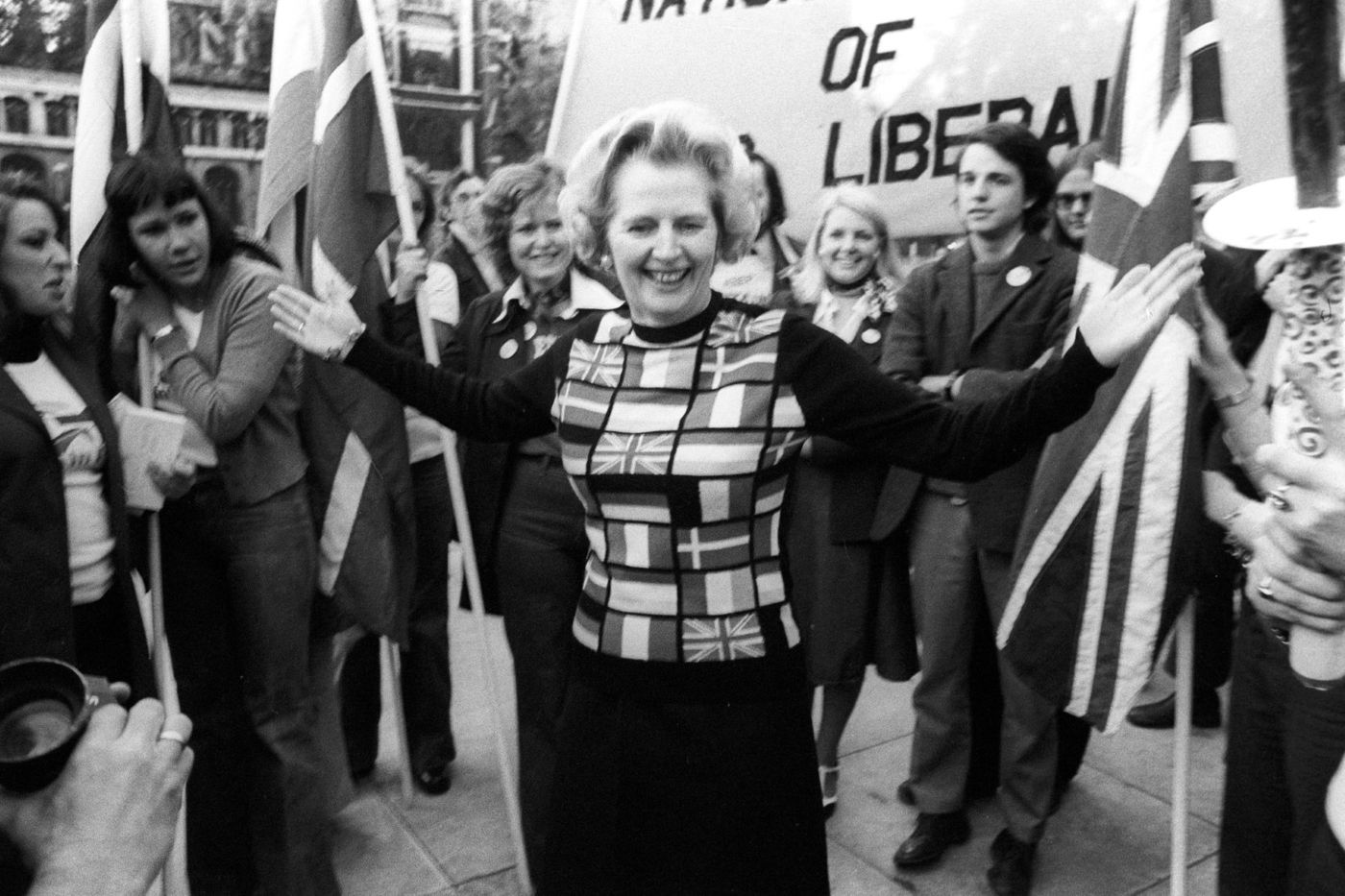
Staying friends after Brexit
w hen pope john xxiii called for the second vatican council in 1959, he did not know fully what would be its outcome. he had an instinct, an...
Cardinal Cormac Murphy-O'Connor
7 min read



Already a subscriber? Sign in
5freearticles every month
Continue reading with a free account. No card needed.
- Five free articles every thirty days, on any device you sign in on
- The Catholic Herald newsletter, every morning
- Subscribe whenever you like for everything: every article and the magazine

subscribe to the catholic herald today
Our best content is exclusively available to our subscribers. Subscribe today and gain instant access to expert analysis, in-depth articles, and thought-provoking insights—anytime, anywhere. Don’t miss out on the conversations that matter most.
Subscribe