


July 15, 2026

Tech leaders should take Pope Leo XIV’s AI encyclical seriously

Christine Rousselle
More
Related
Min read
share

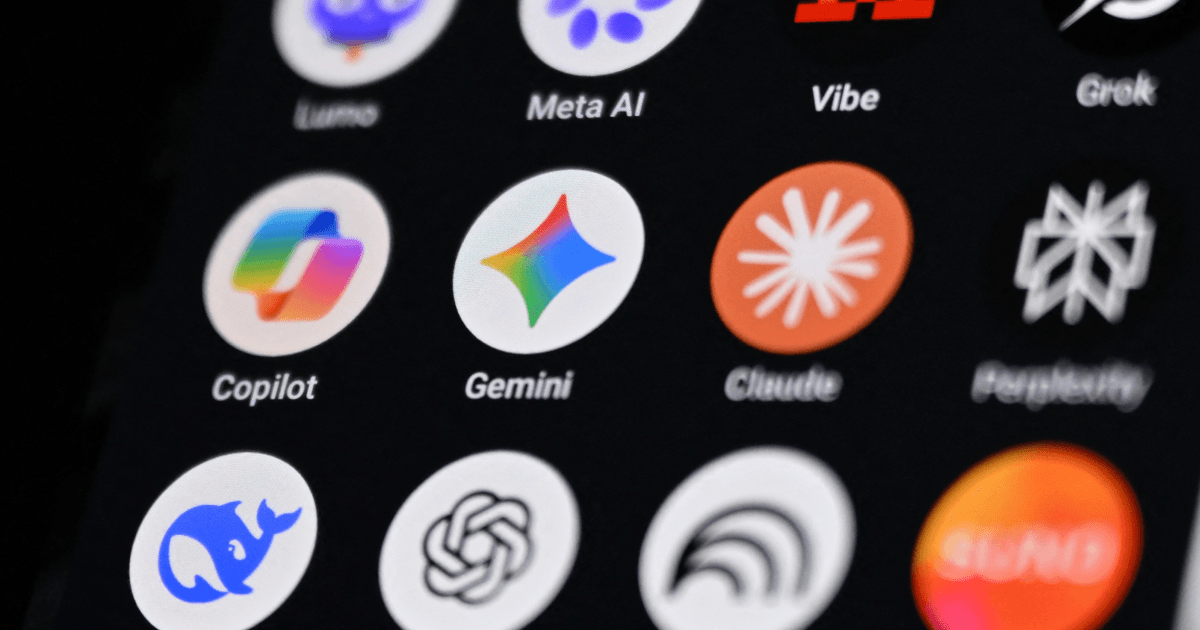
Pope Leo XIV’s warnings about artificial intelligence in his recent encyclical Magnifica Humanitas should not be dismissed by the technology industry and deserve serious consideration, the chief executive of an artificial intelligence company has argued.

The initial reaction to Magnifica Humanitas from technology industry leaders amounted to “a tepid acknowledgement, followed by an obligatory affirmation of ethical deployment of AI”, Patrick Gruhn wrote in an article published in The AI Journal.

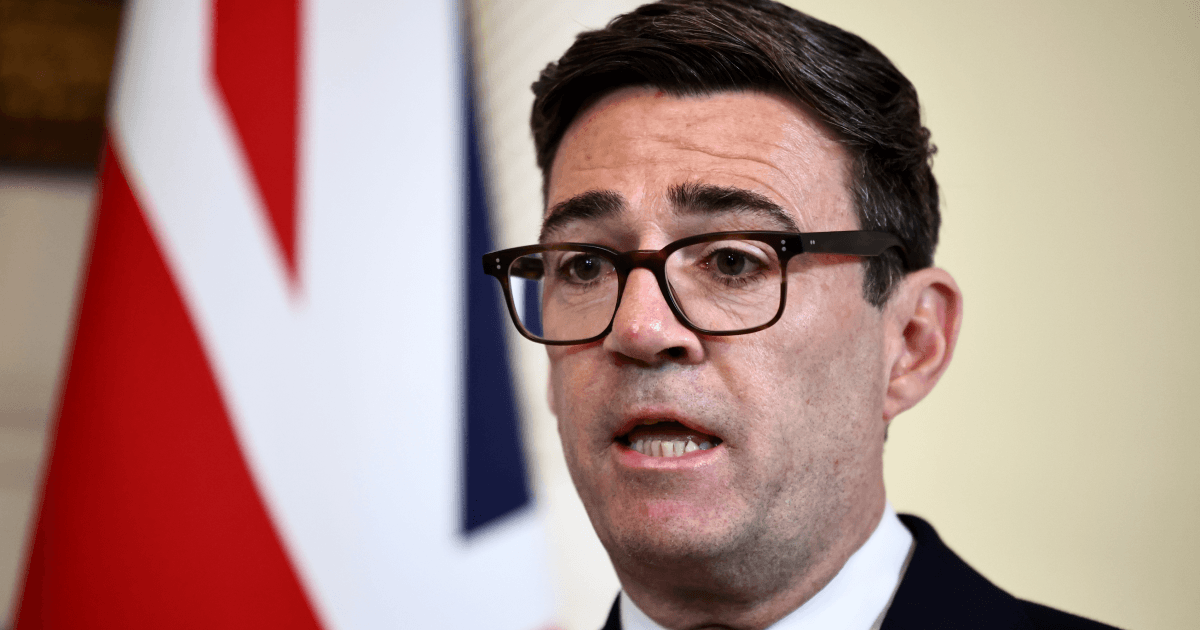
Gruhn is co-chief executive of Perpetuals and vice president of the Pope Benedict XVI Foundation. Perpetuals is a publicly traded artificial intelligence company. Gruhn is also an investor in the Catholic Herald.

This muted reaction from the technology industry, he argued, was “a major mistake and a missed opportunity”, because Magnifica Humanitas was “doing something unusual and important”.

In the past, papal encyclicals on major social questions, such as Rerum Novarum, were issued only after significant social change had already taken place, Gruhn wrote. By contrast, Pope Leo XIV was offering a warning before the full effects of artificial intelligence had been realised.

“Pope Leo XIV, who chose his papal name in homage to Leo XIII, has done the opposite. He is addressing AI now, while we are still early enough to shape it,” he said.

The timing of Magnifica Humanitas, published less than four years after the launch of ChatGPT and the beginning of the generative artificial intelligence boom, “is the most important thing about the document”, Gruhn said.

He continued: “AI is being adopted faster than any general-purpose technology in history. The window to influence how it gets deployed will close quickly.”

“Whether you read the Pope’s warnings as theology or as policy, the underlying claim is the same,” he said. “The choices being made by a handful of companies right now will determine whether the next decade looks more like broad-based productivity gains or creates an ever-widening sinkhole of global poverty.”

During the Industrial Revolution – when Rerum Novarum was published – Gruhn argued that increases in production were accompanied by growing poverty. Although industrialisation enabled the mass production of goods, he said, the transition from a largely agricultural workforce to factory employment “created an entirely new category of urban poor in the US”.

Artificial intelligence, he argued, “is on the same arc”. While people are increasingly able to accomplish tasks that previously required skilled professionals, “the displacement [of those jobs] will be real too, and pretending otherwise is the same posture that left the 19th-century working class to fend for itself”.

“Entire categories of work will change. Some jobs will disappear, many will be transformed, and new ones will emerge,” he said.

Pope Leo’s approach to artificial intelligence is important for business leaders, Gruhn argued. Generative artificial intelligence may itself be a neutral technology, but “good or bad outcomes are a function of how we choose to deploy it”.

“That sounds obvious. It is not how the industry behaves,” he said.

Instead, Gruhn argued, artificial intelligence should be used “to widen access” to information rather than to “extract” from it, and should not profit from consumer harm.

“It is possible,” he said, “to build a profitable AI company without designing the harm into it.”

Ethical product development is “a new concept for many tech companies”, Gruhn said, and is far more meaningful than “a one-off blog post” or “writing a guilt-induced check to an NGO”. In the field of artificial intelligence, “there is no equivalent of carbon emission offset credits” that companies can rely upon to ease their consciences, he argued.

“You either design the harm out of the product, or you don’t. That is the question this encyclical is putting to my industry and it’s one every tech CEO needs to answer.”

Continue reading with a free account

Create a free account to read up to five articles each month
Create free account

You have # free articles remaining this month.

Subscribe to get unlimited access.
Sign up

subscribe to the catholic herald today

Our best content is exclusively available to our subscribers. Subscribe today and gain instant access to expert analysis, in-depth articles, and thought-provoking insights—anytime, anywhere. Don’t miss out on the conversations that matter most.
Subscribe