

May 17, 2026

The Ascension is Christ’s enthronement

James Bradbury
More
Related
Min read
share

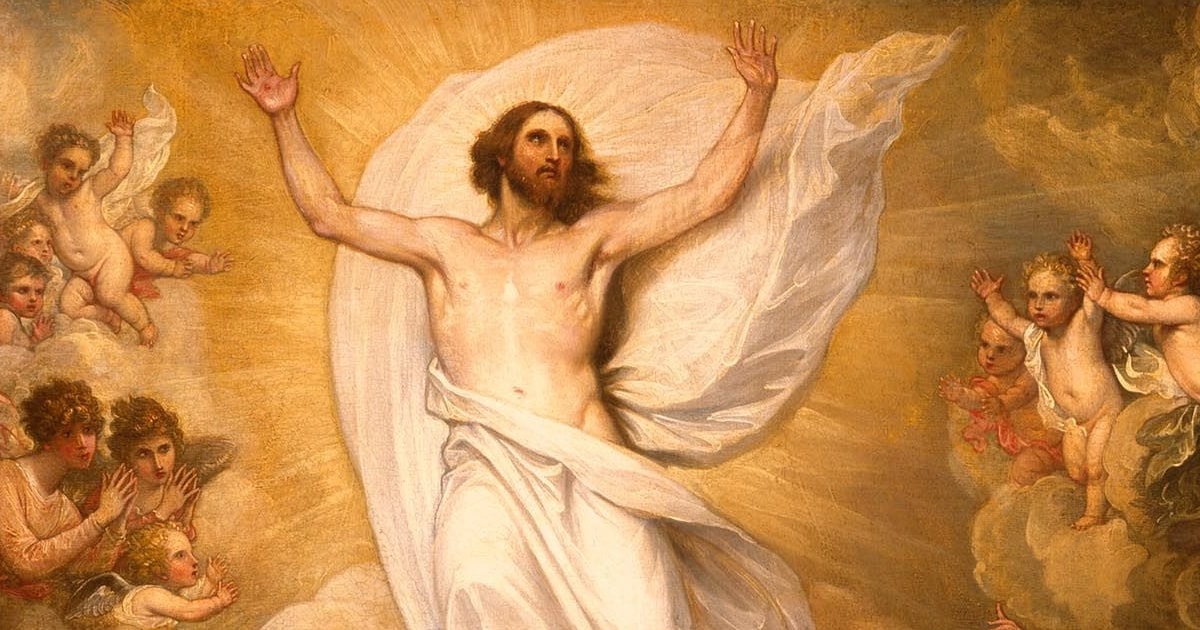
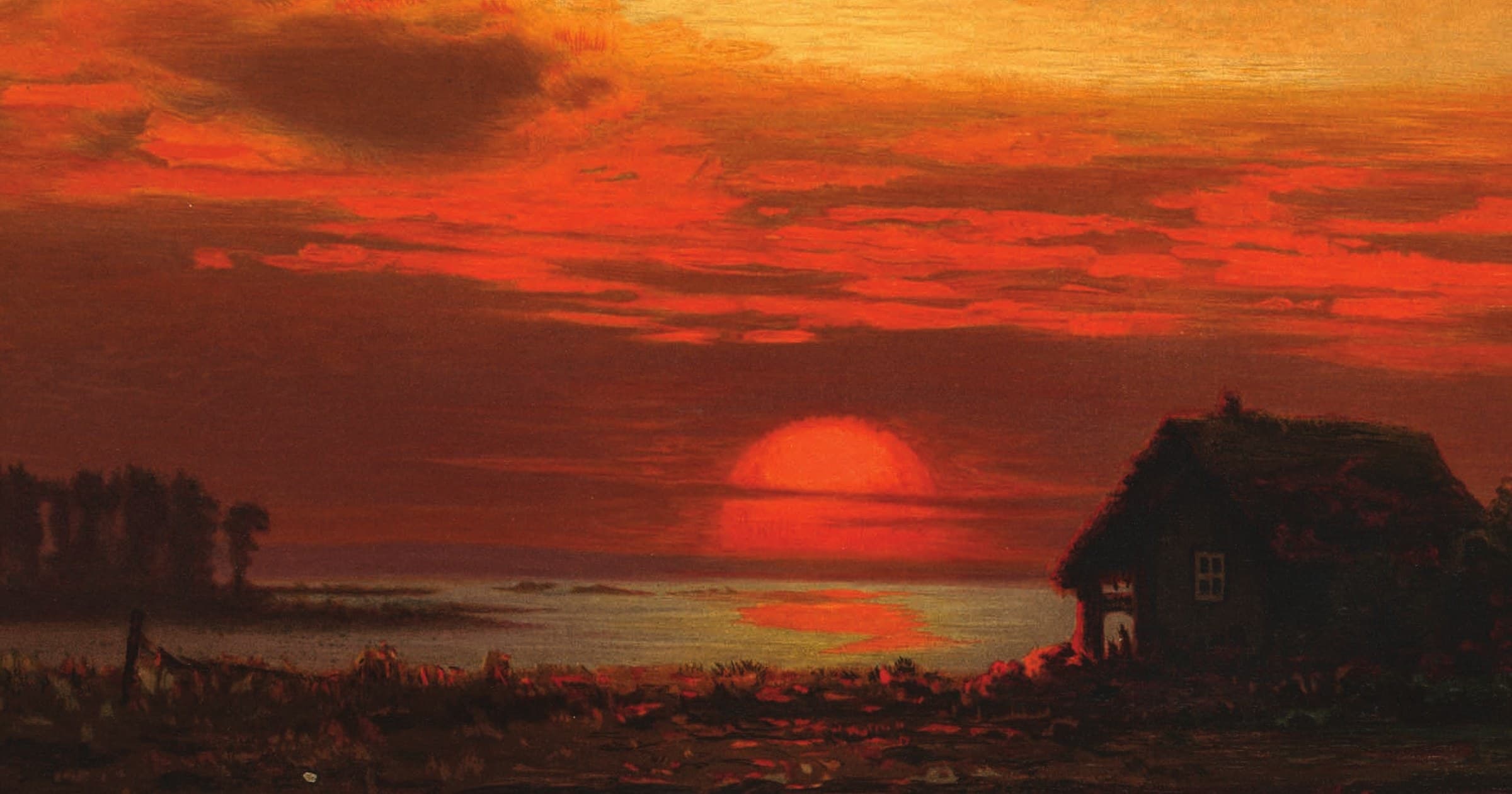
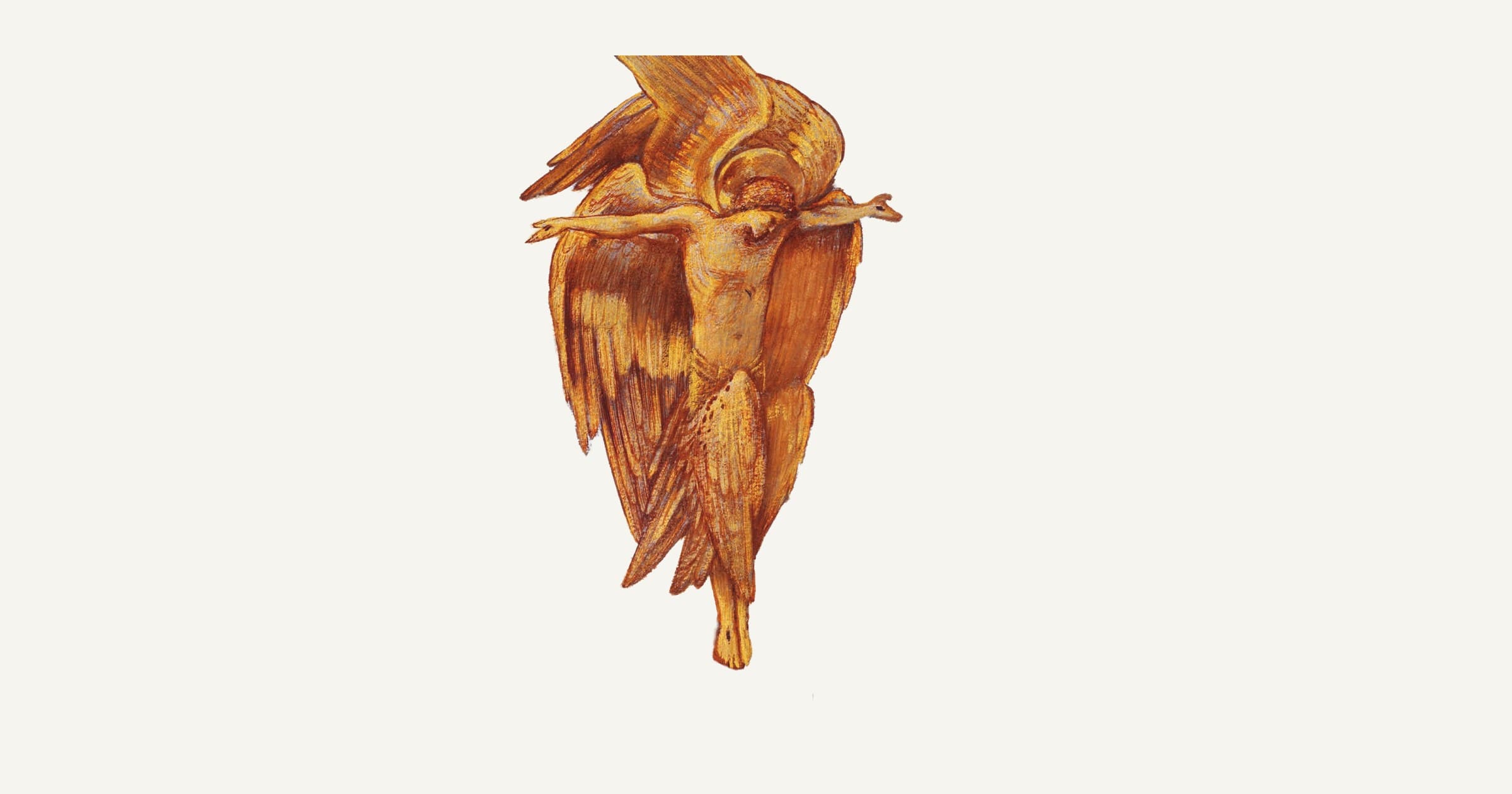
The Ascension of Our Lord is often imagined as a kind of departure. Christ has risen from the dead, appeared to His disciples, instructed them and then gone away into heaven. On this reading, the Church is left behind to remember Him, to imitate His moral example and to await His eventual return. But this is not the Catholic understanding of the mystery. The Ascension is not Christ’s retreat from the world, rather it is His enthronement over it.

When Our Lord ascends into heaven, He does not cease to act. He enters into His glory. He takes His seat at the right hand of the Father. His sacred humanity, once humbled in the manger, wearied on the roads of Galilee, scourged at the pillar and nailed to the Cross, is now exalted above every earthly power. The same Jesus who was mocked as “King of the Jews” is revealed as King of kings and Lord of lords. The Ascension is therefore not merely the final scene of Easter. It is a royal mystery.
This matters because modern man is tempted to make Christ small. He is treated as a private comfort, a moral teacher or a religious symbol for those who happen to find Him meaningful. His claims are tolerated so long as they remain inside the church building, inside the family home or inside the individual conscience. The modern world is often willing to allow a private Jesus. It is far less willing to acknowledge a reigning Christ.

But the Ascension contradicts this compromise. Christ does not ascend as one religious option among many. He ascends as the sovereign Lord of heaven and earth. Before sending His Apostles to teach all nations, He declares: “All power is given to me in heaven and in earth.” This is the foundation of the Church’s mission. The Apostles are not sent to offer a spiritual hobby. They are sent to proclaim a kingdom, to baptise, to teach and to command obedience to all that Christ has revealed.

A traditional Catholic understanding of the Ascension must therefore include the social kingship of Christ. If Christ is King, then His authority cannot be limited to the private soul. He has rights over the individual, certainly, but also over the family, the school, the culture, the law and the nation. No part of human life is outside His dominion. The same Lord who commands the conscience also judges societies. The same Christ who reigns in heaven must be confessed on earth.

This does not mean confusing the Church with a political party or reducing the Gospel to worldly power. Christ’s kingdom is not built by propaganda, violence or human calculation. His throne is the Cross before it is the heavenly seat of glory. His crown is first a crown of thorns. His power is sacrificial, holy and divine. Yet precisely because His kingdom is not from this world, it has authority over this world. It purifies what is earthly. It judges what is false. It calls every human institution to submit to the truth of God.

The idea of a religiously neutral society is one of the great illusions of modernity. No society is truly neutral. Every culture teaches some vision of man, some idea of good and evil, some account of what life is for. If Christ is excluded, something else will take His place. The state, the market, the autonomous individual, ideology, pleasure or power will become the practical god of public life. A nation that refuses to honour Christ does not become neutral. It becomes subject to lesser masters.

The Ascension also reveals the dignity of the Church. The Church is not a voluntary association of like-minded believers. She is the visible kingdom of the ascended Christ on earth. Through her teaching, He continues to instruct. Through her sacraments, He continues to sanctify. Through her authority, He continues to govern. Through her liturgy, earth is joined to heaven. The Church does not invent her mission; she receives it from her enthroned Lord.

For this reason, Catholic worship must be marked by reverence, solemnity and obedience. If the Mass is the sacrifice of the ascended King made present upon the altar, then worship cannot be casual or self-centred. It must form souls in humility before majesty. Traditional Catholic instinct understands this deeply. The sacred liturgy is not entertainment, nor a communal performance. It is the Church’s public homage to Christ the King, who reigns invisibly but truly.

Yet the Ascension is not only a doctrine about authority. It is also a doctrine of hope. Human nature, in Christ, has entered heaven. Our Lord has taken our flesh into glory. This means that the Catholic does not fight for Christ’s kingship as though the outcome were uncertain. Christ already reigns. The struggle is real, but the victory is His. The task of the faithful is not to manufacture His kingdom, but to bear witness to it, to live under His law and to call others to the obedience of faith.

This witness is needed urgently. A Catholic who accepts Christ privately but denies His claims publicly has misunderstood the Ascension. The Lord who reigns at the right hand of the Father is not content to be one compartment of life. He demands the whole heart, the whole household and the whole social order. He is not merely the consolation of believers. He is the judge of nations.

The Ascension, then, is a summons to recover courage. Catholics must not be ashamed of the public claims of Christ. We should not speak as though the faith were a private preference, or as though the world had the right to organise itself without reference to God. Christ has ascended, but He has not abandoned the earth. He reigns from heaven, acts through His Church and will return in glory.

To honour the Ascension is to confess this truth plainly: Jesus Christ is King. Not only of heaven. Not only of the sanctuary. Not only of private devotion. He is King of every soul, every family, every nation and all creation. He ascended not to be absent, but to reign.

Continue reading with a free account

Create a free account to read up to five articles each month
Create free account

You have # free articles remaining this month.

Subscribe to get unlimited access.
Sign up

subscribe to the catholic herald today

Our best content is exclusively available to our subscribers. Subscribe today and gain instant access to expert analysis, in-depth articles, and thought-provoking insights—anytime, anywhere. Don’t miss out on the conversations that matter most.
Subscribe