September 1, 2026

The bureaucracy loves synodality

James Bradbury
More
Related
Min read
share

Ask a Vatican official about synodality and you will get, at minimum, ten minutes of unbroken conviction: about listening, about the People of God walking together, about a Church that discerns rather than dictates. Ask a parishioner leaving 10am Mass the same question and you are more likely to get a shrug, or a faintly apologetic admission that they filled in a listening-exercise form three years ago and never heard what became of it.

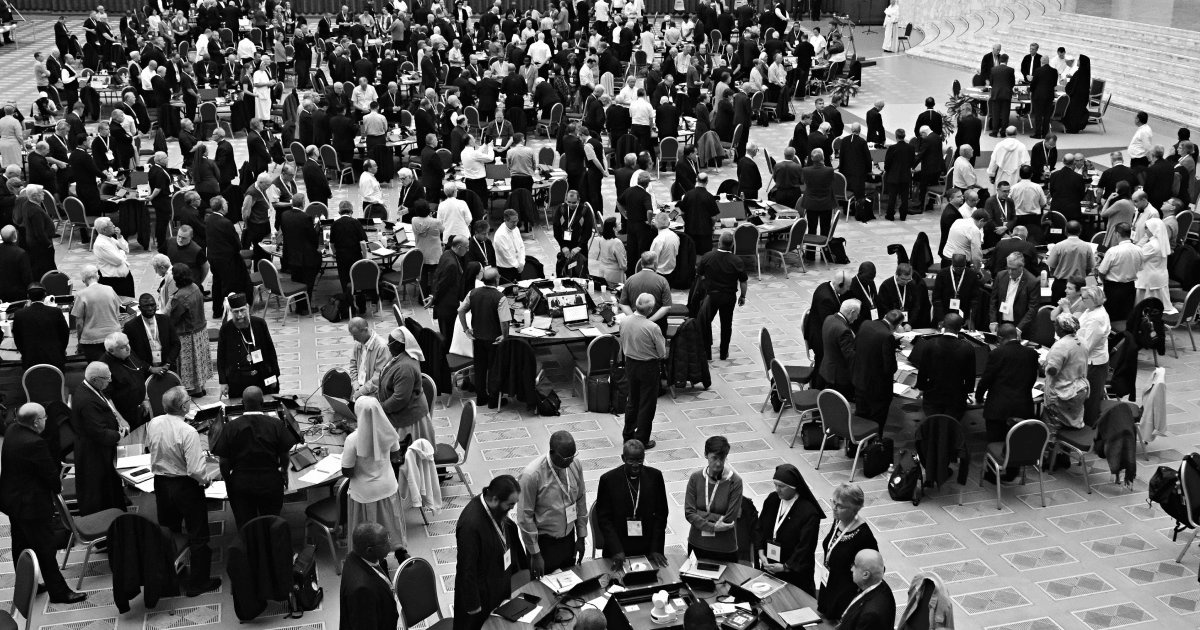
That gap is worth taking seriously, because it is not going away. The General Secretariat of the Synod has confirmed that the "implementation phase" set in motion by the 2024 Final Document will run all the way to an Ecclesial Assembly in October 2028, with dioceses and bishops' conferences invited to keep reporting back on the fruits of a process that officially concluded four years earlier. Synodality, in other words, has stopped being an event and become a permanent feature of Church administration. What began in 2021 as a "three-year process of listening and dialogue" has quietly become a standing structure with its own secretariat, its own calendar and, inevitably, its own bureaucratic momentum.
Being charitable, none of this is overly sinister. The Final Document itself was, on a fair reading, a moderate piece of work. Proposals for opening the diaconate to women or relaxing priestly celibacy (the changes that generated most of the pre-synod coverage) were quietly dropped. What survived was more modest (and thankfully orthodox): encouragement towards parish and diocesan pastoral councils, a "ministry of listening and accompaniment" that dioceses may adopt if they choose, and a reaffirmation, buried in paragraph 92, that a bishop's authority "in regard to decision-taking is inviolable". Read closely, the document is less a revolution than a piece of careful curial choreography: real gestures towards lay involvement, hedged everywhere by the Church's existing hierarchical structure.

But curial choreography is exactly the problem, if what you wanted was a living relationship between Rome and the parish. Four years, thousands of amendments and a 1,135-strong pile of submissions produced a text that, outside the offices that drafted it, generated remarkably little response. That is not a partisan verdict from trads or progressives disappointed by the outcome; it is simply what happens when a consultative exercise runs long enough to outlast the goodwill that started it. The Final Document itself was candid enough to admit as much, acknowledging "fatigue, resistance to change, and the temptation to let our own ideas prevail over listening" among the delegates themselves. A striking admission from the document's authors before it has even reached the parish hall.

Cardinal Willem Eijk's recent pointed criticism of the Synod's doctrinal conclusions is one sign that the unease has moved beyond the pews and into the College of Cardinals. But the more telling sign is duller and more widespread: the sheer difficulty, across ordinary parishes, of getting anyone to turn up. Listening exercises depend on people believing they will be heard, and heard reasonably promptly, by someone with the authority to act. A process that stretches from 2021 to 2028, generating documents that circle back to reaffirm existing hierarchy, does not obviously meet that test. Enthusiasm is a perishable resource. Rome has spent a good deal of it.

None of this means synodality was a mistake in principle. The instinct behind the process: that the laity have something to say, and that clergy sometimes need reminding of it, is sound. If only the laity were listened to a little more regarding access to the Traditional Latin Mass. But I digress. The trouble is one of proportion and pacing. A diocese does not need a seven-year, multi-tier bureaucratic apparatus to discover that parishioners would like better catechesis, more confession times and a priest who returns calls. It simply needs a parish priest willing to ask, and act.

There is a lesson here that has nothing to do with theology and everything to do with institutional common sense: consultation that never concludes stops being consultation and starts being process for its own sake. If the Vatican wants the next stage of synodality to mean anything at parish level, the most persuasive thing it could do is finish something: deliver a concrete change, visibly traceable to what people said, well before 2028. Absent that, the machinery will keep turning long after the audience has gone home.

Continue reading with a free account

Create a free account to read up to five articles each month
Create free account

You have # free articles remaining this month.

Subscribe to get unlimited access.
Sign up

subscribe to the catholic herald today

Our best content is exclusively available to our subscribers. Subscribe today and gain instant access to expert analysis, in-depth articles, and thought-provoking insights—anytime, anywhere. Don’t miss out on the conversations that matter most.
Subscribe