
May 24, 2026

The charismatic movement: the good, the bad and the ugly

Fr Dwight Longenecker
More
Related
Min read
share

Growing up in an Evangelical Protestant environment in the USA in the 1970s, my first encounter with the charismatic movement was the television evangelists who yelled and sweated and promised healing if only their viewers would place the affected part of their body on the TV set and send the preacher twenty dollars. It was not a promising start.

Later on I learned about classic Pentecostal churches where the faithful would speak in tongues and be ‘slain in the Spirit’ – passing out when the preacher laid hands on them or just tapped them on the forehead. I also learned about the snake handlers in Appalachia who (in literal obedience to Mark 16:18) would go into a trance and pass live rattlesnakes around the congregation. Things were now in the ‘ugly’ category.
Later on I met some Anglicans and Catholics from the charismatic movement who evidenced authentic holiness, a genuine prayer life and Christ-like charity – so there was the good as well as the bad and the ugly.

The American Pentecostal movement got its start in 1906 when William J. Seymour – a one-eyed son of former slaves – started a church in a derelict stable on Azusa Street in Los Angeles. Services at the makeshift church on Azusa Street ran non-stop for years. There was no formal liturgy, preaching or choir. Instead there was spontaneous singing, prophecy, personal testimonies, prayer, speaking in tongues (glossolalia), interpretation, healing and falling under the power of the Spirit. People reported deep joy, heavenly singing and miracles.

Over the next fifty years the movement exploded as visitors to the Azusa Street church from around the world received the ‘gifts of the Holy Spirit’ and took them home and shared them. New denominations like the Church of God in Christ and the Assemblies of God were established. Bible schools and missionary training academies started up and by the 1950s travelling evangelists had caught the fire and were conducting huge campaigns with the ‘gifts of the Spirit’ – prophecy, healing, glossolalia and trances – on display.

The movement began to go mainstream in the 1960s when Episcopal priest Dennis Bennett in California and Church of England minister Michael Harper in the UK introduced charismatic worship into their churches. From Anglicanism it spread to Lutheran, Methodist and other mainstream Protestant denominations.

By the time I was training for ministry in the Evangelical wing of the Church of England in the early 1980s, the charismatic renewal was a vital part of Evangelical Anglican worship, and once I was ordained and serving as a curate in East Sussex I realised that the charismatic movement had also touched Anglo-Catholicism.

An Anglo-Catholic priest in the town where I served was well known for his ‘gifts of the Spirit’ that seemed to be integrated with his own unique psychic gifts: he reported numerous cases of healing, visions of the deceased, gifts of knowledge and ‘reading souls’. The problem was he was also known as a manipulative abuser of young men and finally abandoned his ministry (and his wife) for his boyfriend.

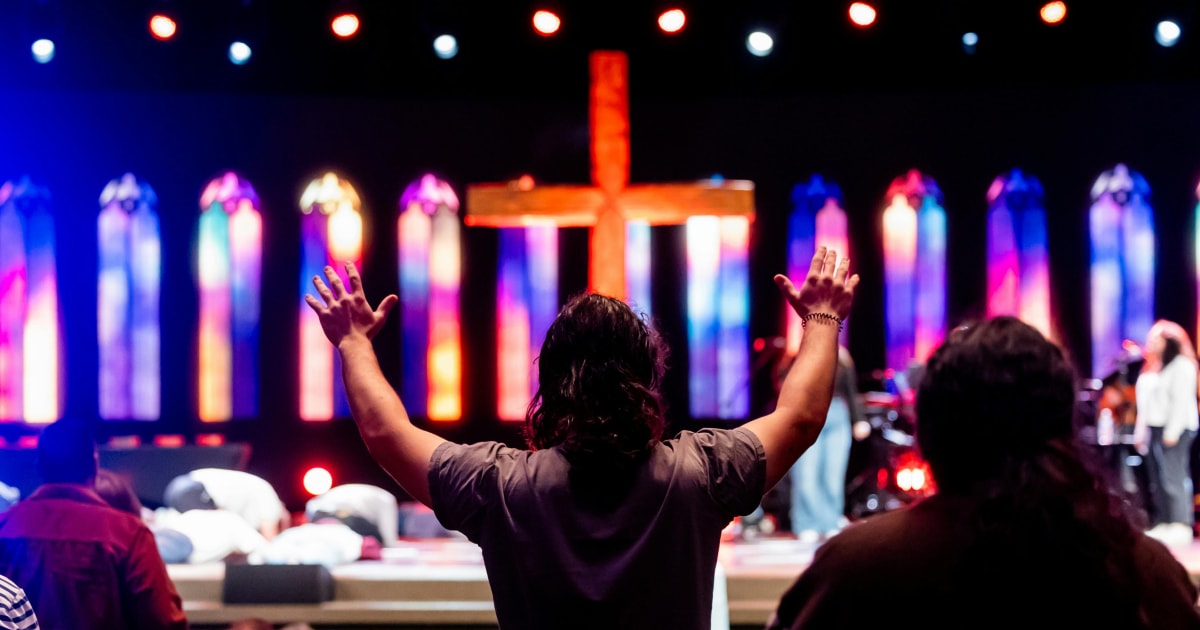
On the personal and international level the charismatic movement evidenced the good, but also the bad and the ugly – sometimes shockingly so. Not only were there regular reports of spiritual, psychological and sexual abuse, but there were also disturbing manifestations like the ‘Toronto Blessing’, which burst forth from the Vineyard Airport Church in Toronto. During charismatic services worshippers would weep or laugh uncontrollably, jerk and shake in uncontrollable spasms, and bark, howl and roar while on all fours like animals.

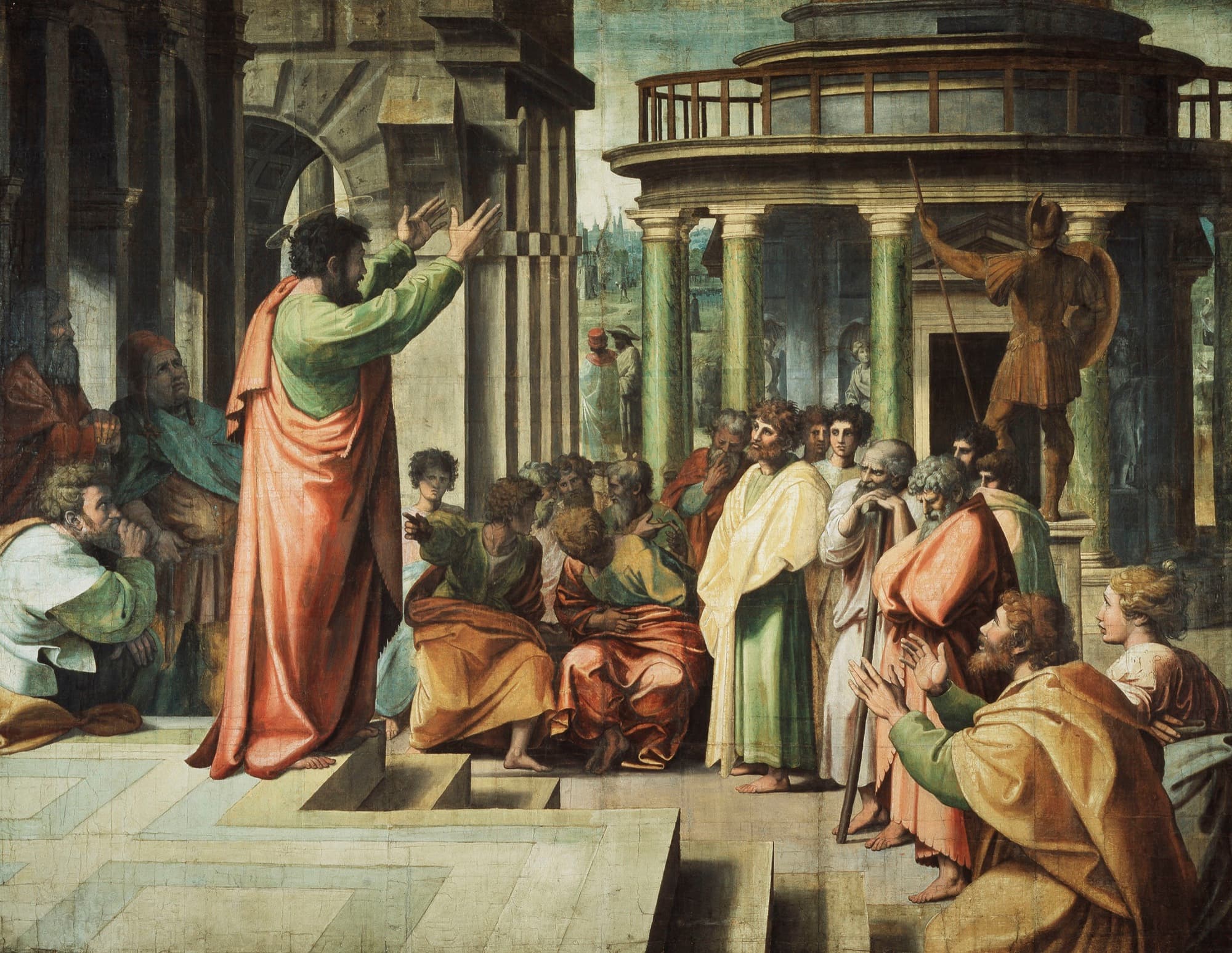
Extraordinary manifestations of seemingly supernatural gifts were nothing new. Indeed, the Pentecostal churches traced their roots to the day of Pentecost itself where the Holy Spirit manifested in tongues of fire, speaking in tongues and powerful conversions. The rest of the New Testament makes it clear that the gifts of the Spirit continued to be manifested through the Apostolic age.

In the early second century in Phrygia in Asia Minor, a preacher named Montanus, along with two prophetesses, Priscilla and Maximilla, claimed the Holy Spirit was speaking directly and freshly through them. They fell into ecstatic trances combined with bizarre behaviour, new revelations and calls for rigorous holiness and asceticism. They emphasised imminent end-times, a millennial kingdom that would appear in Phrygia and spiritual gifts available to all believers as a higher ‘age of the Spirit’.

As the early Church matured she condemned Montanism as a heresy and a liturgical, creedal, apostolic, Scriptural and hierarchical Christianity prevailed.

Charismatic-type manifestations, however, continued to emerge in sects throughout Church history. In the thirteenth and fourteenth centuries the Brethren of the Free Spirit, the Spiritual Franciscans, the Beguines and Beghards all reported personal mystical experiences, often including prophecies, glossolalia, personal revelations and end-times fervour.

After the Reformation, charismatic manifestations occurred among the Anabaptists, Quakers and Shakers. In France, the Cévennes Prophets, or Camisards, were Huguenot proto-charismatics, and among Catholics, the Jansenists reported convulsions, trance states, healings and visions. In London in the 1830s the Irvingites also spoke in tongues, prophesied and reported healings and visions.

Down through the ages the Catholic Church has taken a mixed reaction. On the one hand, in the Middle Ages supernatural signs and wonders were accepted – even expected – as signs of sanctity. On the other hand, if the purveyors of mystical phenomena developed into a sect, Church authorities judged against them and closed them down.

Ever since the Montanists the charismatic movement has been the expression of that unpredictable aspect of religious experience – the prophetic versus the priestly, the personal versus the communal, the mystical versus the liturgical. While it is disturbing to those who prefer their religion restrained and contained, it is a reminder that religion, by its definition, is man’s encounter with the ineffable, the unpredictable and the supernatural.

Four years after the revival at Azusa Street broke out, William James published his classic Varieties of Religious Experience. In the book James defines four key traits of religious experiences that typify the experiences in the charismatic movement.

First, ineffability: the experience defies description, an immediate and intense personal immersion in the ineffable. Next, noetic quality: it conveys a sense of profound, personally received knowledge, insight or revelation. Third, transiency: it is short-lived yet powerful. Finally, passivity: the individual feels his or her will to be subsumed by a higher power.

Without doubt individuals have had profound, often life-changing religious experiences, but what shall we make of them? Are mystical experiences always the gift of the Holy Spirit – the third person of the Holy and Undivided Trinity?

As an ultimate response to such phenomena I’m reminded of a story about St Thomas Aquinas. A nun in a local convent was reported to be going into a mystical trance and levitating during prayer.

The novices urged St Thomas to go with them to witness this prodigy, but he resisted. Finally he consented to go with them, and behold, the nun was indeed floating upward.

The novices were eager to hear the Angelic Doctor’s learned opinion, but looking upward he replied, ‘I didn’t know nuns wore such big boots.’

Supernatural wonders (as I learned from the Anglo-Catholic priest) are not a guarantee of holiness. Nor are they necessarily a gift of the Holy Spirit. I believe, instead, that they are simply a natural human capability because the same manifestations occur in many world religions. Trances, glossolalia, fainting, spells of alternative consciousness, healing and all the other gifts attributed to God’s Holy Spirit occur within human religious experience everywhere and in every time period.

Rather than concluding that they are gifts of the Holy Spirit it would be more accurate to see them as natural human gifts which, in the context of Christian prayer and worship, can be used by the Holy Spirit to bring the soul into a deeper relationship with God.

The Catholic Church teaches that the gifts of the Spirit are indeed supernatural but (like the levitating nun’s boots) they are more down to earth. The gifts of the Spirit imparted through the sacrament of Confirmation are manifested as wisdom, understanding, counsel, fortitude, knowledge, piety and fear of the Lord.

Fr Dwight Longenecker’s autobiography, There and Back Again: A Somewhat Religious Odyssey, tracks his journey from Evangelicalism to the Church of England, Catholicism and finally the Catholic priesthood. It is published by Ignatius Press.

Continue reading with a free account

Create a free account to read up to five articles each month
Create free account

You have # free articles remaining this month.

Subscribe to get unlimited access.
Sign up

subscribe to the catholic herald today

Our best content is exclusively available to our subscribers. Subscribe today and gain instant access to expert analysis, in-depth articles, and thought-provoking insights—anytime, anywhere. Don’t miss out on the conversations that matter most.
Subscribe