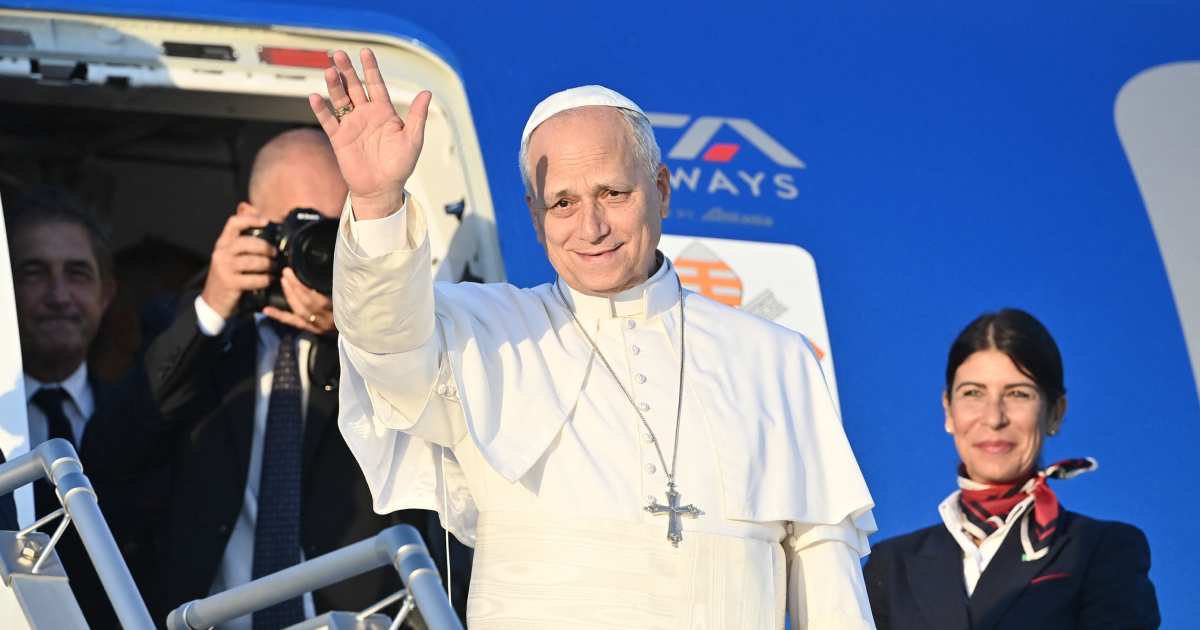


A number of political and ecclesial figures across the international stage responded to President Donald Trump’s attack on Pope Leo XIV.
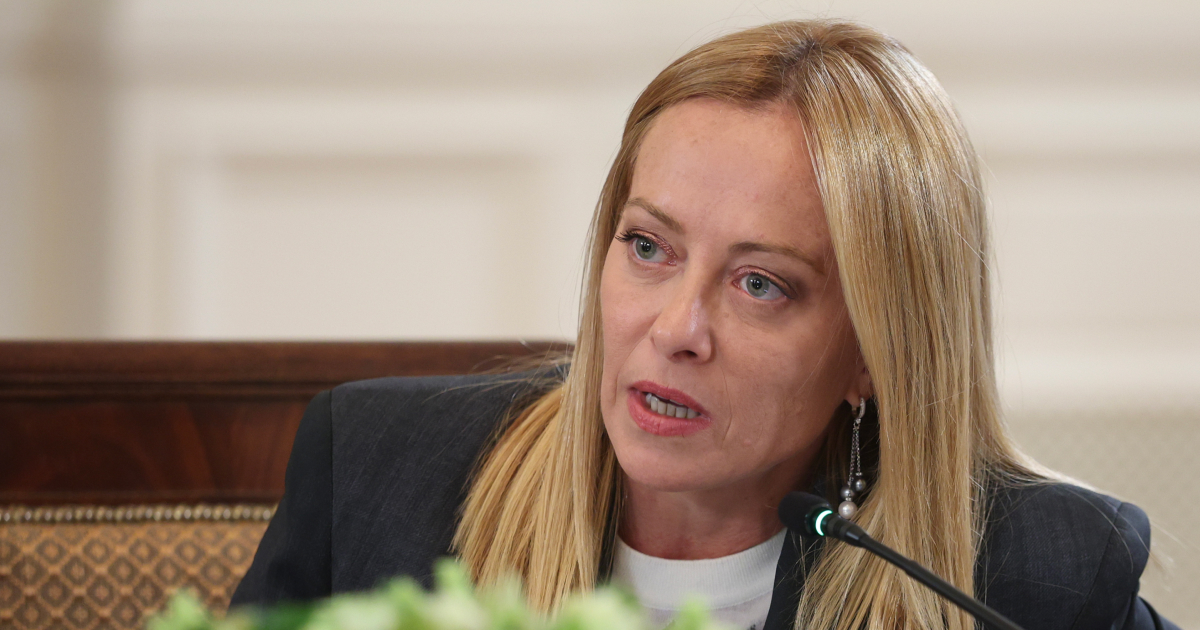
Prime Minister Meloni of Italy, a practising Catholic who has positioned herself as an ally of Trump, described the comments as “unacceptable”. She continued: “The Pope is the head of the Catholic Church, and it is right and normal for him to call for peace and to condemn every form of war.”
Matteo Salvini, leader of the League party and a coalition partner, distanced himself from the tone of the remarks, saying that “attacking the Pope … doesn’t seem like a useful or intelligent thing to do”.
In Italy, opposition figures also moved quickly to criticise Donald Trump, framing the episode as a matter of national and institutional concern. Elly Schlein, secretary of the Democratic Party, described the attacks as “extremely serious, unacceptable, and [having] opened an unprecedented conflict”.
Similar language was used by former Prime Minister Matteo Renzi, who characterised the remarks as a “blatant act of aggression against the Roman Pontiff” without precedent in modern times.
At a civic level, Roberto Gualtieri, Mayor of Rome, issued a statement on behalf of the capital, reaffirming the city’s support for Pope Leo XIV. He said that Trump’s attacks on the Pope’s “elevated spiritual magisterium” and his commitment to peace were “unacceptable and wound sensitivities and consciences,” adding that Rome “firmly reaffirms the values of respect, dialogue, and peace”.
Within the Italian Church, the reaction was direct. Cardinal Matteo Zuppi, Archbishop of Bologna and President of the Italian Bishops’ Conference, expressed “regret” over the episode and reiterated the episcopate’s support for the Holy Father. Cardinal Zuppi, who has previously served as a papal envoy for peace initiatives, emphasised the non-political nature of the pontiff’s mission. The Pope, he said, “is not a political counterpart, but the Successor of Peter, called to serve the Gospel, truth, and peace,” particularly at a time marked by ongoing international conflict.
Elsewhere in Europe, political leaders aligned themselves more explicitly with the Pope’s stance. Spain’s Prime Minister Pedro Sánchez praised Leo XIV’s efforts, contrasting them with what he described as the conduct of others on the global stage. “While some sow the world with wars, Leo XIV sows peace, with bravery and courage,” he said, adding that it would be an “honour” to welcome the pontiff to Spain in the near future.
Beyond Europe, the controversy drew a response from Iran, where President Masoud Pezeshkian issued a strongly worded condemnation. Speaking on behalf of the Islamic Republic, he criticised the tone of Trump’s comments and also referred to the image posted by Trump depicting himself as Jesus Christ. “The desecration of Jesus (peace be upon him), the Prophet of peace and brotherhood, is unacceptable to any free person,” he said.
Inside the Vatican, the reaction has been measured but pointed. Fr Antonio Spadaro, undersecretary of the Dicastery for Culture and Education and a prominent Jesuit commentator, characterised the remarks as indicative of deeper tensions between political authority and moral critique. He described the attack as “a declaration of impotence”, suggesting that it revealed unease in the face of a voice that cannot be easily constrained. Political power, he said, was “lashing out against a moral voice” because it “cannot contain it.”