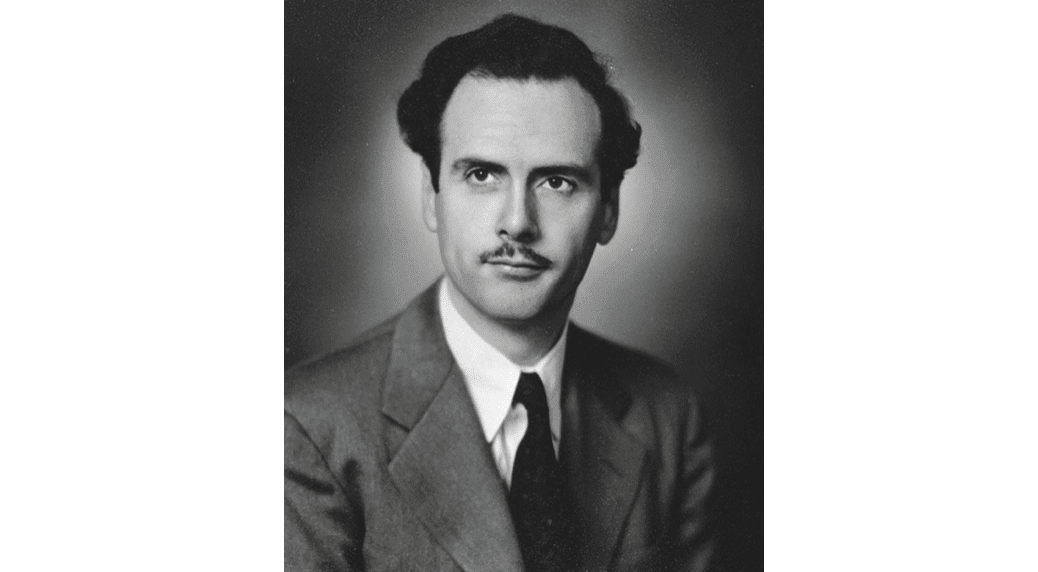






‘I have never been an optimist or a pessimist. I’m an apocalyptic only,” Marshall McLuhan said during a 1977 interview. “Apocalypse is not gloom,” he added. “It’s salvation.” If we embrace the religious import of McLuhan as electronic prophet, then his cataclysmic tone feels not only appropriate but necessary. Prophets see, they beckon, they disrupt. For McLuhan, prophecy existed in a tradition that led to the end of all things through the parousia – a world made utterly, divinely new.
McLuhan, the pop culture sage of the electronic world, was a Catholic convert. The entertainment, media and academic worlds of his heyday had good reason to miss the Christian foundations of his theories, for McLuhan made subtle his overtly religious sense. McLuhan’s Christian belief and worldview were no mere biographical footnote; they offer him pliable metaphors for the intersection of the material and the spiritual, they engendered him with the confidence and determination of a religious adherent, and they compelled him to react to the rapidly changing electronic world around him. Any honest and thorough analysis of McLuhan’s paradigm-changing views must not merely begin with these religious considerations but must also examine how his belief sustained the development and dissemination of these theories. McLuhan’s vocation was to understand how the environments created by media shape our perception of the world.