February 12, 2026

The morality of dressing well

Harry Mount
More
Related
Min read
share

What should you wear at Christmas parties? And how should you look presentable without looking vain?

I stumbled upon the answer at the inaugural Idler of the Year Awards, recently held by the Idler magazine in Pushkin House, a charming, 18th-century building in Bloomsbury.

The Idler celebrates not so much lethargy as the need to turn away from dreary work to worthwhile pursuits, both professional and amateur. And the winner of the Idler Award this year was Brett Anderson, the lead singer of Suede (a very successful pop group, m’lud). He’d won the prize for the relaxed title of his memoirs – Afternoons with the Blinds Drawn – and his song, Lazy.

His acceptance speech, too, was heroically laid back. He’d been asked that morning by a friend how that speech was coming along. “ ‘Embryonic,’ was my reply,” Brett said. “And it has stayed in pretty much that state till now, which I think is in the spirit of this award.”

In his appearance, Anderson was distinctly unlazy, though. He’d gone to real trouble; so much trouble that I was staggered by how well-dressed he was.

He didn’t display the vanity of the pop star but the dignity of someone politely acknowledging the generosity of his hosts by dressing up to accept an award: a dark suit and white shirt.

It helped that Anderson, 52, is slim, good-looking and a pop star. But even the older people in the room, who had no clue who he was, were impressed by his mien.

One other guest asked me who Anderson was, before saying: “I’d spotted him before the speech. He clearly wasn’t a journalist.” This guest then pointed to the rest of the room. I can’t speak for the other men there. But I was dressed in an ill-fitting, bulging jacket that made me feel like a blundering heffalump compared to Anderson the gazelle.

Anderson illustrated the truth that, when it comes to male dress, less is more. What could be simpler and plainer than a dark suit and a white shirt?

But this was no ordinary dark suit – it had clearly been extremely well-tailored. It is serendipitous that we talk about “cutting” a suit. The best suits do cut away any extraneous bagginess and fripperies to flatter an elegant form like Anderson’s; they also edit out the unwelcome repositories of fat on the larger gentleman.

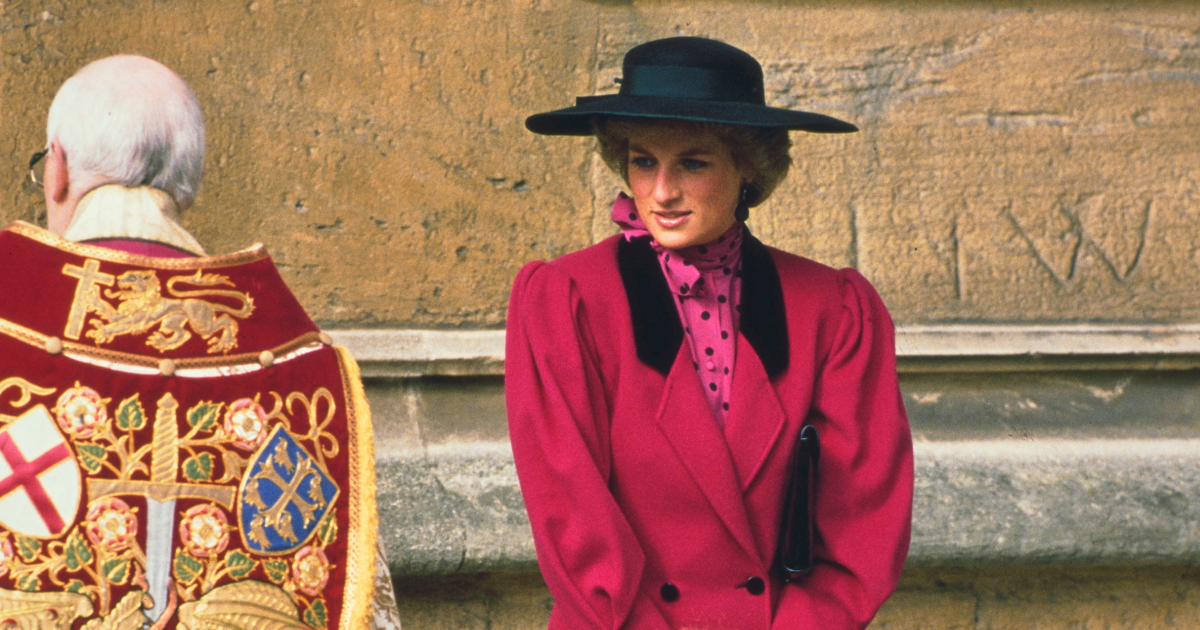
The same less-is-more principle applies to the clergy. A simply dressed priest, in a black suit and white shirt, looks much more dignified than show-off bishops, donning rainbow-coloured vestments to show off their supposed inclusiveness and progressiveness – when, in fact, they are really drawing attention to themselves.

There is a morality in dressing well. Anderson’s suit showed the distinction between the vanity of those peacock-like clothes and the politeness to others that goes with dressing respectably – as well as the self-respect that goes with good dress.

Consciously scruffy clothes – particularly at formal occasions or prize-givings like this one – are just another form of vanity, particularly when other guests have made an effort. That sort of untidiness screams, “I’m not conventional like you. The rules don’t apply to me.”

I’m not for a moment suggesting we should bring back the sumptuary laws of the Middle Ages (that lasted into the 17th century).

Those laws acted as appallingly snobbish, intrusive restrictions to cut imports of foreign cloth and to keep people in their place. In 1574, Elizabeth I issued a statue, declaring: “A great number of young gentlemen, allured by the vain show of those things, do not only consume themselves, their goods, and lands which their parents left unto them, but also run into such debts.”

Among Elizabeth’s attempts to boost national wool production was a 1571 Act declaring that everyone, except the aristocracy and distinguished people, must wear woollen flat caps – now, incidentally, very popular in the light of the marvellous Peaky Blinders series. “Peaky Blinders’’ was the real name of a Birmingham gang in the early 20th century who, according to legend, stuffed razor blades in the peaks of their flat caps to use as weapons.

Monarchs and governments shouldn’t tell us what to wear, of course. But we should lay down our own little private law for ourselves only: to dress well, without showiness. (I’m talking only about men – women can look fantastic at top showiness levels.)

At Christmas, we should dress well but conservatively, out of respect for others and ourselves. My New Year’s Resolution is to dress more like Brett Anderson and less like a scruffy old hack.

And so, as Tiny Tim nearly said, a Merry Christmas to us all; God bless us, every one – particularly if we’re respectably dressed.

Harry Mount is editor of the Oldie 

What should you wear at Christmas parties? And how should you look presentable without looking vain?

I stumbled upon the answer at the inaugural Idler of the Year Awards, recently held by the Idler magazine in Pushkin House, a charming, 18th-century building in Bloomsbury.

The Idler celebrates not so much lethargy as the need to turn away from dreary work to worthwhile pursuits, both professional and amateur. And the winner of the Idler Award this year was Brett Anderson, the lead singer of Suede (a very successful pop group, m’lud). He’d won the prize for the relaxed title of his memoirs – Afternoons with the Blinds Drawn – and his song, Lazy.

His acceptance speech, too, was heroically laid back. He’d been asked that morning by a friend how that speech was coming along. “ ‘Embryonic,’ was my reply,” Brett said. “And it has stayed in pretty much that state till now, which I think is in the spirit of this award.”

In his appearance, Anderson was distinctly unlazy, though. He’d gone to real trouble; so much trouble that I was staggered by how well-dressed he was.

He didn’t display the vanity of the pop star but the dignity of someone politely acknowledging the generosity of his hosts by dressing up to accept an award: a dark suit and white shirt.

It helped that Anderson, 52, is slim, good-looking and a pop star. But even the older people in the room, who had no clue who he was, were impressed by his mien.

One other guest asked me who Anderson was, before saying: “I’d spotted him before the speech. He clearly wasn’t a journalist.” This guest then pointed to the rest of the room. I can’t speak for the other men there. But I was dressed in an ill-fitting, bulging jacket that made me feel like a blundering heffalump compared to Anderson the gazelle.

Anderson illustrated the truth that, when it comes to male dress, less is more. What could be simpler and plainer than a dark suit and a white shirt?

But this was no ordinary dark suit – it had clearly been extremely well-tailored. It is serendipitous that we talk about “cutting” a suit. The best suits do cut away any extraneous bagginess and fripperies to flatter an elegant form like Anderson’s; they also edit out the unwelcome repositories of fat on the larger gentleman.

The same less-is-more principle applies to the clergy. A simply dressed priest, in a black suit and white shirt, looks much more dignified than show-off bishops, donning rainbow-coloured vestments to show off their supposed inclusiveness and progressiveness – when, in fact, they are really drawing attention to themselves.

There is a morality in dressing well. Anderson’s suit showed the distinction between the vanity of those peacock-like clothes and the politeness to others that goes with dressing respectably – as well as the self-respect that goes with good dress.

Consciously scruffy clothes – particularly at formal occasions or prize-givings like this one – are just another form of vanity, particularly when other guests have made an effort. That sort of untidiness screams, “I’m not conventional like you. The rules don’t apply to me.”

I’m not for a moment suggesting we should bring back the sumptuary laws of the Middle Ages (that lasted into the 17th century).

Those laws acted as appallingly snobbish, intrusive restrictions to cut imports of foreign cloth and to keep people in their place. In 1574, Elizabeth I issued a statue, declaring: “A great number of young gentlemen, allured by the vain show of those things, do not only consume themselves, their goods, and lands which their parents left unto them, but also run into such debts.”

Among Elizabeth’s attempts to boost national wool production was a 1571 Act declaring that everyone, except the aristocracy and distinguished people, must wear woollen flat caps – now, incidentally, very popular in the light of the marvellous Peaky Blinders series. “Peaky Blinders’’ was the real name of a Birmingham gang in the early 20th century who, according to legend, stuffed razor blades in the peaks of their flat caps to use as weapons.

Monarchs and governments shouldn’t tell us what to wear, of course. But we should lay down our own little private law for ourselves only: to dress well, without showiness. (I’m talking only about men – women can look fantastic at top showiness levels.)

At Christmas, we should dress well but conservatively, out of respect for others and ourselves. My New Year’s Resolution is to dress more like Brett Anderson and less like a scruffy old hack.

And so, as Tiny Tim nearly said, a Merry Christmas to us all; God bless us, every one – particularly if we’re respectably dressed.

Harry Mount is editor of the Oldie 
subscribe to
the catholic herald

Continue reading your article with a subscription.
Read 5 articles with our free plan.
Subscribe

subscribe to the catholic herald today

Our best content is exclusively available to our subscribers. Subscribe today and gain instant access to expert analysis, in-depth articles, and thought-provoking insights—anytime, anywhere. Don’t miss out on the conversations that matter most.
Subscribe