

February 15, 2026

Bishop Eleganti warns SSPX consecrations without papal mandate would be ‘schismatic act’

The Catholic Herald
More
Related
Min read
share

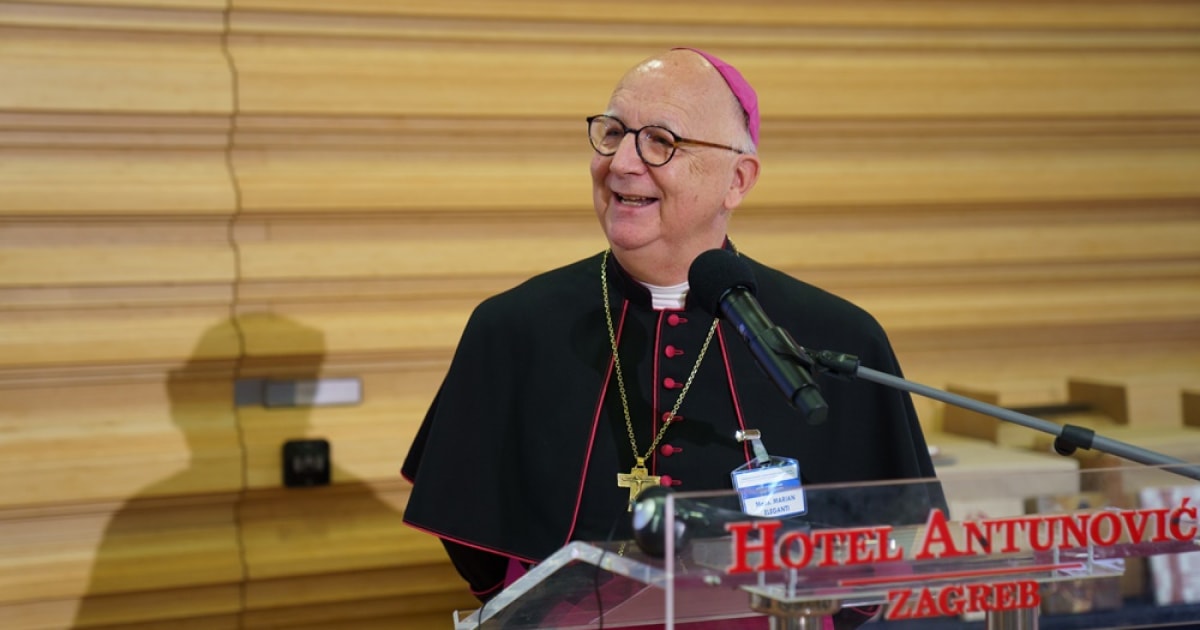
Bishop Marian Eleganti has said that any episcopal consecrations carried out by the Society of St Pius X without a papal mandate would constitute “a schismatic act”, insisting that visible and canonical unity with the Pope is inseparable from being part of the Church.

In two statements published on the auxiliary bishop emeritus of Chur’s personal blog, the Swiss prelate set out in detail why he believes the Society’s planned consecrations on 1 July would amount to a rupture with Rome.

In his latest blog post, dated 10 February and titled “And yet it remains a schism”, Bishop Eleganti cited Canon 1382 of the Code of Canon Law, which provides that “a bishop who consecrates someone as bishop without papal mandate, and likewise anyone who receives consecration from him, incurs excommunication as a penalty reserved to the Apostolic See”. He also referred to Canon 1013, which states that “no bishop is permitted to ordain someone as a bishop unless” the papal mandate has been issued.
“The mandate for episcopal consecration must undoubtedly originate from the Pope,” he wrote, adding that anyone who knowingly proceeds without such an appointment “fulfils the elements of schism”. He described such a step as “a refusal to submit to the Pope’s jurisdiction by maintaining one’s own autonomy”.

Highlighting Pope Pius XII’s encyclical Mystici Corporis and the teaching of the Council of Trent, Bishop Eleganti argued that episcopal ministry has a jurisdictional foundation rooted in divine institution. He quoted the Council’s condemnation of those who support bishops not “duly consecrated or sent by canonical ecclesiastical authority”, noting that Trent described such figures as “thieves and robbers”. Actions that bypass the Roman Pontiff, he said, directly affect “the divine constitution of the Church”, which is expressed through visible and legal bonds.

The bishop suggested that the Society may prefer to retain “full autonomy and self-governance”, rather than accept a regularised status that would involve bishops appointed by the Pope or subject to his jurisdiction. It was, he wrote, “unconvincing to nevertheless hang the Pope’s image in one’s own sacristies, to pray for him in the Eucharistic Prayer, to fundamentally affirm and teach the hierarchical structure of the Church and its Magisterium with the Pope at its head, and to feign devotion while completely severing one’s jurisdiction from him and governing independently”.

Such an approach, he said, amounted to developing “one’s own hierarchy and a leadership independent of Rome”, a form of “self-empowerment” justified by appeals to an emergency in the Church. “This is schismatic,” he wrote, adding that similar patterns could be found elsewhere, albeit “with different rhetoric”.

At the same time, Bishop Eleganti said that “the universal Church and the Pope would do well to take seriously the legitimate criticism from this quarter and the concerns of the faithful regarding the liturgy”. He spoke of “failures since the Second Vatican Council”, including what he termed the “failure of the liturgical reforms and the ecumenical and interreligious efforts”, which he said had not led to unity but to “an unprecedented decline in the faith life of Catholics”.

He referred to “rudimentary knowledge of the faith and disappointingly little active participation”, as well as the rejection of the Church’s sexual morality and elements of its creed. Turning to Germany, he criticised proponents of the Synodal Path, claiming that they now represented “a left-wing social agenda that has nothing to do with the faith of the Church”. “These people and their heresies should finally be named and excommunicated before they completely tear apart the body of Christ,” he wrote.

In an earlier statement published on 2 February under the heading “For all those who doubted it until now: now they are going into schism again!”, Bishop Eleganti had already set out his position. Referring to the dogmatic teaching of the First Vatican Council on the Pope’s universal jurisdiction, he said that the announced consecrations could not be dismissed as a mere “legalistic misunderstanding”.

He stated that, on the basis of the Society’s press release, he assumed that the bishops due to be consecrated on 1 July 2026 would not have been appointed by Pope Leo XIV. The argument advanced by the Society, he wrote, concerning an “ecclesiastical emergency” and the priority of the salvation of souls, could not “in any way legitimise such a grave step”.

“There is only one Church,” he said, “the one, holy, apostolic and catholic universal Church, which Jesus Christ founded on Peter, the rock.” Unity with the Pope, he added, “is not to be understood ideally”, but must be realised “factually and canonically by refraining from obvious acts of canonical disobedience”.

While distinguishing between legitimate criticism of papal prudential judgements and outright defiance, Bishop Eleganti said that the creation or expansion of a hierarchy “alongside the one that is in full, visible and canonical unity with the current Pope” would amount to establishing “a ‘church’ alongside or within the Church with valid sacraments, claiming to be the true one”. “In this, it is mistaken,” he wrote.

Further, when addressing historical comparisons with the Arian crisis of the fourth century, Bishop Eleganti noted that figures such as St Athanasius and St Basil had endured tension and misunderstanding but had not adopted “a heretical or schismatic position toward the Pope”. He rejected the idea that past conflicts justified a break in canonical communion.

Even so, Bishop Eleganti acknowledged that “passages in some conciliar documents are certainly open to criticism” and that the liturgical reform had, in his view, gone beyond the intentions of the Council Fathers. He called for “an honest examination of the liturgical reform and some statements of the Council”, as well as “a just order of rites in the Church that neither prohibits nor marginalises the venerable Latin rite”.

The solution, he said, was not the Society of St Pius X or a simple return to the 1962 Missal, but “some kind of ‘reform of the reform’”, borrowing a phrase associated with Pope Emeritus Benedict XVI, that would address “the obvious ruptures that have occurred”.

Bishop Marian Eleganti has said that any episcopal consecrations carried out by the Society of St Pius X without a papal mandate would constitute “a schismatic act”, insisting that visible and canonical unity with the Pope is inseparable from being part of the Church.

In two statements published on the auxiliary bishop emeritus of Chur’s personal blog, the Swiss prelate set out in detail why he believes the Society’s planned consecrations on 1 July would amount to a rupture with Rome.

In his latest blog post, dated 10 February and titled “And yet it remains a schism”, Bishop Eleganti cited Canon 1382 of the Code of Canon Law, which provides that “a bishop who consecrates someone as bishop without papal mandate, and likewise anyone who receives consecration from him, incurs excommunication as a penalty reserved to the Apostolic See”. He also referred to Canon 1013, which states that “no bishop is permitted to ordain someone as a bishop unless” the papal mandate has been issued.
“The mandate for episcopal consecration must undoubtedly originate from the Pope,” he wrote, adding that anyone who knowingly proceeds without such an appointment “fulfils the elements of schism”. He described such a step as “a refusal to submit to the Pope’s jurisdiction by maintaining one’s own autonomy”.

Highlighting Pope Pius XII’s encyclical Mystici Corporis and the teaching of the Council of Trent, Bishop Eleganti argued that episcopal ministry has a jurisdictional foundation rooted in divine institution. He quoted the Council’s condemnation of those who support bishops not “duly consecrated or sent by canonical ecclesiastical authority”, noting that Trent described such figures as “thieves and robbers”. Actions that bypass the Roman Pontiff, he said, directly affect “the divine constitution of the Church”, which is expressed through visible and legal bonds.

The bishop suggested that the Society may prefer to retain “full autonomy and self-governance”, rather than accept a regularised status that would involve bishops appointed by the Pope or subject to his jurisdiction. It was, he wrote, “unconvincing to nevertheless hang the Pope’s image in one’s own sacristies, to pray for him in the Eucharistic Prayer, to fundamentally affirm and teach the hierarchical structure of the Church and its Magisterium with the Pope at its head, and to feign devotion while completely severing one’s jurisdiction from him and governing independently”.

Such an approach, he said, amounted to developing “one’s own hierarchy and a leadership independent of Rome”, a form of “self-empowerment” justified by appeals to an emergency in the Church. “This is schismatic,” he wrote, adding that similar patterns could be found elsewhere, albeit “with different rhetoric”.

At the same time, Bishop Eleganti said that “the universal Church and the Pope would do well to take seriously the legitimate criticism from this quarter and the concerns of the faithful regarding the liturgy”. He spoke of “failures since the Second Vatican Council”, including what he termed the “failure of the liturgical reforms and the ecumenical and interreligious efforts”, which he said had not led to unity but to “an unprecedented decline in the faith life of Catholics”.

He referred to “rudimentary knowledge of the faith and disappointingly little active participation”, as well as the rejection of the Church’s sexual morality and elements of its creed. Turning to Germany, he criticised proponents of the Synodal Path, claiming that they now represented “a left-wing social agenda that has nothing to do with the faith of the Church”. “These people and their heresies should finally be named and excommunicated before they completely tear apart the body of Christ,” he wrote.

In an earlier statement published on 2 February under the heading “For all those who doubted it until now: now they are going into schism again!”, Bishop Eleganti had already set out his position. Referring to the dogmatic teaching of the First Vatican Council on the Pope’s universal jurisdiction, he said that the announced consecrations could not be dismissed as a mere “legalistic misunderstanding”.

He stated that, on the basis of the Society’s press release, he assumed that the bishops due to be consecrated on 1 July 2026 would not have been appointed by Pope Leo XIV. The argument advanced by the Society, he wrote, concerning an “ecclesiastical emergency” and the priority of the salvation of souls, could not “in any way legitimise such a grave step”.

“There is only one Church,” he said, “the one, holy, apostolic and catholic universal Church, which Jesus Christ founded on Peter, the rock.” Unity with the Pope, he added, “is not to be understood ideally”, but must be realised “factually and canonically by refraining from obvious acts of canonical disobedience”.

While distinguishing between legitimate criticism of papal prudential judgements and outright defiance, Bishop Eleganti said that the creation or expansion of a hierarchy “alongside the one that is in full, visible and canonical unity with the current Pope” would amount to establishing “a ‘church’ alongside or within the Church with valid sacraments, claiming to be the true one”. “In this, it is mistaken,” he wrote.

Further, when addressing historical comparisons with the Arian crisis of the fourth century, Bishop Eleganti noted that figures such as St Athanasius and St Basil had endured tension and misunderstanding but had not adopted “a heretical or schismatic position toward the Pope”. He rejected the idea that past conflicts justified a break in canonical communion.

Even so, Bishop Eleganti acknowledged that “passages in some conciliar documents are certainly open to criticism” and that the liturgical reform had, in his view, gone beyond the intentions of the Council Fathers. He called for “an honest examination of the liturgical reform and some statements of the Council”, as well as “a just order of rites in the Church that neither prohibits nor marginalises the venerable Latin rite”.

The solution, he said, was not the Society of St Pius X or a simple return to the 1962 Missal, but “some kind of ‘reform of the reform’”, borrowing a phrase associated with Pope Emeritus Benedict XVI, that would address “the obvious ruptures that have occurred”.

subscribe to
the catholic herald

Continue reading your article with a subscription.
Read 5 articles with our free plan.
Subscribe

subscribe to the catholic herald today

Our best content is exclusively available to our subscribers. Subscribe today and gain instant access to expert analysis, in-depth articles, and thought-provoking insights—anytime, anywhere. Don’t miss out on the conversations that matter most.
Subscribe