February 12, 2026

Vatican asks SSPX to suspend consecrations and enter theological dialogue

Niwa Limbu
More
Related
Min read
share

The Vatican has set out a proposed pathway towards resolving the status of the Priestly Society of St Pius X following a meeting between the head of the Dicastery for the Doctrine of the Faith and the Society’s Superior General, after the announcement of episcopal consecrations without papal mandate.

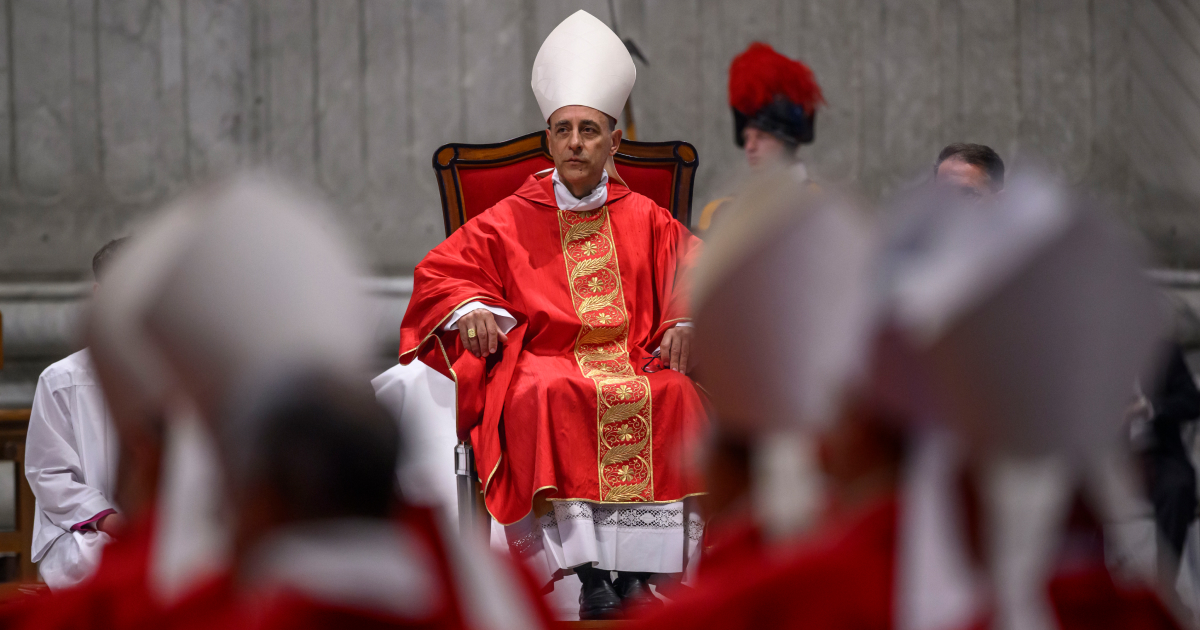
In a statement issued on February 12, the dicastery confirmed that Cardinal Víctor Manuel Fernández met the Rev Davide Pagliarani at its headquarters in Rome “with the approval of the Holy Father Leo XIV”. The encounter was described as “cordial and sincere” and focused on questions raised in correspondence sent by the Society between 2017 and 2019.

According to the communiqué, the discussions addressed “certain points presented by the FSSPX in various letters”, including those “sent between 2017 and 2019, including, among other topics, the question of the divine will concerning the plurality of religions”. The Prefect, the statement said, sought to clarify these matters directly before proposing further steps.

Cardinal Fernández “proposed a pathway of specifically theological dialogue, following a precise methodology, on issues that have not yet received sufficient clarification”. The statement made clear that this would not be a general exchange of views but a structured process aimed at identifying concrete points of agreement and divergence.

Among the themes identified for further study were “the distinction between an act of faith and the ‘religious submission of mind and will’”, together with “the differing degrees of adherence required by various texts of the Second Vatican Ecumenical Council and their interpretation”. The dicastery also noted that it had proposed “addressing a series of topics listed by the FSSPX in its letter of January 17, 2019”, signalling that the agenda would take into account concerns formally submitted by the Society itself.

The aim of this dialogue, the statement continued, is “to highlight, in the topics under discussion, the minimum requirements for full communion with the Catholic Church”. It added that this would consequently make it possible “to outline a canonical statute for the Fraternity, along with other aspects requiring further study”. The language suggests that doctrinal clarification is being treated as a necessary foundation for any eventual juridical solution.

The dicastery devoted a substantial portion of the communiqué to the question of episcopal ordinations. It reaffirmed that “the ordination of bishops without the mandate of the Supreme Pontiff, who possesses ordinary, supreme, universal, immediate and direct power”, would constitute “a decisive rupture of ecclesial communion (schism), with serious consequences for the Fraternity as a whole”.

It further highlighted Pope St John Paul II’s 1988 apostolic letter Ecclesia Dei and a 1996 explanatory note of the Pontifical Council for Legislative Texts, reinforcing the seriousness with which the Holy See views any episcopal consecrations carried out without pontifical mandate. The statement declared that “the possibility of undertaking this dialogue presupposes that the Fraternity suspend the announced episcopal ordinations”.

The communiqué concluded by outlining the immediate next steps: “The Superior General of the FSSPX will present the proposal to his Council and will provide his response to the Dicastery for the Doctrine of the Faith.” In the event of “a positive response”, it said, “the steps, stages and procedures to be followed will be established by mutual agreement”. The Church as a whole was invited to accompany the process “especially in the coming times, with prayer to the Holy Spirit, who is the principal agent of true ecclesial communion willed by Christ”.

The Society has not yet issued its own response to the Vatican statement. Sources close to the Fraternity told the Catholic Herald that a reply would be made “in due course” and that Fr Pagliarani intends to place the matter before the Society’s General House for consideration and analysis before any formal answer is given.

The dicastery has therefore proposed theological dialogue in return for the suspension of the Society’s announced episcopal consecrations.

However, this represents less a breakthrough than a continuation of an established pattern. While the press statement is new and the Vatican officials are different, the structure of negotiations between the Society and Rome remains familiar. Rome has made a move that appears open to dialogue while requiring the suspension of consecrations, leaving the Society to decide whether to accept theological discussions or proceed with episcopal ordinations.

The meeting appears constructive on the surface, but the condition that “the possibility of undertaking this dialogue presupposes that the Fraternity suspend the announced episcopal ordinations” introduces a clear prerequisite. Rome has offered discussion on Vatican II in exchange for postponement of the consecrations.

This approach recalls previous negotiations. In 2012, during discussions under Benedict XVI, the Congregation for the Doctrine of the Faith presented Bishop Bernard Fellay with a Doctrinal Preamble as a “fundamental basis for achieving full reconciliation”. When the Society’s response was judged “not sufficient to overcome the doctrinal problems”, Rome invited clarification “in order to be able to heal the existing rift”.

There remains continuity in both method and emphasis. In 1988, the Holy See declared that Archbishop Marcel Lefebvre, Bishop Antonio de Castro Mayer and the four consecrated bishops had incurred excommunication. The present statement emphasises that episcopal ordination without pontifical mandate would constitute “a decisive rupture of ecclesial communion (schism), with serious consequences for the Fraternity as a whole”. The wording suggests that canonical consequences could extend beyond individual bishops.

The Vatican has placed the next step firmly in the Society’s hands. If it declines the proposal, reconciliation may be further delayed. If it accepts, it enters a structured theological dialogue whose outcome remains to be determined.
The Vatican has set out a proposed pathway towards resolving the status of the Priestly Society of St Pius X following a meeting between the head of the Dicastery for the Doctrine of the Faith and the Society’s Superior General, after the announcement of episcopal consecrations without papal mandate.

In a statement issued on February 12, the dicastery confirmed that Cardinal Víctor Manuel Fernández met the Rev Davide Pagliarani at its headquarters in Rome “with the approval of the Holy Father Leo XIV”. The encounter was described as “cordial and sincere” and focused on questions raised in correspondence sent by the Society between 2017 and 2019.

According to the communiqué, the discussions addressed “certain points presented by the FSSPX in various letters”, including those “sent between 2017 and 2019, including, among other topics, the question of the divine will concerning the plurality of religions”. The Prefect, the statement said, sought to clarify these matters directly before proposing further steps.

Cardinal Fernández “proposed a pathway of specifically theological dialogue, following a precise methodology, on issues that have not yet received sufficient clarification”. The statement made clear that this would not be a general exchange of views but a structured process aimed at identifying concrete points of agreement and divergence.

Among the themes identified for further study were “the distinction between an act of faith and the ‘religious submission of mind and will’”, together with “the differing degrees of adherence required by various texts of the Second Vatican Ecumenical Council and their interpretation”. The dicastery also noted that it had proposed “addressing a series of topics listed by the FSSPX in its letter of January 17, 2019”, signalling that the agenda would take into account concerns formally submitted by the Society itself.

The aim of this dialogue, the statement continued, is “to highlight, in the topics under discussion, the minimum requirements for full communion with the Catholic Church”. It added that this would consequently make it possible “to outline a canonical statute for the Fraternity, along with other aspects requiring further study”. The language suggests that doctrinal clarification is being treated as a necessary foundation for any eventual juridical solution.

The dicastery devoted a substantial portion of the communiqué to the question of episcopal ordinations. It reaffirmed that “the ordination of bishops without the mandate of the Supreme Pontiff, who possesses ordinary, supreme, universal, immediate and direct power”, would constitute “a decisive rupture of ecclesial communion (schism), with serious consequences for the Fraternity as a whole”.

It further highlighted Pope St John Paul II’s 1988 apostolic letter Ecclesia Dei and a 1996 explanatory note of the Pontifical Council for Legislative Texts, reinforcing the seriousness with which the Holy See views any episcopal consecrations carried out without pontifical mandate. The statement declared that “the possibility of undertaking this dialogue presupposes that the Fraternity suspend the announced episcopal ordinations”.

The communiqué concluded by outlining the immediate next steps: “The Superior General of the FSSPX will present the proposal to his Council and will provide his response to the Dicastery for the Doctrine of the Faith.” In the event of “a positive response”, it said, “the steps, stages and procedures to be followed will be established by mutual agreement”. The Church as a whole was invited to accompany the process “especially in the coming times, with prayer to the Holy Spirit, who is the principal agent of true ecclesial communion willed by Christ”.

The Society has not yet issued its own response to the Vatican statement. Sources close to the Fraternity told the Catholic Herald that a reply would be made “in due course” and that Fr Pagliarani intends to place the matter before the Society’s General House for consideration and analysis before any formal answer is given.

The dicastery has therefore proposed theological dialogue in return for the suspension of the Society’s announced episcopal consecrations.

However, this represents less a breakthrough than a continuation of an established pattern. While the press statement is new and the Vatican officials are different, the structure of negotiations between the Society and Rome remains familiar. Rome has made a move that appears open to dialogue while requiring the suspension of consecrations, leaving the Society to decide whether to accept theological discussions or proceed with episcopal ordinations.

The meeting appears constructive on the surface, but the condition that “the possibility of undertaking this dialogue presupposes that the Fraternity suspend the announced episcopal ordinations” introduces a clear prerequisite. Rome has offered discussion on Vatican II in exchange for postponement of the consecrations.

This approach recalls previous negotiations. In 2012, during discussions under Benedict XVI, the Congregation for the Doctrine of the Faith presented Bishop Bernard Fellay with a Doctrinal Preamble as a “fundamental basis for achieving full reconciliation”. When the Society’s response was judged “not sufficient to overcome the doctrinal problems”, Rome invited clarification “in order to be able to heal the existing rift”.

There remains continuity in both method and emphasis. In 1988, the Holy See declared that Archbishop Marcel Lefebvre, Bishop Antonio de Castro Mayer and the four consecrated bishops had incurred excommunication. The present statement emphasises that episcopal ordination without pontifical mandate would constitute “a decisive rupture of ecclesial communion (schism), with serious consequences for the Fraternity as a whole”. The wording suggests that canonical consequences could extend beyond individual bishops.

The Vatican has placed the next step firmly in the Society’s hands. If it declines the proposal, reconciliation may be further delayed. If it accepts, it enters a structured theological dialogue whose outcome remains to be determined.
subscribe to
the catholic herald

Continue reading your article with a subscription.
Read 5 articles with our free plan.
Subscribe

subscribe to the catholic herald today

Our best content is exclusively available to our subscribers. Subscribe today and gain instant access to expert analysis, in-depth articles, and thought-provoking insights—anytime, anywhere. Don’t miss out on the conversations that matter most.
Subscribe