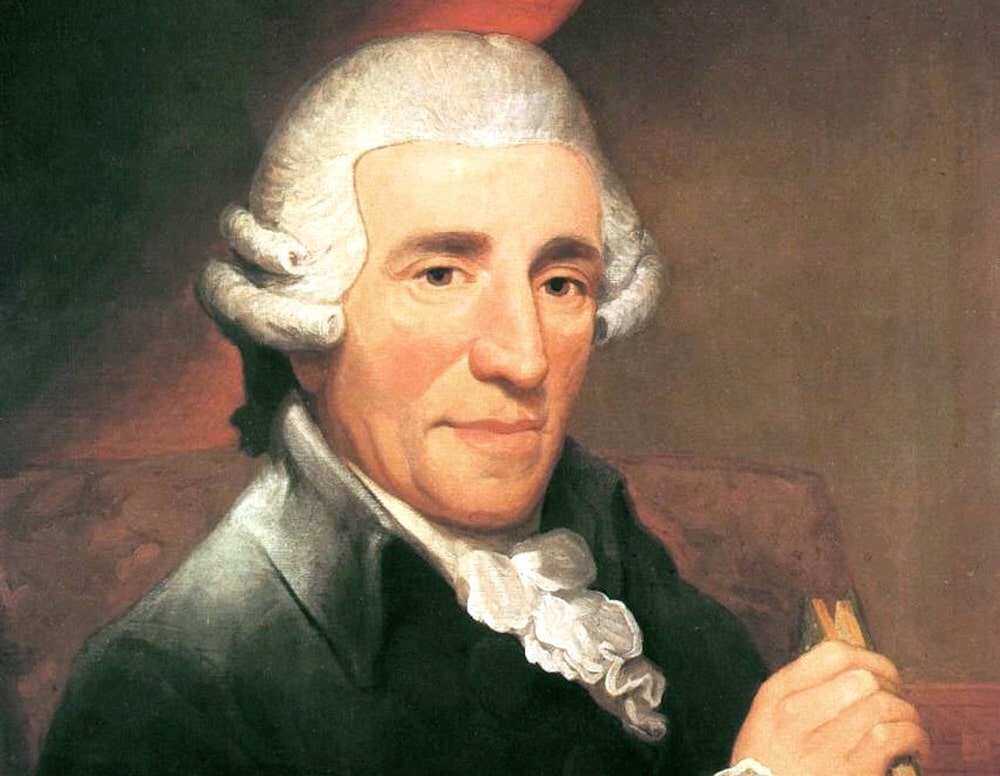



One of history’s greatest Catholic composers, Franz Joseph Haydn’s masses, oratorios and sacred instrumental works are so moving, energising and innovative that he transcended the mere category of musician. In 1785 the English newspaper Gazetteer & New Daily Advertiser called Haydn the “Shakespeare of music”, while an early biographer, Giuseppe Carpani, likened Haydn to Catholic discoverers such as Christopher Columbus or the Venetian painter Tintoretto.
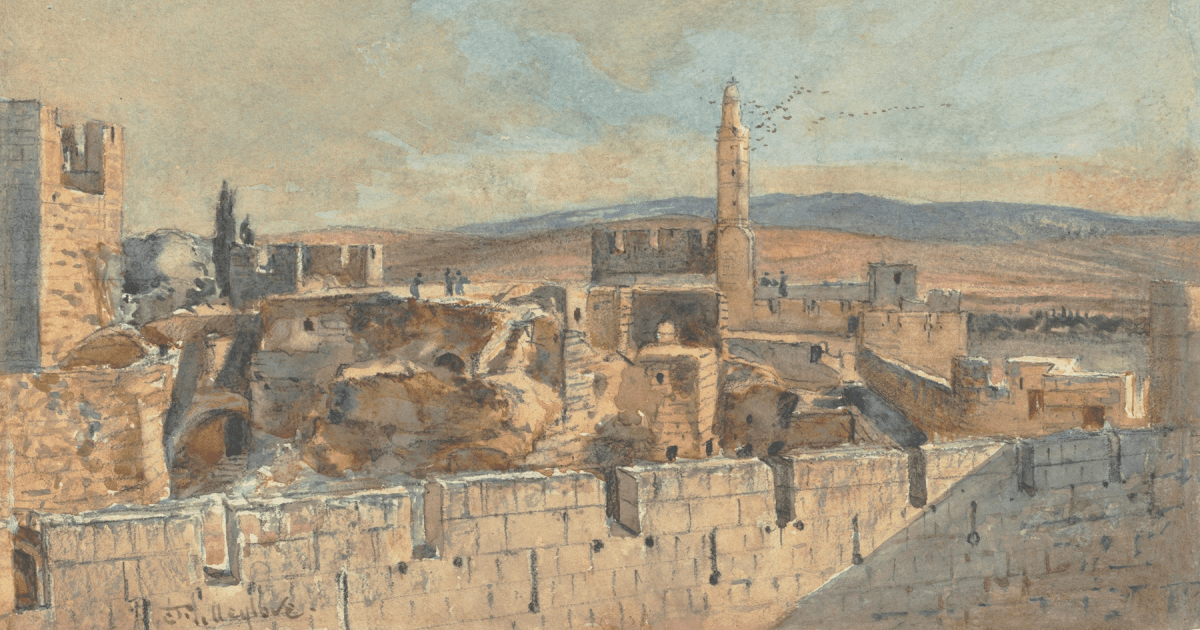
Haydn added a lasting imprint on new genres of music, such as the classical symphony and the string quartet. But even more strikingly, his devoutness radiated in masses which, as the musicologist Guido Adler asserted in 1932, are “artistic expressions of Austrian piety and of the concept of God as dispenser of earthly joy, as modern counter parts, in the rarified atmosphere of musical classicism, of the representations of Christ-Orpheus in one person on the mosaic pavement in Jerusalem and in old paintings in the catacombs”.