

May 22, 2026

The rise of the false Madonnas

Isabel Gibbens
More
Related
Min read
share

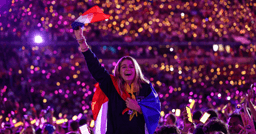
Hollywood has never been shy about offending Christians, and last month was no exception. A trailer for the film Mother Mary (2026) was released, depicting the story of a fictional pop star who performs in a resplendent crown with rays of light emerging from her head. However, as this musician wears skimpy bodysuits and has a romantic entanglement with her female dress designer, we can be pretty sure she shares nothing else in common with the Virgin Mary.

Unsurprisingly, I won’t be watching it, but one thing that the film does get right is the title many young women give to their favourite female singers, that of “mother”. I began to notice this social media trend a couple of years ago, where goliath-like pop stars – think Taylor Swift, Beyoncé and Lana Del Rey – were being addressed by this term, and I found myself perplexed by it.
To call someone “mother” intuitively refers to a very specific type of relationship, one based on nurture, affection, devotion and inspiration. Indeed, we can see this play out in the adoring way young women speak about their pop idols: the obsessive connection to their music, with “real fans” reading between the lines and seemingly interpreting lyrics in ways others cannot; their commitment to attending as many live events as possible; and the accumulation of pricey merchandise. Even the procurement of personal relics, however expensive they might be. Britney Spears’s stage outfits, for one, are frequently auctioned for hundreds of thousands of dollars a pop.

Famous artistic figures, from the Bard to stage actresses, have long been admired throughout Western culture, but never like this. Not to such a worshipful extent. Apparently, this idiosyncratic usage of the term “mother” originated from late-1960s ballroom dance and drag culture, where it was applied to performers’ mentors in both an authoritative and “camp” sense. But I think the appropriation of “mother” and its emergence in mainstream popular culture goes far deeper than this. In fact, my very first thought was that it was a secular stand-in for the Virgin Mary, as well as representing the loss of what she once meant to our culture spiritually.

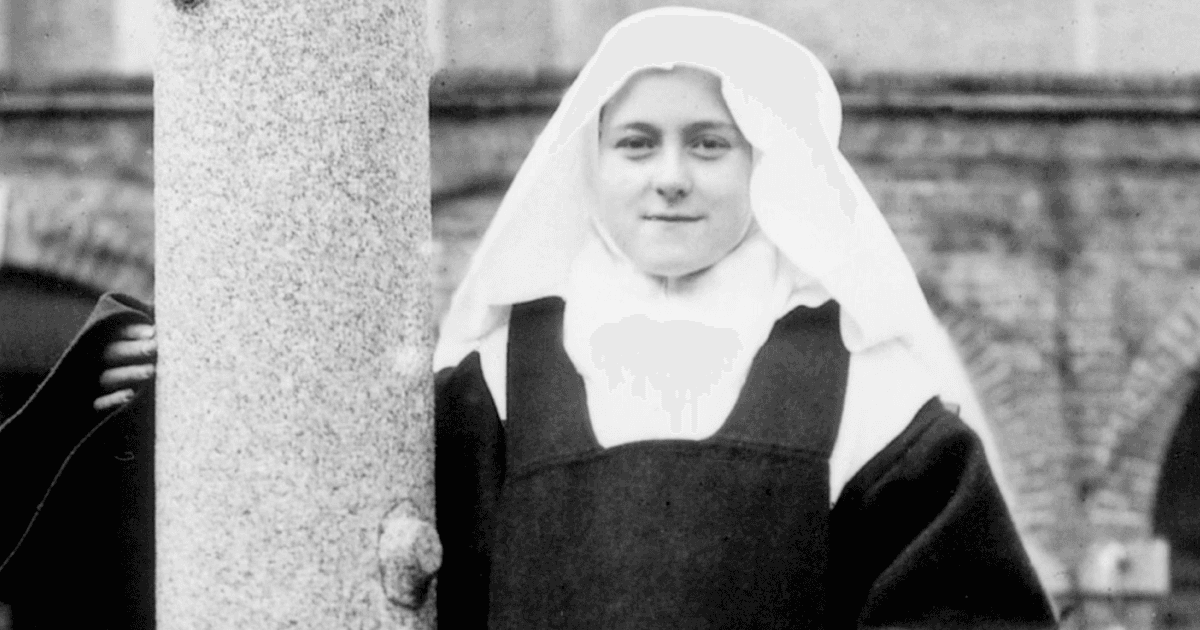
The development of Marian doctrine and her deep theological significance was a gradual process over many centuries. While the New Testament established Mary’s fundamental role in the salvation story, it wasn’t until the medieval period that she was widely acknowledged to be the mother of all Christians. Jesus’s instruction to St John the Beloved to “behold your mother” (John 19:27), in fact, applied to all of mankind. Crucially, it was believed that Mary could spiritually intercede on humanity’s behalf and provide vital support throughout the storms of life, especially in matters concerning our eternal salvation.

The Queen of Heaven reigned supreme, subordinate only to the Trinity, right up until the Reformational wreckage of the 16th century, during which, in many European countries, she was abruptly dethroned. Conflating “intercession” with “worship”, the Protestants rejected Mary’s role as spiritual mother and mediatrix, insisting that only Christ could intercede between God and humanity. She continued to be respected as Jesus’s mother and for her total submission to the will of God, but her role was limited to a solely scriptural lens.

Fast forward to the early to mid-20th century, and Mary’s visibility in the Western world, along with that of the other saints, had all but vanished from public life. These figures, once revered and romanticised, had, to some extent, been usurped by the advent of Hollywood and industrialised entertainment. As such, a new roster of “stars” was born, further diverting our attention away from religion and the spiritual life.

From Clara Bow to Marilyn Monroe, these idols were marketed to women in particular. While the Catholicism of the Middle Ages made it paramount that Mary pointed to Christ, these new figures, much like contemporary pop singers, were gateways to beauty ideals, glamour and aspirational lifestyles. But they were never a bridge to motherhood. Freelance journalist Sue Ellen Browder has since admitted that publications such as Cosmopolitan had a central “anti-mother” ethos, encouraging women to pursue careers and casual romantic relationships instead.

It’s crucial to remember that Mary had once been a spiritual mother to all, regardless of gender or other human differences. Yet she has always held, and still does among believers today, a special emotional significance for women, who are able to connect with her experiences of childbirth and rearing, as well as her vulnerability and distinctly feminine endurance.

While many of today’s young women rely on their favourite singers to “mother” them – it’s common to hear them dramatically proclaim that she “raised me”, dictated their musical tastes and provided emotional solace through her artistry – this relationship will always be one-sided. Their idol is unlikely to truly return their adulation, and the setup is conditional. Despite mutual proclamations of “love”, fans regularly demand that singers reflect their own ideals and values and become frustrated at any signs of dissent, such as a refusal to support their preferred political cause. Taylor Swift’s so-called “silence” on the issue of Gaza immediately comes to mind, which many of her fans have pressured her to address publicly. To state the obvious, these placebo “mothers” cannot offer the consistency, care and protection that the enduring Mother Mary can.

Now that this exemplar of motherhood and religion has suffered a gradual societal eclipse, we are experiencing a kind of cultural “motherlessness”. Not that fewer people are raised by mothers, but that many women are discouraged from becoming mothers at all. Women do not make decisions in a vacuum, and a culture that devalues life, raising abortion to a sacrament, does not inspire anyone to pursue motherhood and all its virtues.

As devotion to the Virgin Mary has faded in much of Western culture, women have been left bereft of role models of motherhood, contributing to the waning of this vocation. With increasing individualism at the heart of many modern women’s lives, it is no wonder they project this void onto famous women who can never truly bear the weight of this role.

Continue reading with a free account

Create a free account to read up to five articles each month
Create free account

You have # free articles remaining this month.

Subscribe to get unlimited access.
Sign up

subscribe to the catholic herald today

Our best content is exclusively available to our subscribers. Subscribe today and gain instant access to expert analysis, in-depth articles, and thought-provoking insights—anytime, anywhere. Don’t miss out on the conversations that matter most.
Subscribe