

When Pope Honorius crowned the Fourth Lateran Council (1215) by proclaiming the new feast of Corpus Christi – a triduum of joy from the Thursday following Trinity Sunday to echo the triduum of Holy Week and Easter – the Catholic world responded with a burst of artistic creativity unmatched since the days of Ancient Greece. Drama came alive again, in a folk tradition which, when it merged with the learning of the Renaissance, would culminate in the plays of somebody called Shakespeare.
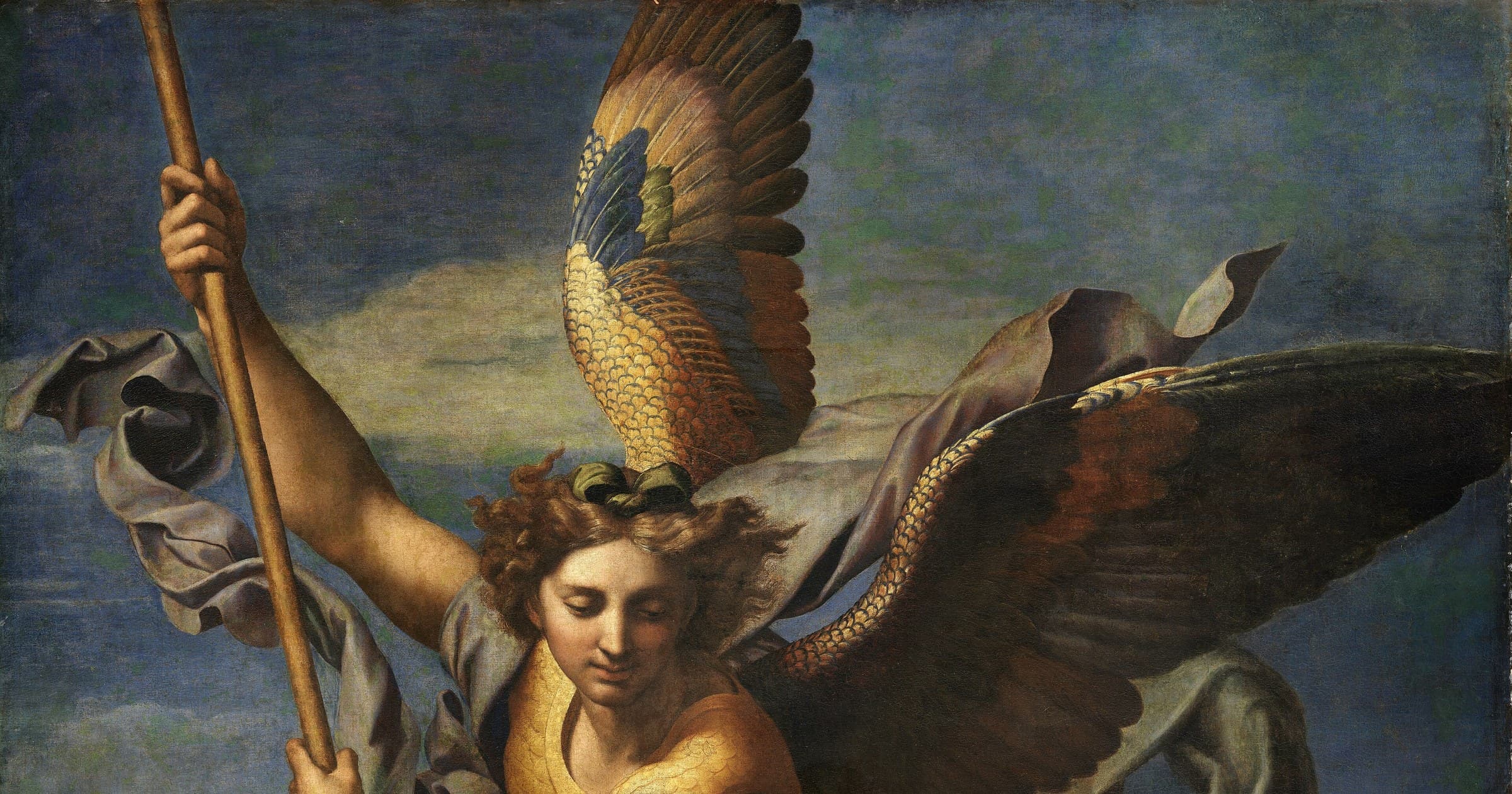
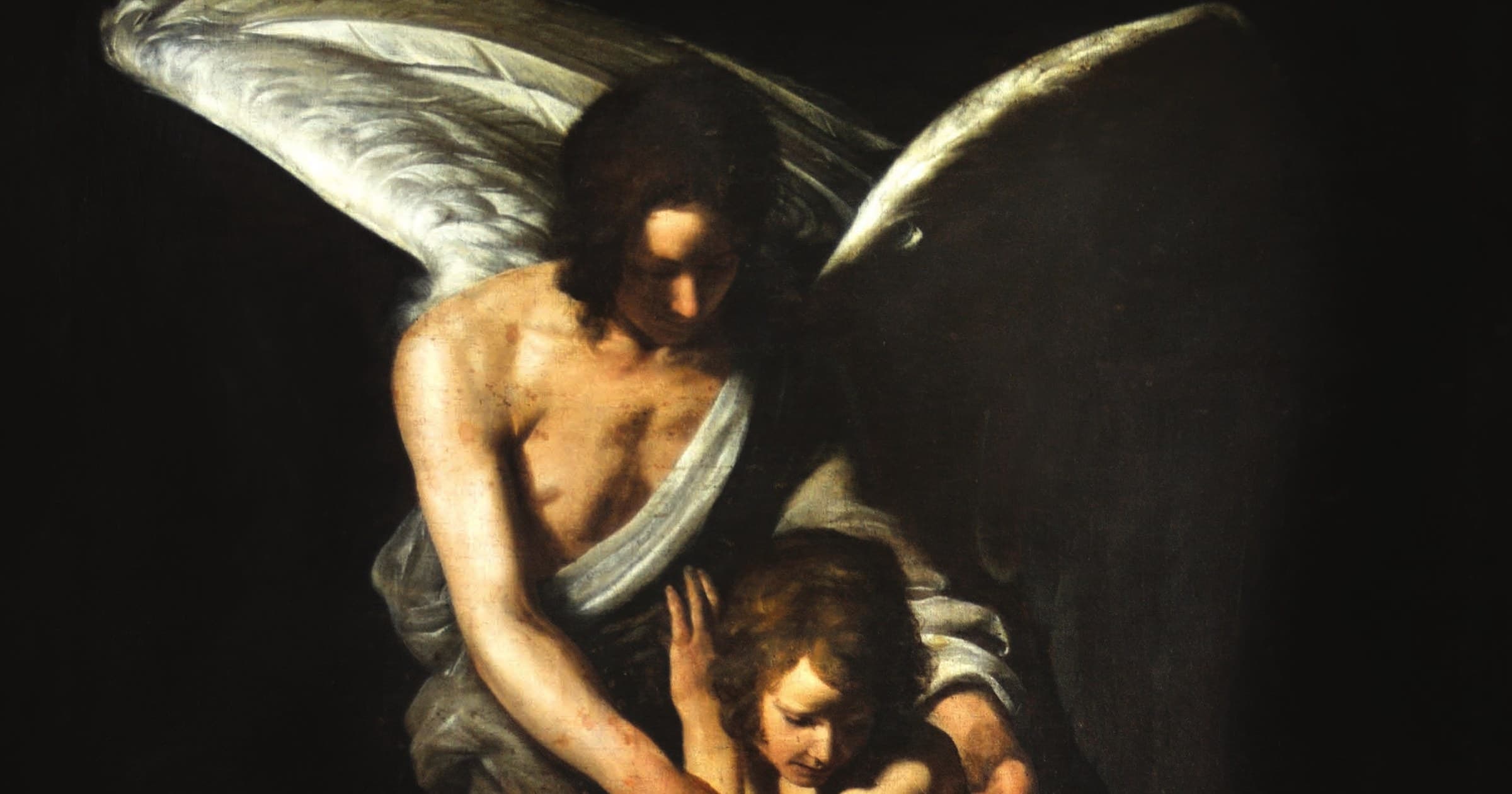
When the Council of Trent closed in 1563, the Catholic world again responded with a burst of artistic creativity. What the neo-classical tea-tasters of the 18th century disparagingly called the “Baroque” was born; Caravaggio, Rembrandt, Shakespeare again, Milton, Racine, Bernini, Bach; and that quintessentially Baroque invention, with its magniloquence and its passionate action – the opera.