


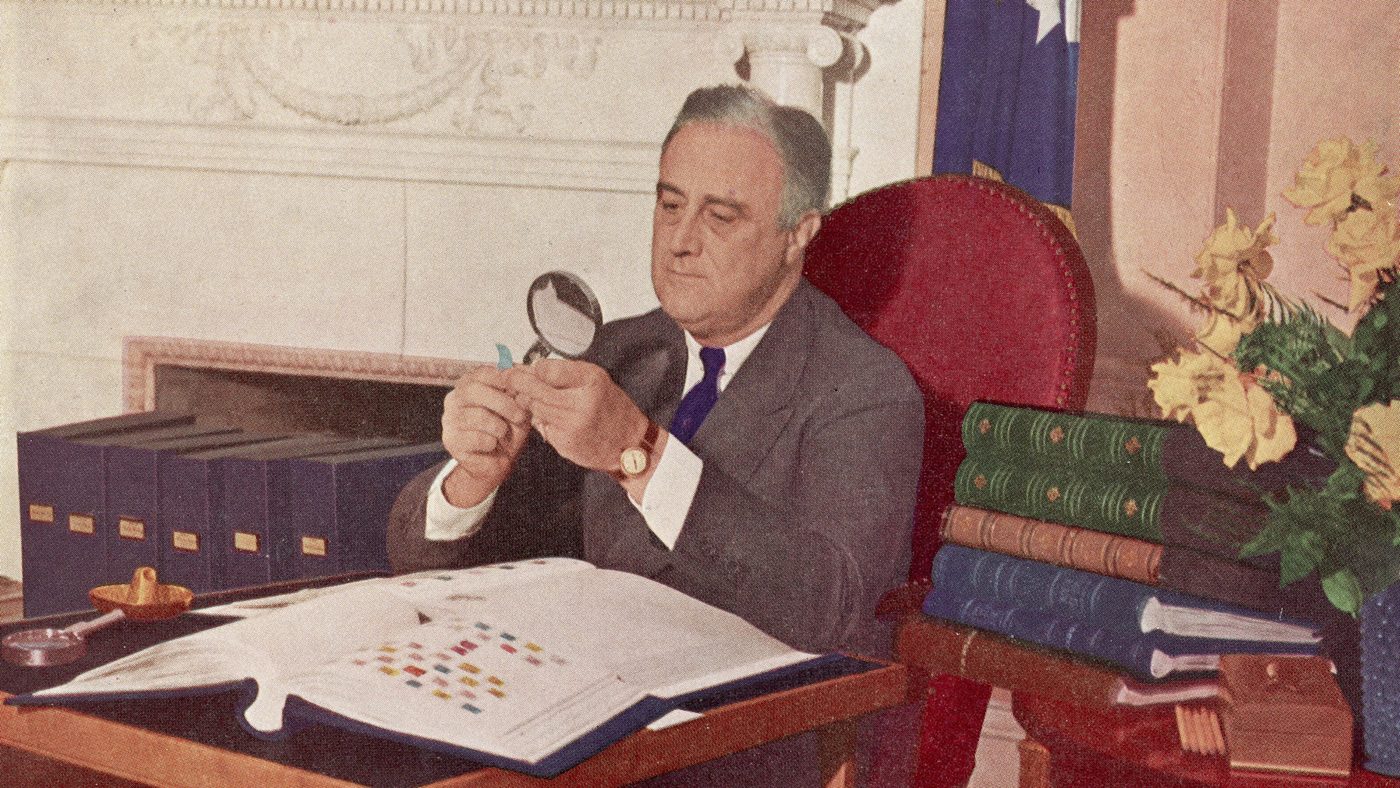
Why did American Catholicism suffer a violent collapse? Was it the fault of the country’s own political traditions? We asked two writers to exchange emails. Dear Mr McGinley, I should say from the outset that I am not a liberal, so I will not argue in favor of liberalism or that its “friendship” with the US Church has presently succeeded. Instead, what I will argue is that the friendship succeeded for a time but no longer does. Americans during the Founding did not call themselves “liberal.” With a couple exceptions, the Founders called themselves “Protestant.” All called themselves “republican.” It was later, in the mid-20th century, that the friendship between the Church and liberalism succeeded. However, it was the amorphous liberalism of Franklin Delano Roosevelt, who was president when many Catholics remained in urban strongholds of unionized labor. At this point, Mgr “New Deal” John A Ryan defended FDR as implementing Catholic social teaching. His former student, Venerable Archbishop Fulton Sheen, preserved what was true in the American political tradition while affirming the spiritual and moral authority of the Pope. By the 1980s, American Catholics divided over the implementation of the Second Vatican Council reforms. To combat secular liberalism at home and communism abroad, the more traditional Catholic leaders allied with Movement Conservatism composed of evangelical Protestants, libertarian economists, and other groups that supported the election of Ronald Reagan. By the 1990s, communism was gone and so were the urban Catholic enclaves; however, in part because of the Reagan-era politicization of religion, secular liberals advanced. Some Catholics acceded to it; many became more conservative but increasingly find themselves unhappy with the nostrums of “zombie Reaganism.” The missing voices here have been the bishops who once tenaciously defended their flocks, but have left the laity to fight among themselves over what to do now. Sincerely, Prof James Patterson
5:00 PM
The US Church and liberalism: a failed friendship? Two writers discuss
James Patterson and Brandon McGinley

11 min read



Already a subscriber? Sign in
5freearticles every month
Continue reading with a free account. No card needed.
- Five free articles every thirty days, on any device you sign in on
- The Catholic Herald newsletter, every morning
- Subscribe whenever you like for everything: every article and the magazine


subscribe to the catholic herald today
Our best content is exclusively available to our subscribers. Subscribe today and gain instant access to expert analysis, in-depth articles, and thought-provoking insights—anytime, anywhere. Don’t miss out on the conversations that matter most.
Subscribe



