
February 12, 2026

Thomas Merton’s cheerful radicalism

Jonathan Wright
More
No items found.
Related
Min read
share

The Root of War is Fear
by Jim Forest, Orbis, £17.99

As a Trappist, Thomas Merton “belonged to a religious order with a tradition of silent withdrawal and near disappearance from the world”. But this, as Jim Forest reminds us, hardly prevented Merton from engaging in some of his era’s most divisive social and political debates.

In his writings on peace, the nuclear menace and the conflict in Vietnam, Merton was “far outside the mainstream of Catholic opinion” and his superiors placed many obstacles in his path. Every so often, this caused frustration to bubble to the surface. Forest comments that “one could fry a breakfast of bacon and eggs” on an anguished letter he received from Merton in 1962.


Obedience was never abandoned, however, nor was an attempt to place radical musings in the context of Catholic tradition. Merton did not flatly reject “Just War” theorising; he simply struggled to see how any Just War was possible in the modern age. All conflicts had the potential to escalate beyond their initial goals and, sooner or later, they were likely to include methods that demolished any initial moral legitimacy. “In practice,” therefore, “war must be absolutely banned and abolished … as a method of settling international disputes.”

Forest was in the thick of peace activism with Merton during the 1960s and he is frank about the tensions and debates within the movement. This is, though, a thoroughly affectionate portrait. When Foster first met Merton he did not encounter someone who was “pretentious or academic or piety personified”. Rather, Foster recalls, “he reminded me of a cheerful truck driver”.

Merton was also a man of rare conscience who remained “attentive to what was going on in the world at large” and was willing to “raise a prophetic voice in times of crisis”. Distance was always key, of course. There was no need, Merton once wrote, to “keep up with the cosy current opinions” since “the secular city does not need me in it, but out of it looking in”. He was rather good at that job.

The Root of War is Fear
by Jim Forest, Orbis, £17.99

As a Trappist, Thomas Merton “belonged to a religious order with a tradition of silent withdrawal and near disappearance from the world”. But this, as Jim Forest reminds us, hardly prevented Merton from engaging in some of his era’s most divisive social and political debates.

In his writings on peace, the nuclear menace and the conflict in Vietnam, Merton was “far outside the mainstream of Catholic opinion” and his superiors placed many obstacles in his path. Every so often, this caused frustration to bubble to the surface. Forest comments that “one could fry a breakfast of bacon and eggs” on an anguished letter he received from Merton in 1962.
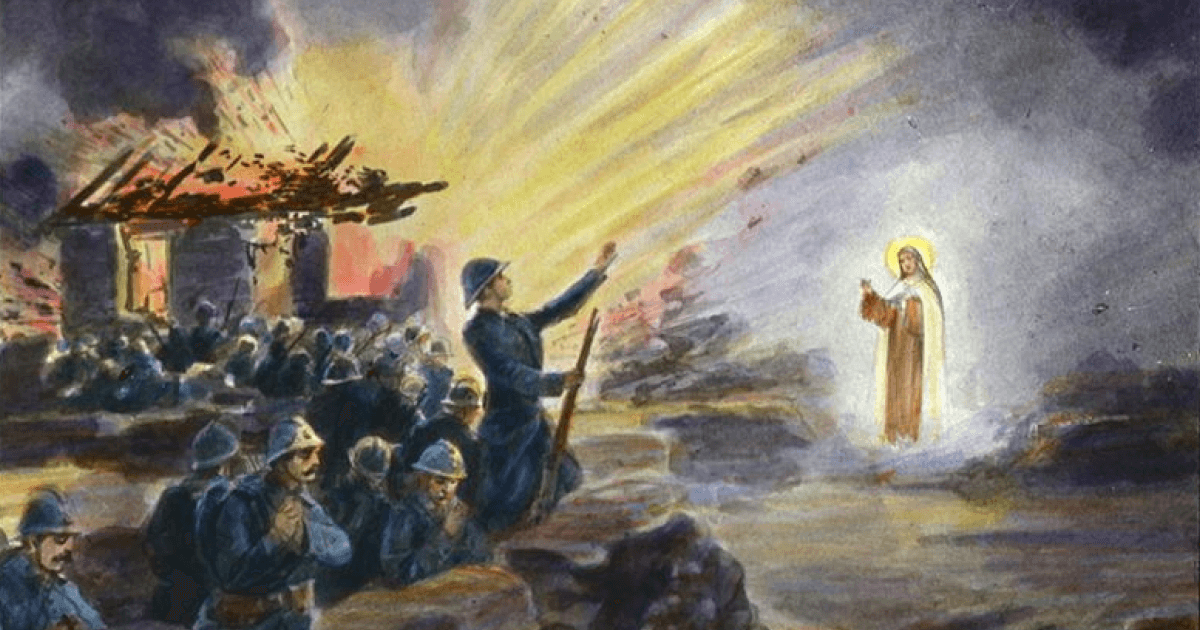
Obedience was never abandoned, however, nor was an attempt to place radical musings in the context of Catholic tradition. Merton did not flatly reject “Just War” theorising; he simply struggled to see how any Just War was possible in the modern age. All conflicts had the potential to escalate beyond their initial goals and, sooner or later, they were likely to include methods that demolished any initial moral legitimacy. “In practice,” therefore, “war must be absolutely banned and abolished … as a method of settling international disputes.”

Forest was in the thick of peace activism with Merton during the 1960s and he is frank about the tensions and debates within the movement. This is, though, a thoroughly affectionate portrait. When Foster first met Merton he did not encounter someone who was “pretentious or academic or piety personified”. Rather, Foster recalls, “he reminded me of a cheerful truck driver”.

Merton was also a man of rare conscience who remained “attentive to what was going on in the world at large” and was willing to “raise a prophetic voice in times of crisis”. Distance was always key, of course. There was no need, Merton once wrote, to “keep up with the cosy current opinions” since “the secular city does not need me in it, but out of it looking in”. He was rather good at that job.

subscribe to
the catholic herald

Continue reading your article with a subscription.
Read 5 articles with our free plan.
Subscribe

subscribe to the catholic herald today

Our best content is exclusively available to our subscribers. Subscribe today and gain instant access to expert analysis, in-depth articles, and thought-provoking insights—anytime, anywhere. Don’t miss out on the conversations that matter most.
Subscribe