February 11, 2026

Threats to the Extraordinary Form

The Catholic Herald
More
Related
Min read
share

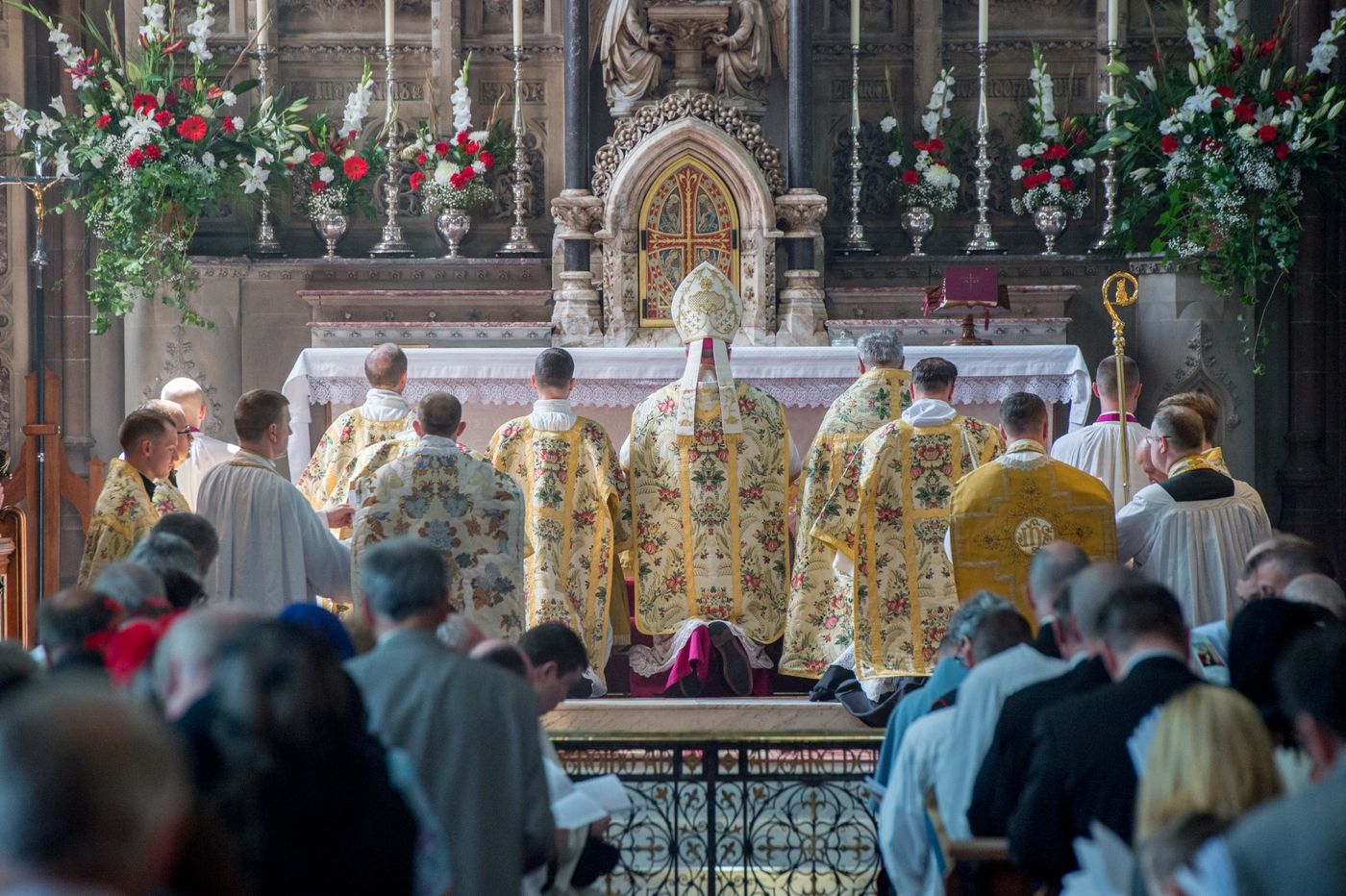
Pope Benedict lived up to his title of pontifex, or bridge-builder, when he allowed the wider use of the Tridentine rite – more properly the Extraordinary Form of the Mass – in the Apostolic Letter Summorum Pontificum of 2007. There has been 13 years for this concession to advance its stated aim: to foster reconciliation in the heart of the Church. There is no sign it has failed, notwithstanding the inevitable occasional dispute. However, Joseph Shaw from the Latin Mass Society suggests in an article that Pope Francis may be changing his previously positive approach to Summorum Pontificum. 

If he is indeed considering restrictions on the Tridentine liturgy, it would mark an unwelcome change of direction from his former inclusive approach. What kind of a Church would it be which denied some of its members the possibility of worship in a dignified form which was once the norm throughout the Church? Why discourage a movement characterised by a concern for beauty, reverence, conversion of life, and the use of technology to spread the Gospel? As Shaw observes, allowing supporters of the Extraordinary Form greater access to churches has encouraged a flourishing of devotion, notably among young people and families. It has also encouraged vocations. Diversity takes many forms, including diversity of worship. We do not need a return to the liturgical culture wars of the 1970s. Liberal authoritarianism by bishops should be things of the past.
Pope Benedict lived up to his title of pontifex, or bridge-builder, when he allowed the wider use of the Tridentine rite – more properly the Extraordinary Form of the Mass – in the Apostolic Letter Summorum Pontificum of 2007. There has been 13 years for this concession to advance its stated aim: to foster reconciliation in the heart of the Church. There is no sign it has failed, notwithstanding the inevitable occasional dispute. However, Joseph Shaw from the Latin Mass Society suggests in an article that Pope Francis may be changing his previously positive approach to Summorum Pontificum. 

If he is indeed considering restrictions on the Tridentine liturgy, it would mark an unwelcome change of direction from his former inclusive approach. What kind of a Church would it be which denied some of its members the possibility of worship in a dignified form which was once the norm throughout the Church? Why discourage a movement characterised by a concern for beauty, reverence, conversion of life, and the use of technology to spread the Gospel? As Shaw observes, allowing supporters of the Extraordinary Form greater access to churches has encouraged a flourishing of devotion, notably among young people and families. It has also encouraged vocations. Diversity takes many forms, including diversity of worship. We do not need a return to the liturgical culture wars of the 1970s. Liberal authoritarianism by bishops should be things of the past.
subscribe to
the catholic herald

Continue reading your article with a subscription.
Read 5 articles with our free plan.
Subscribe

subscribe to the catholic herald today

Our best content is exclusively available to our subscribers. Subscribe today and gain instant access to expert analysis, in-depth articles, and thought-provoking insights—anytime, anywhere. Don’t miss out on the conversations that matter most.
Subscribe