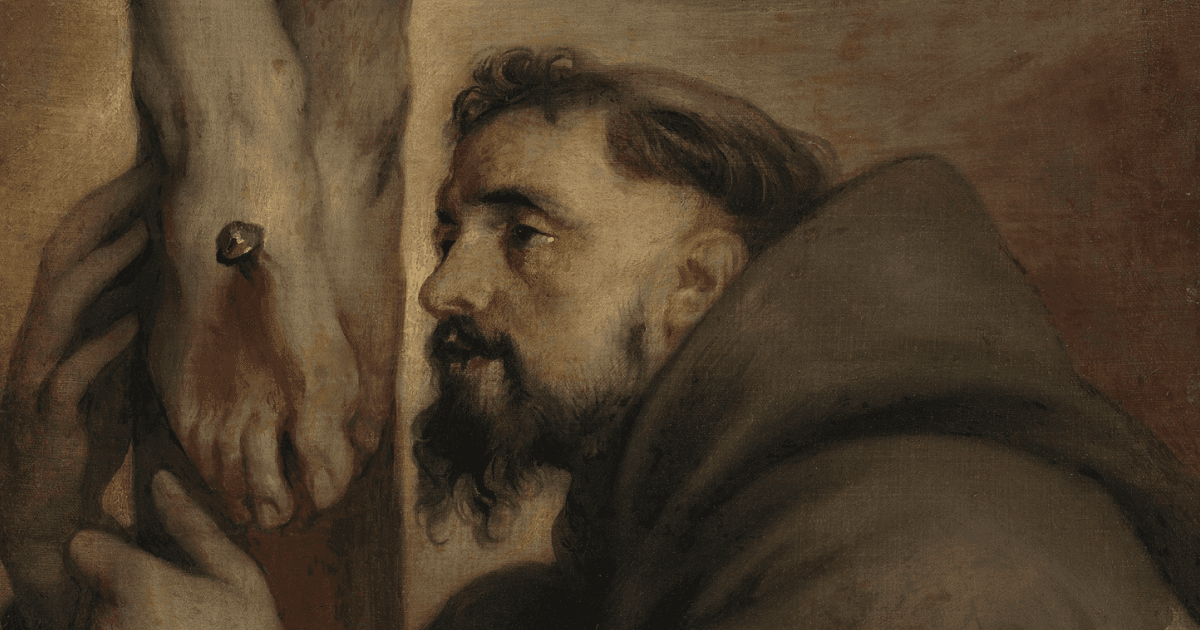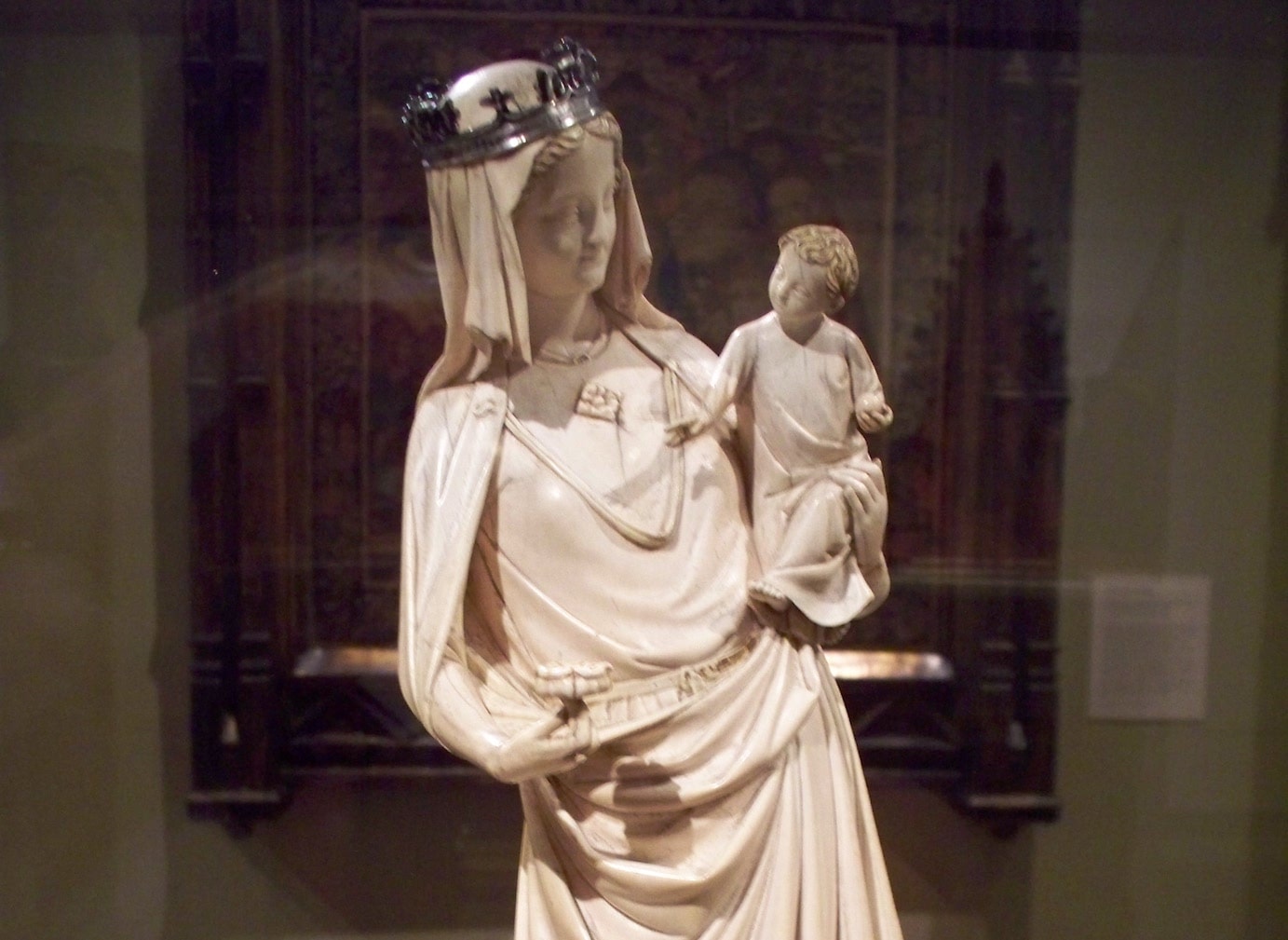




Sarah Guerin helps us understand more deeply the trade and role of medieval devotional ivories, writes Emma Edwards.
A few weeks ago I was fortunate enough to hold in my hands an exquisite ivory carving of the Deposition of Christ. It was made of walrus ivory, probably in York in the late 12th century. To hold that object closely, to feel the polished surface and the detailed carving that renders Christ’s dead body in the arms of a weeping Joseph of Arimathea with the utmost pathos, is to experience some of the most moving emotion that devotional sculpture can achieve in the hands of a master at their art.