
May 25, 2026

Truth in an age of confusion

Jacqueline O'Hara
More
Related
Min read
share

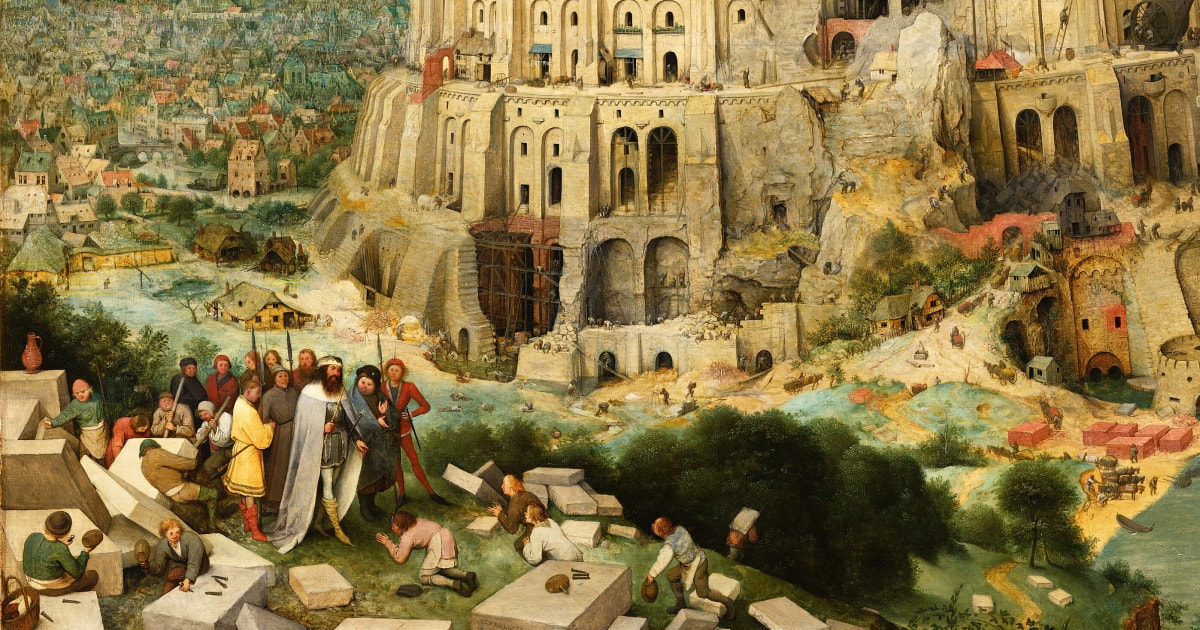
The world today has many similarities to the confusion and pride that inspired the Tower of Babel. Vices are openly celebrated or viewed as cute foibles. Catholic teachings are smeared and discarded. Basic truths about gender, marriage, the family and the dignity of life itself have been redefined according to subjective standards to justify perversity. This widespread rejection of truth, beauty and goodness might tempt those of us who cling to these values to despair.

Thankfully, the upcoming feast of Pentecost offers Catholics worldwide a timely reminder that the Holy Spirit continues to guide us in doing God’s will. Those of us who remain open and committed to this divine influence will surely set the world on fire.
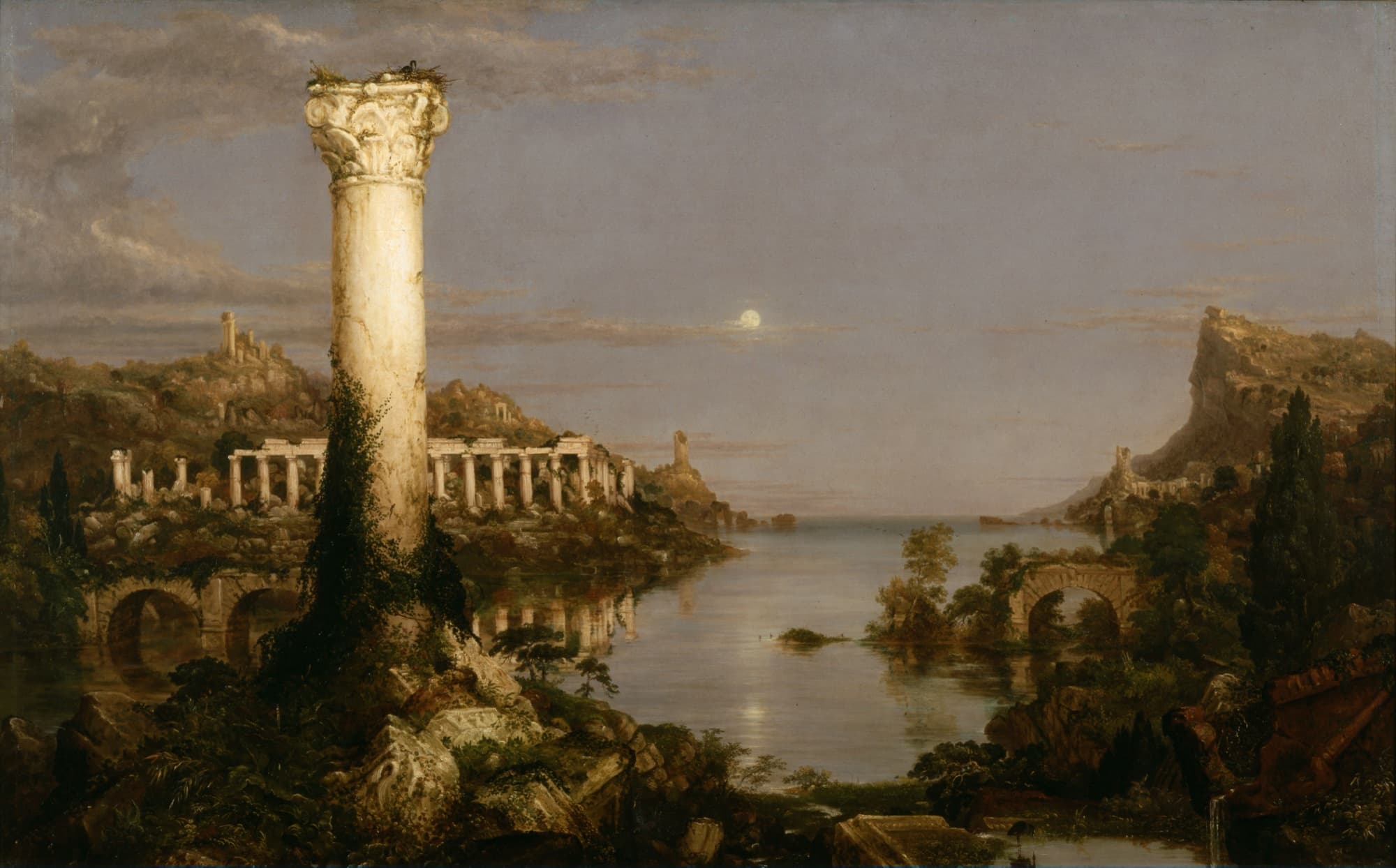
Some scholars have highlighted the connection between the Tower of Babel in the Old Testament and Pentecost Sunday in the New Testament. When mankind let pride consume them in the Tower of Babel, God responded by breaking up nations and confusing their speech. The resulting confusion powerfully symbolised the incoherence of a life without God.

In the New Testament, Christ’s Crucifixion and death left His Apostles confused and terrified. They hid away in the upper room, afraid to leave and face similar persecution. Many of us may resonate with this fear. Like the Apostles, we believe in Jesus’s Resurrection and have the opportunity to receive Him regularly in the Eucharist – just as the Apostles were blessed by Jesus’s numerous appearances between the Resurrection and Pentecost.

Yet the pressures of life and the demands of society tempt many of us to compromise our values, or at least to hide them away in a metaphorical “upper room” to protect ourselves. Saints like St Stephen, St Thomas More, St Joan of Arc, St Edmund Campion and so many others faced this potentially paralysing friction between earthly fear and heavenly demands. Though their fortitude despite torture and death has merited them eternal glory, the human anxiety and fear that each of these heroes suffered has been well documented.

Today, ordinary Christians face similar, albeit less life-threatening, quandaries: their boss tells them to promote something morally evil; a friend or peer does something gravely sinful and needs fraternal correction; choosing life after an unexpected pregnancy; making the right political decision affecting millions that could damage chances of re-election.

With such widespread rejection of God and pressure to conform to secular – often evil – standards, it’s understandable why so many Catholics are afraid to stand by their convictions. In America, it could cost them their job, friendships or reputation; in other countries, it could cost them their life. Hiding in their metaphorical upper rooms, cowering from the noise of the world outside, some may feel abandoned by the God who promised to be their Saviour. Where is He in this?

Pentecost offers a powerful reminder, however, that this understandable human fear and weakness cannot define those who are open to the Holy Spirit’s influence.

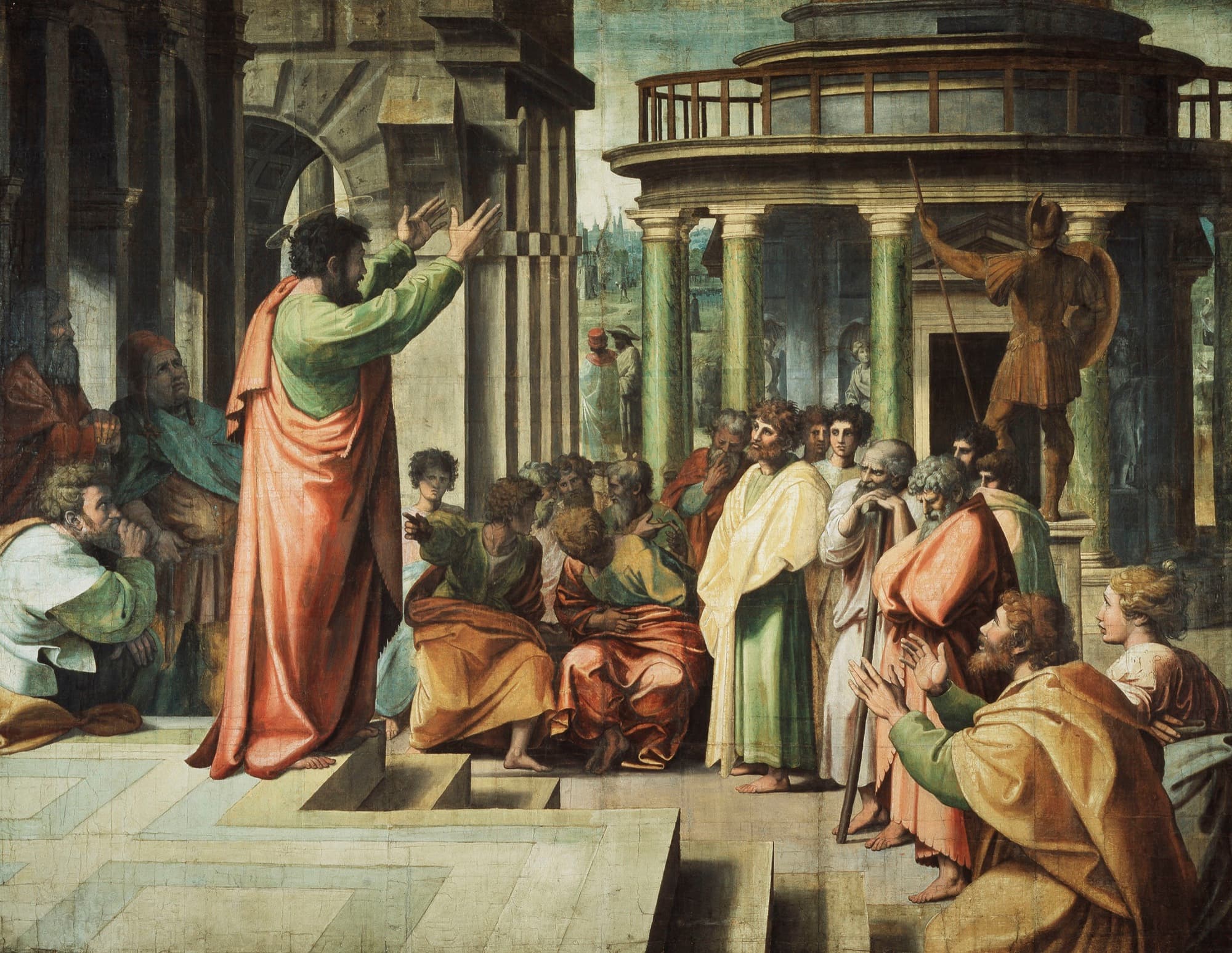
Though they were afraid, the Bible tells us that the Apostles waited “constantly in prayer” in the upper room. On Pentecost Sunday, the descent of the Holy Spirit gave the Apostles newfound courage and enabled them to speak in words that thousands could understand. Through their faithfulness and the Holy Spirit, they baptised around 3,000 people that day.

As many scholars have pointed out, the Holy Spirit’s role in uniting so many nations for Christ through the power of tongues reverses the curse of confusion at Babel. This divine assistance continued working through the Apostles to bring people to the Faith, just as it later strengthened the Apostles and so many others to die rather than reject Christ.

The Tower of Babel reminds us of the futility of trying to operate on our own. Conversely, Pentecost reminds us that through constant prayer and reliance on the Holy Spirit, God can overcome our human weakness to work wonders in our life. He can use our struggle against human temptation as a light in the darkness that may ultimately bring others closer to Him too.

In Matthew 10, Jesus’s words seem almost like a foreshadowing of Pentecost, as well as the trials His Apostles would face. “But when they shall deliver you up,” He instructed them – and us – “take no thought how or what to speak: for it shall be given you in that hour what to speak. For it is not you that speak, but the Spirit of your Father that speaketh in you.”

St Catherine of Siena, who had the courage to counsel Pope Gregory XI when he had gone astray, once said that “if you are what you should be, you will set the world on fire.”

Her words are especially profound when considered in the context of Pentecost, which showed that becoming who God calls us to be will open our hearts to the gifts of the Holy Spirit. These gifts quite literally manifested as tongues of fire at Pentecost.

And amidst the noise, fear and confusion of our age, I hope that Pentecost will embolden us to stay constant in prayer, speak the truth and open our hearts to the Holy Spirit’s influence so that we might similarly set the world ablaze.

Continue reading with a free account

Create a free account to read up to five articles each month
Create free account

You have # free articles remaining this month.

Subscribe to get unlimited access.
Sign up

subscribe to the catholic herald today

Our best content is exclusively available to our subscribers. Subscribe today and gain instant access to expert analysis, in-depth articles, and thought-provoking insights—anytime, anywhere. Don’t miss out on the conversations that matter most.
Subscribe