

March 3, 2026

US bishops warn of ‘tragedy of immense proportions’ as Middle East conflict escalates

The Catholic Herald
More
Related
Min read
share

The president of the United States Conference of Catholic Bishops has warned that mounting tensions between Washington and Tehran risk igniting a far wider conflagration across the Middle East.

Archbishop Paul Coakley of Oklahoma City, who leads the US bishops’ conference, said the present crisis carried the potential for “a tragedy of immense proportions” and urged all parties to step back from the brink.

“The growing conflict risks spiralling into a wider regional war,” he said in a statement issued on March 1, echoing the Pope’s Angelus call for restraint. He added that he and his fellow bishops were joining their voices to that of the Pope in making “a heartfelt appeal to all parties involved for diplomacy to regain its proper role”.
The archbishop called for “a halt to the spiral of violence” and a return to sustained diplomatic engagement aimed at safeguarding what he described as the wellbeing of peoples “who yearn for peaceful existence founded on justice”. He said nations and international institutions committed to peace “must exert every effort to prevent further escalation”, and invited Catholics to intensify their prayers for stability in the region.

“At this critical moment, I invite Catholics and all people of goodwill to continue our ardent prayers for peace in the Middle East, for the safety of our troops and the innocent,” he said, asking the intercession of “Mary, Queen of Peace, to pray for our troubled world and for a lasting peace”.

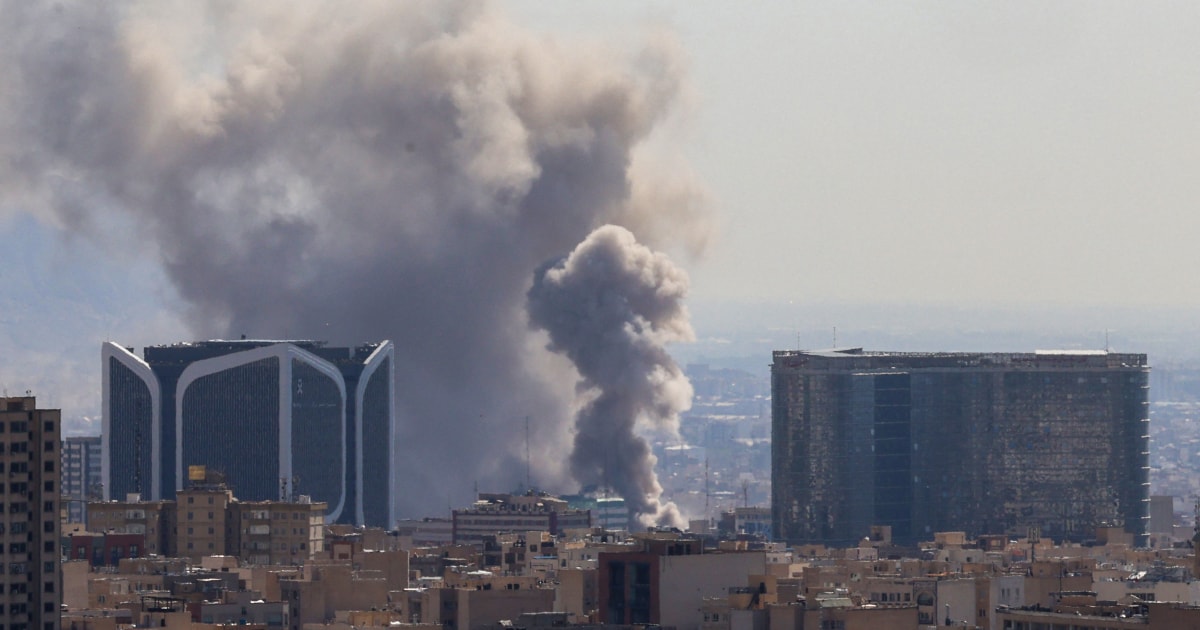
The intervention came only hours after the most dramatic escalation in the crisis to date, when Israel and the United States launched a co-ordinated assault on Iranian targets on February 28. The operation, described by Israel as Operation Roaring Lion and by the Pentagon as Operation Epic Fury, struck sites in Tehran, Isfahan, Qom, Karaj and Kermanshah in what American officials said was an effort to cripple Iran’s missile infrastructure and nuclear capabilities. Among those reported killed was Iran’s Supreme Leader, Ayatollah Ali Khamenei, whose compound in the capital was destroyed during the opening wave of strikes.

Tehran’s retaliation was swift as dozens of drones and ballistic missiles were launched towards Israeli territory and at American military installations across the region, including bases in Jordan, Kuwait, Bahrain, Qatar, Iraq, Saudi Arabia and the United Arab Emirates. Iranian strikes were also reported against civilian aviation facilities in the Gulf. The Strait of Hormuz was closed, disrupting global oil and gas shipments and sending energy markets into turmoil. The Houthi movement in Yemen announced it would resume attacks in the Red Sea, raising fears of a broader maritime crisis.

Iranian officials signalled internal strain as well as defiance. The foreign minister said elements of the military had “partially lost control” of certain units amid the upheaval. Tens of thousands of mourners gathered in Tehran’s Enqelab Square following confirmation of Ayatollah Khamenei’s death, while other reports showed renewed anti-government protests in parts of the country. At the same time, sections of the Iranian diaspora in London and Los Angeles held rallies celebrating the end of his rule.

Archbishop Coakley called for dialogue to replace bloodshed. “Stability and peace are not built through mutual threats, nor through weapons, which sow destruction, pain and death,” he said. He appealed to the parties involved to assume the “moral responsibility of halting the spiral of violence before it becomes an irreparable abyss”, urging nations to return to “reasonable, authentic and responsible dialogue” and calling on the faithful to pray for peace.

The president of the United States Conference of Catholic Bishops has warned that mounting tensions between Washington and Tehran risk igniting a far wider conflagration across the Middle East.

Archbishop Paul Coakley of Oklahoma City, who leads the US bishops’ conference, said the present crisis carried the potential for “a tragedy of immense proportions” and urged all parties to step back from the brink.

“The growing conflict risks spiralling into a wider regional war,” he said in a statement issued on March 1, echoing the Pope’s Angelus call for restraint. He added that he and his fellow bishops were joining their voices to that of the Pope in making “a heartfelt appeal to all parties involved for diplomacy to regain its proper role”.
The archbishop called for “a halt to the spiral of violence” and a return to sustained diplomatic engagement aimed at safeguarding what he described as the wellbeing of peoples “who yearn for peaceful existence founded on justice”. He said nations and international institutions committed to peace “must exert every effort to prevent further escalation”, and invited Catholics to intensify their prayers for stability in the region.

“At this critical moment, I invite Catholics and all people of goodwill to continue our ardent prayers for peace in the Middle East, for the safety of our troops and the innocent,” he said, asking the intercession of “Mary, Queen of Peace, to pray for our troubled world and for a lasting peace”.

The intervention came only hours after the most dramatic escalation in the crisis to date, when Israel and the United States launched a co-ordinated assault on Iranian targets on February 28. The operation, described by Israel as Operation Roaring Lion and by the Pentagon as Operation Epic Fury, struck sites in Tehran, Isfahan, Qom, Karaj and Kermanshah in what American officials said was an effort to cripple Iran’s missile infrastructure and nuclear capabilities. Among those reported killed was Iran’s Supreme Leader, Ayatollah Ali Khamenei, whose compound in the capital was destroyed during the opening wave of strikes.

Tehran’s retaliation was swift as dozens of drones and ballistic missiles were launched towards Israeli territory and at American military installations across the region, including bases in Jordan, Kuwait, Bahrain, Qatar, Iraq, Saudi Arabia and the United Arab Emirates. Iranian strikes were also reported against civilian aviation facilities in the Gulf. The Strait of Hormuz was closed, disrupting global oil and gas shipments and sending energy markets into turmoil. The Houthi movement in Yemen announced it would resume attacks in the Red Sea, raising fears of a broader maritime crisis.

Iranian officials signalled internal strain as well as defiance. The foreign minister said elements of the military had “partially lost control” of certain units amid the upheaval. Tens of thousands of mourners gathered in Tehran’s Enqelab Square following confirmation of Ayatollah Khamenei’s death, while other reports showed renewed anti-government protests in parts of the country. At the same time, sections of the Iranian diaspora in London and Los Angeles held rallies celebrating the end of his rule.

Archbishop Coakley called for dialogue to replace bloodshed. “Stability and peace are not built through mutual threats, nor through weapons, which sow destruction, pain and death,” he said. He appealed to the parties involved to assume the “moral responsibility of halting the spiral of violence before it becomes an irreparable abyss”, urging nations to return to “reasonable, authentic and responsible dialogue” and calling on the faithful to pray for peace.

subscribe to
the catholic herald

Continue reading your article with a subscription.
Read 5 articles with our free plan.
Subscribe

subscribe to the catholic herald today

Our best content is exclusively available to our subscribers. Subscribe today and gain instant access to expert analysis, in-depth articles, and thought-provoking insights—anytime, anywhere. Don’t miss out on the conversations that matter most.
Subscribe