

US officials are continuing to defend military action against Iran despite increasingly pointed criticism from senior Catholic leaders. The White House and Pentagon were still publicly presenting the campaign as a success whilePope Leo XIV, Cardinal Pietro Parolin and Archbishop Paul S. Coakley all urged restraint and renewed calls for peace.
The latest dispute comes against the background of a temporary ceasefire agreed on 7 April. The truce has already been clouded by subsequent Israeli strikes in Lebanon and by disagreement over the reopening of the Strait of Hormuz, whose disruption sent oil prices sharply higher and rattled global markets.
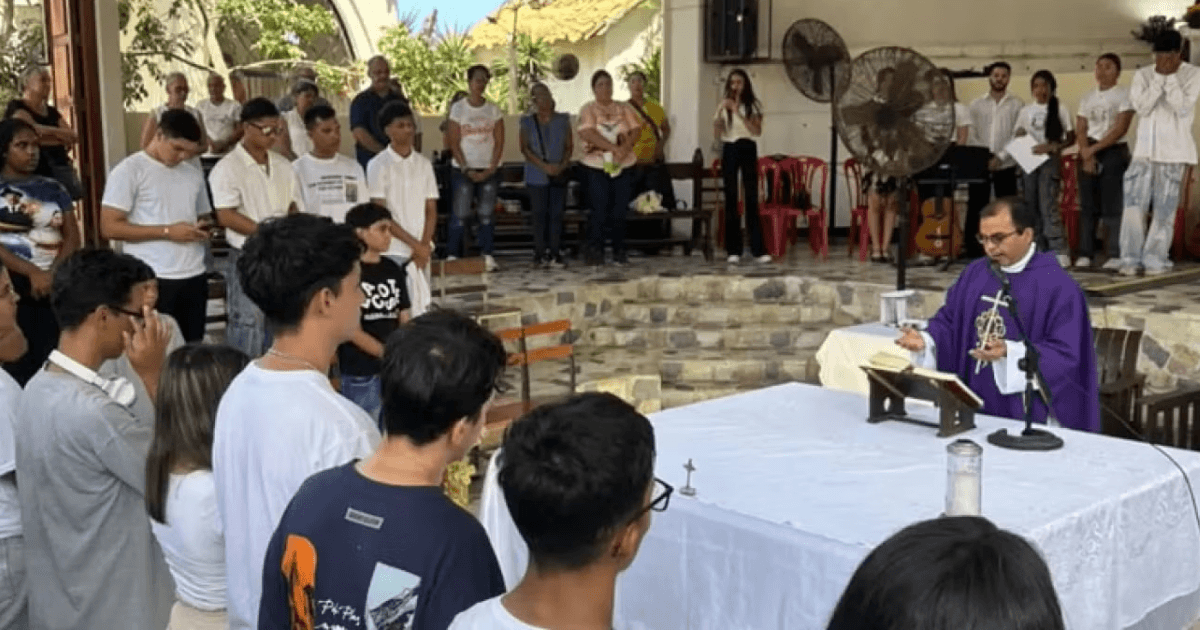
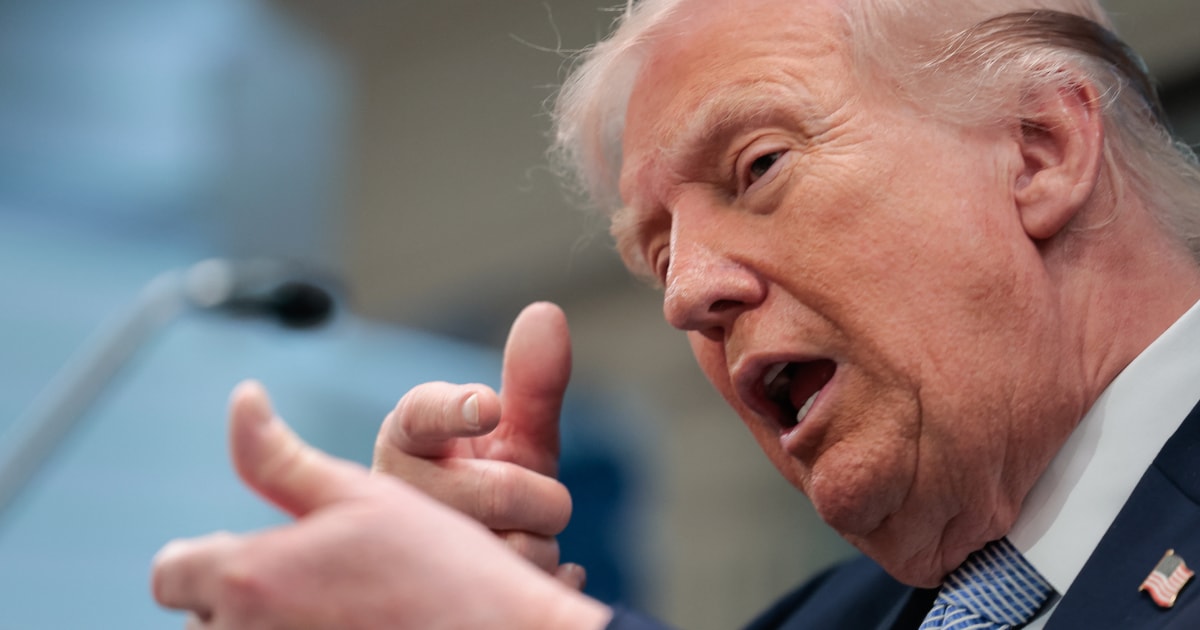
Before the ceasefire, President Donald Trump had threatened the destruction of Iran’s “whole civilization” if Tehran did not accept US terms, language that drew a direct rebuke from Pope Leo. Speaking earlier this week, the Pope said attacks on civilian infrastructure were against international law and invited citizens in all the countries involved to press political leaders to work for peace and reject war. Archbishop Coakley, president of the US Conference of Catholic Bishops, likewise said such rhetoric “cannot be morally justified” and called on President Trump to step back from the brink of war.
Cardinal Parolin has also sharpened the Vatican’s critique of the conflict. The Secretary of State this week called for “more voices of peace” and “more voices against the madness of the rush toward rearmament”, while also urging Catholics and Catholic universities to seek more just economic models and speak more clearly on behalf of the poor.
Washington, however, has continued to frame the campaign in triumphal terms. In a White House release on 8 April, Defence Secretary Pete Hegseth described the operation as a “decisive military victory”, while White House press secretary Karoline Leavitt called it “a victory for the United States of America”. Chairman of the Joint Chiefs of Staff General Dan Caine said coalition forces had achieved their objectives, including the destruction of much of Iran’s military capability.
Yet the precise status of the ceasefire remains uncertain. Iran has said Israeli strikes in Lebanon breached the agreement, while US officials have maintained that Tehran agreed to reopen the Strait of Hormuz during ongoing negotiations. UAE industry minister Sultan Al Jaber said on 9 April that the strait had not been fully reopened.
There has also been an another point of tension between Washington and the Vatican. On 6 April, The Free Press alleged that Cardinal Christophe Pierre, then apostolic nuncio to the United States, had been summoned to the Pentagon in January and given what it described as a bitter lecture urging the Holy See to align itself more closely with US military policy.
The Pentagon has rejected that account. A Department of Defense official has said that the report was “highly exaggerated and distorted”, describing the meeting instead as “a respectful and reasonable discussion”. The apostolic nunciature also confirmed that Cardinal Pierre met Pentagon officials on 22 January to discuss current affairs, adding that such meetings are standard practice for the Holy See’s ambassador in Washington. US ambassador to the Holy See Brian Burch said Cardinal Pierre had characterised reports of a bitter exchange as “fabrications” and described the meeting as frank and cordial.
Vice President JD Vance, who was asked about the report while in Hungary on 8 April, said he wanted first to establish what had actually happened before commenting further. Cardinal Pierre retired in March and has since been replaced by Archbishop Gabriele Giordano Caccia, who has not spoken publicly about the present Iran crisis.