


March 18, 2026

Vatican appeal court finds procedural flaws in Cardinal Becciu case

Niwa Limbu
More
Related
Min read
share

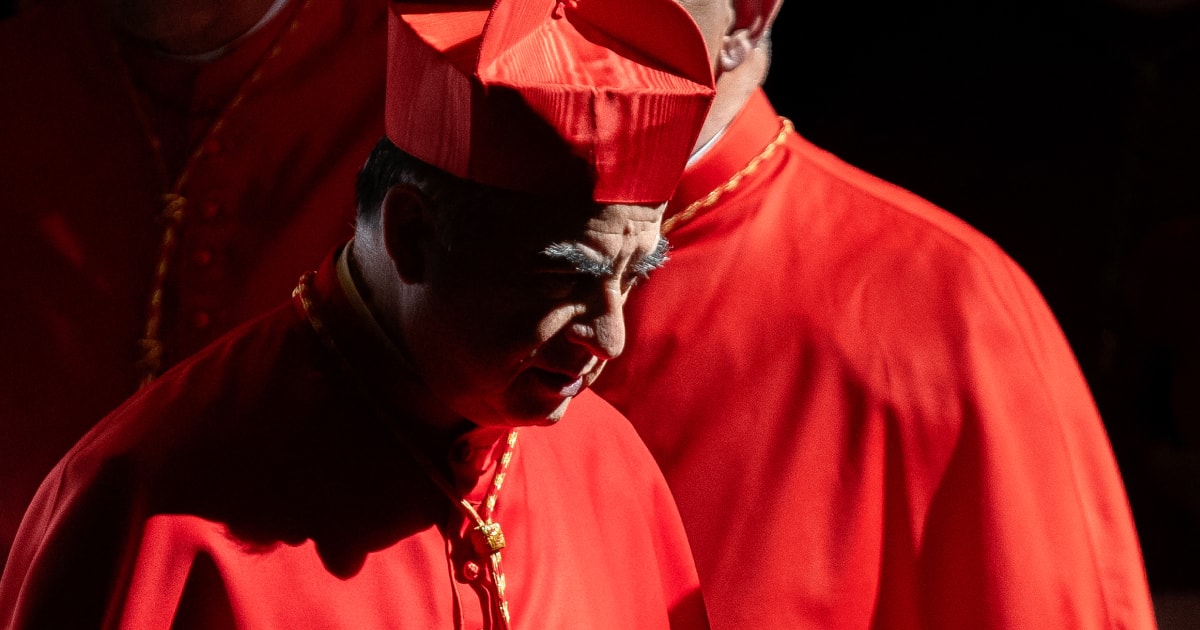
The Vatican’s appeal court has issued a decree of relative nullity in the prosecution of Cardinal Angelo Becciu.

In a ruling issued on 17 March, judges found that key parts of the case were compromised by procedural errors, particularly in the handling of evidence and the legal authority underpinning the investigation. While the court did not overturn the original verdict or rule on the cardinal’s guilt, it concluded that the integrity of the process had been undermined and ordered a fresh phase of litigation beginning in June.
The case centres on the Vatican’s failed €350 million investment in a London property deal, which resulted in heavy financial losses and led to a wider investigation into the Secretariat of State’s management of funds. Cardinal Angelo Becciu, who previously served as a senior official in the dicastery, was convicted in 2023 and sentenced to five and a half years in prison. He has consistently denied wrongdoing.

The appeal judges focused first on the conduct of prosecutors, finding that they had improperly withheld evidence from the defence. In their decision, the court stated that the law required full disclosure at the end of the investigative phase, with “all the documents of the procedure” to be made available to the accused. Instead, prosecutors submitted files that had been partially redacted, a practice the judges said was not permitted under Vatican law.

“The objection of nullity raised by the defendants’ defence is well founded and must be upheld,” the ruling stated, concluding that the failure to provide complete access to evidence violated the defendants’ right to a fair trial. Prosecutors have now been ordered to deposit the full, unredacted record of their investigation by the end of April, after which both sides will be allowed to submit further arguments.

This finding alone is expected to reshape the case, as defence lawyers will be able to revisit evidence that was previously withheld or obscured. The court indicated that it may ultimately decide to remedy the procedural defects or dismiss some charges, depending on the outcome of this new phase.

The judges also addressed the controversial role of papal decrees in the investigation, examining four legal instruments issued by Pope Francis to authorise the inquiry into the Secretariat of State. While most of these measures were upheld, the court identified a problem with a decree dated 2 July 2019.

According to the ruling, this measure effectively introduced a new legal procedure by allowing prosecutors to conduct a “summary” investigation rather than the formal process required under existing law. Because it created a new legal framework, the judges held that it should have been publicly promulgated. Its failure to be published, they said, “affected the legitimacy of some investigative measures adopted on the basis thereof”.

At the same time, the court was careful to affirm that such decrees remain valid expressions of papal authority. “These findings do not, nor could they, affect the value and nature of the rescripta,” the judges wrote, emphasising that the Pope retains full legislative, executive and judicial power within the Vatican. The issue, they indicated, was not the authority itself but the manner in which it had been exercised.

The ruling introduces a new level of judicial scrutiny into the relationship between papal governance and the Vatican’s legal system. Although the court did not challenge the Pope’s powers, it asserted that the procedural form of papal acts can be examined where they have a direct impact on criminal proceedings.

This is a notable development in a system where the concentration of authority in the hands of the Supreme Pontiff has traditionally limited the scope for such review. By distinguishing between the substance of papal authority and its legal execution, the judges have opened a narrow but significant space for oversight.

Despite the seriousness of these findings, the court stopped short of annulling the original trial. It ruled that the defects identified amounted to “relative nullity”, a category in Vatican law which allows procedural errors to be corrected without invalidating the entire process. As a result, the original convictions and sentences remain formally in place, even as the evidential and legal foundations of the case are reconsidered.

The next stage of proceedings will begin on 22 June, when the court is expected to set a timetable for further hearings. In the meantime, the disclosure of previously withheld material is likely to be closely watched, both for its immediate impact on the case and for what it reveals about the conduct of the investigation.

The Becciu trial has already been widely regarded as a test of the Vatican’s legal reform. It was the first time a cardinal had been tried before a Vatican criminal court in modern times, and it formed part of a broader effort under Pope Francis to address longstanding concerns about the management of Church finances.

Since the early years of Pope Francis’s pontificate, the Vatican has pursued a determined campaign to bring its financial practices into line with international norms. The trial itself, centred on a controversial London property deal, was intended to stand as proof that even the most senior figures could be held to account. However, the unfolding case suggests that the mechanisms are not as robust as the message they are meant to convey.

The judges did not fully endorse the prosecution’s overarching narrative. Instead, they arrived at their conclusions through a series of discrete financial findings, grounded largely in documentary evidence presented during the proceedings. They indicated that, even if elements of the prosecution’s case were flawed or improperly handled, the convictions themselves may not rest upon those contested foundations. In other words, the trial’s outcome may prove more resilient than its conduct.

On one hand, the appeal could expose procedural failings serious enough to damage the reputation of those responsible for bringing the case. On the other, it may leave intact a substantial portion of the convictions. Such a mixed outcome would neither fully vindicate the defence nor wholly discredit the prosecution.

There is also a broader cultural dimension at play, as the Vatican’s legal system, though increasingly influenced by international standards, remains distinct in its procedures and traditions.

What seems increasingly likely is that the appeal will produce a nuanced outcome, with some charges revisited, others upheld, and still others possibly set aside. Such an outcome would prolong a process that has already stretched over years, with no clear conclusion even as new hearings are scheduled.

The Vatican’s appeal court has issued a decree of relative nullity in the prosecution of Cardinal Angelo Becciu.

In a ruling issued on 17 March, judges found that key parts of the case were compromised by procedural errors, particularly in the handling of evidence and the legal authority underpinning the investigation. While the court did not overturn the original verdict or rule on the cardinal’s guilt, it concluded that the integrity of the process had been undermined and ordered a fresh phase of litigation beginning in June.
The case centres on the Vatican’s failed €350 million investment in a London property deal, which resulted in heavy financial losses and led to a wider investigation into the Secretariat of State’s management of funds. Cardinal Angelo Becciu, who previously served as a senior official in the dicastery, was convicted in 2023 and sentenced to five and a half years in prison. He has consistently denied wrongdoing.

The appeal judges focused first on the conduct of prosecutors, finding that they had improperly withheld evidence from the defence. In their decision, the court stated that the law required full disclosure at the end of the investigative phase, with “all the documents of the procedure” to be made available to the accused. Instead, prosecutors submitted files that had been partially redacted, a practice the judges said was not permitted under Vatican law.

“The objection of nullity raised by the defendants’ defence is well founded and must be upheld,” the ruling stated, concluding that the failure to provide complete access to evidence violated the defendants’ right to a fair trial. Prosecutors have now been ordered to deposit the full, unredacted record of their investigation by the end of April, after which both sides will be allowed to submit further arguments.

This finding alone is expected to reshape the case, as defence lawyers will be able to revisit evidence that was previously withheld or obscured. The court indicated that it may ultimately decide to remedy the procedural defects or dismiss some charges, depending on the outcome of this new phase.

The judges also addressed the controversial role of papal decrees in the investigation, examining four legal instruments issued by Pope Francis to authorise the inquiry into the Secretariat of State. While most of these measures were upheld, the court identified a problem with a decree dated 2 July 2019.

According to the ruling, this measure effectively introduced a new legal procedure by allowing prosecutors to conduct a “summary” investigation rather than the formal process required under existing law. Because it created a new legal framework, the judges held that it should have been publicly promulgated. Its failure to be published, they said, “affected the legitimacy of some investigative measures adopted on the basis thereof”.

At the same time, the court was careful to affirm that such decrees remain valid expressions of papal authority. “These findings do not, nor could they, affect the value and nature of the rescripta,” the judges wrote, emphasising that the Pope retains full legislative, executive and judicial power within the Vatican. The issue, they indicated, was not the authority itself but the manner in which it had been exercised.

The ruling introduces a new level of judicial scrutiny into the relationship between papal governance and the Vatican’s legal system. Although the court did not challenge the Pope’s powers, it asserted that the procedural form of papal acts can be examined where they have a direct impact on criminal proceedings.

This is a notable development in a system where the concentration of authority in the hands of the Supreme Pontiff has traditionally limited the scope for such review. By distinguishing between the substance of papal authority and its legal execution, the judges have opened a narrow but significant space for oversight.

Despite the seriousness of these findings, the court stopped short of annulling the original trial. It ruled that the defects identified amounted to “relative nullity”, a category in Vatican law which allows procedural errors to be corrected without invalidating the entire process. As a result, the original convictions and sentences remain formally in place, even as the evidential and legal foundations of the case are reconsidered.

The next stage of proceedings will begin on 22 June, when the court is expected to set a timetable for further hearings. In the meantime, the disclosure of previously withheld material is likely to be closely watched, both for its immediate impact on the case and for what it reveals about the conduct of the investigation.

The Becciu trial has already been widely regarded as a test of the Vatican’s legal reform. It was the first time a cardinal had been tried before a Vatican criminal court in modern times, and it formed part of a broader effort under Pope Francis to address longstanding concerns about the management of Church finances.

Since the early years of Pope Francis’s pontificate, the Vatican has pursued a determined campaign to bring its financial practices into line with international norms. The trial itself, centred on a controversial London property deal, was intended to stand as proof that even the most senior figures could be held to account. However, the unfolding case suggests that the mechanisms are not as robust as the message they are meant to convey.

The judges did not fully endorse the prosecution’s overarching narrative. Instead, they arrived at their conclusions through a series of discrete financial findings, grounded largely in documentary evidence presented during the proceedings. They indicated that, even if elements of the prosecution’s case were flawed or improperly handled, the convictions themselves may not rest upon those contested foundations. In other words, the trial’s outcome may prove more resilient than its conduct.

On one hand, the appeal could expose procedural failings serious enough to damage the reputation of those responsible for bringing the case. On the other, it may leave intact a substantial portion of the convictions. Such a mixed outcome would neither fully vindicate the defence nor wholly discredit the prosecution.

There is also a broader cultural dimension at play, as the Vatican’s legal system, though increasingly influenced by international standards, remains distinct in its procedures and traditions.

What seems increasingly likely is that the appeal will produce a nuanced outcome, with some charges revisited, others upheld, and still others possibly set aside. Such an outcome would prolong a process that has already stretched over years, with no clear conclusion even as new hearings are scheduled.

subscribe to
the catholic herald

Continue reading your article with a subscription.
Read 5 articles with our free plan.
Subscribe

subscribe to the catholic herald today

Our best content is exclusively available to our subscribers. Subscribe today and gain instant access to expert analysis, in-depth articles, and thought-provoking insights—anytime, anywhere. Don’t miss out on the conversations that matter most.
Subscribe