
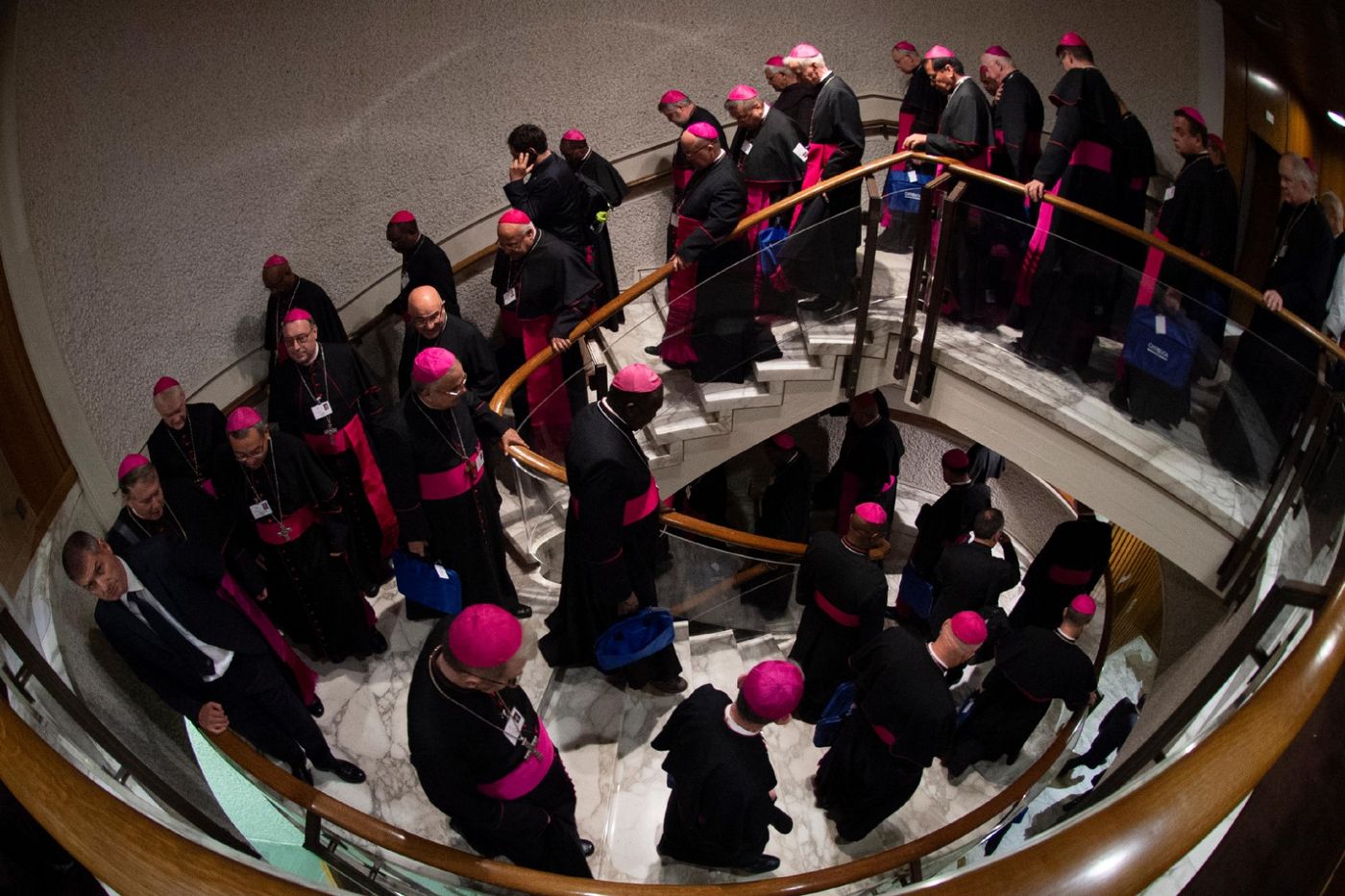
When Ireland’s bishops met last week for their spring meeting – virtually, due to the Covid-19 pandemic – the big announcement was that the Irish Church would have a National Synodal Assembly within the next five years. Ireland is following in the footsteps of Australia, where the country's Catholic bishops will be holding a Plenary Council beginning later this year; and Germany, which is in the middle of its own Synodal Way. Synodality has become the buzzword of the present pontificate – Pope Francis has used the Synod of Bishops as the chief tool of pushing his agenda. The post-Synodal Exhortation has even replaced the Encyclical as the main teaching tool of the Church. Of course, the chief question is: What does “synodality” mean? Despite eight years of hearing the word bandied about, the Vatican hasn’t quite offered a definition. In fact, the next meeting on the Synod of Bishops is slated to tackle this very issue, with the theme “For a synodal Church: communion, participation, and mission.” Traditionally, synods in the Church have been legislative. Bishops would get together elect bishops and pass laws their ecclesiastical territory. This is still what happens in the Eastern Catholic Churches – they are, simply put, short and boring bureaucratic devices. Even in the Latin Church, this was the purpose of the synod until they fell into disuse after the Reformation. Until recently, canon law mandated a diocesan synod be held once a decade, and the documentation shows this was to discuss ecclesiastical legislation in the local church. This law, however, was seldom observed.
6:27 PM
Walking Together, But ... Where?
when ireland’s bishops met last week for their spring meeting – virtually, due to the covid-19 pandemic – the big announcement was that the ...
Charles Collins

5 min read



Already a subscriber? Sign in
5freearticles every month
Continue reading with a free account. No card needed.
- Five free articles every thirty days, on any device you sign in on
- The Catholic Herald newsletter, every morning
- Subscribe whenever you like for everything: every article and the magazine
Related articles
 Chapter House
The Catholic world has a sycophancy problem
Excessive deference to Church authority can weaken scrutiny, candour and the willingness of the Catholic press to ask difficult questions
Thomas Colsy Chapter House
Thérèse: The hidden missionary to Muslims
Daniel Dominic Chapter House
Why the case for a united Ireland is gaining momentum
Peadar Tóibín Chapter House
‘Generation Leo’ takes shape in France
Bérengère Darlison Chapter House
What happened to the television audience Fulton Sheen once reached?
Christine Rousselle
subscribe to the catholic herald today
Our best content is exclusively available to our subscribers. Subscribe today and gain instant access to expert analysis, in-depth articles, and thought-provoking insights—anytime, anywhere. Don’t miss out on the conversations that matter most.
Subscribe



