

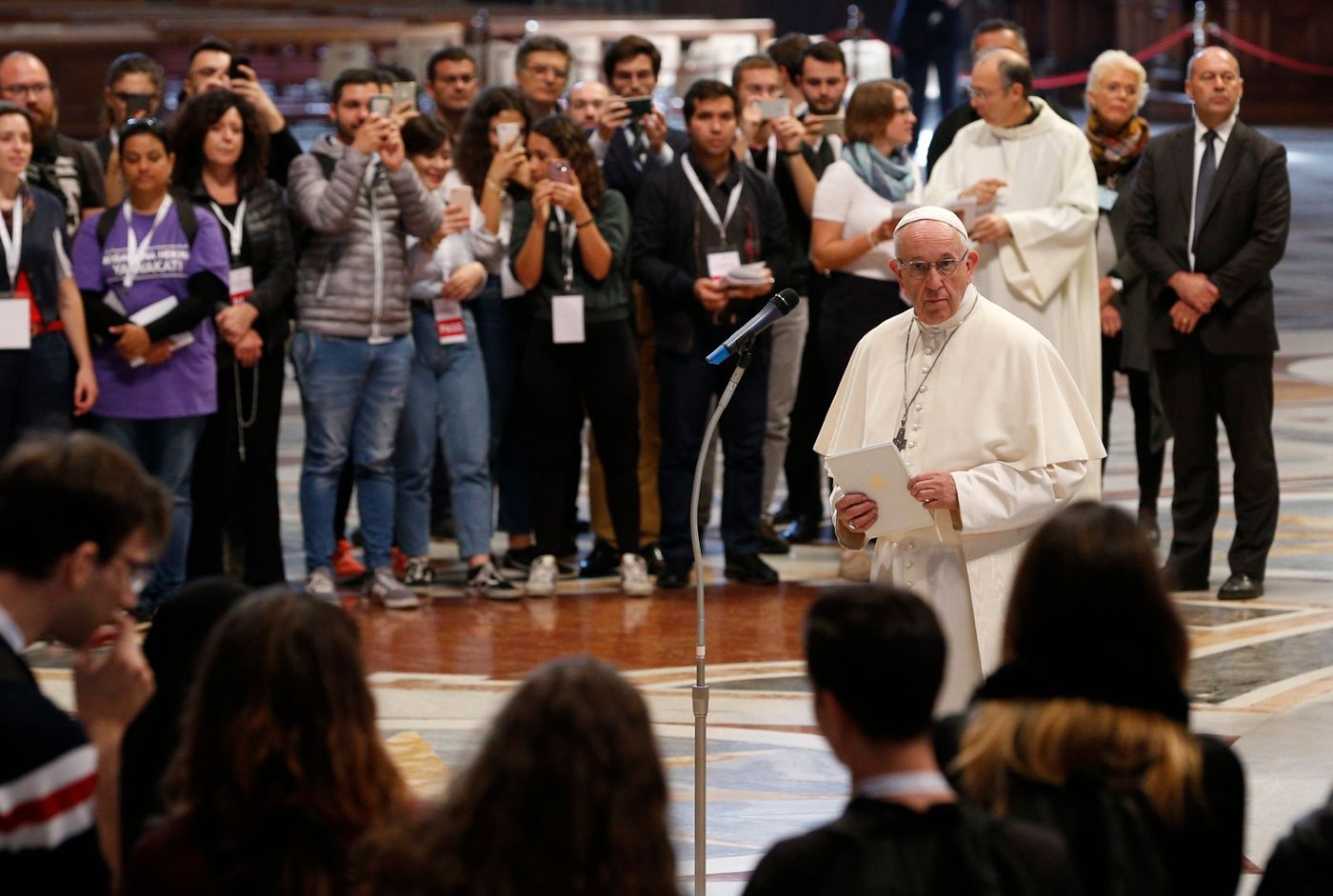
The main difference between this latest meeting of the Synod of Bishops and the last two, is that the ones in 2014/15 suffered some pretty heavy-handed manipulation outside the established rules and with some pretty obvious winking at procedural regularity, while this one came off according to the rules, and smooth as butter by comparison. In the 2014 and 2015 assemblies, the discounting of synod fathers’ voices — certain of them, at any rate — appeared to be a bug in the system. This time, it was the principal feature. The assemblies in 2014 and 2015 were in essence a trial run of the system that General Secretary Lorenzo Cardinal Baldisseri was designing (not without a good bit of help) and has now seen fully implemented and running. Historians can sort out whether conducting a trial run in two phases over a broad theme that was also a topic of major contention was part of the plan, or whether it was a miscalculation. In any case, the thing is done. People can debate whether the last few synod assemblies have been “rigged” or merely “manipulated”. The fact is that synods have always been closely managed affairs, and always will be: there is nothing new under the sun. The difference is that, in the Francis Era, we heard we would be getting transparency, fair dealing, and all manner of reform apt to make the voices of the faithful heard loud and clear from every quarter. We were told the Church was to be “synodal” and we were given to understand this would mean more participation from bishops in the governance of the Church and more participation from the faithful in the consultations that would precede major decisions. In fairness to Francis, he’s been clear and fairly consistent with regard to himself and his habits and his tastes, right from the start. From his shoes (he has a guy back in B’Aires) to his decision to live in the Domus Sanctae Marthae (he likes being around people) to his habit of standing in the lunch line and chatting with people (he likes it that way), he’s been frank: he’s an old dog, unable and uninterested in learning new tricks — and as a leader, his established mode of leadership is a mercurial one that flies from extreme micromanagement to extreme laissez faire and rarely pauses anywhere in between. His lieutenants and mouthpieces, however, promised an almost Aquarian age of transparency, listening, and participation: in a word, that the governance of the Church would finally be horizontal. When Pope Francis promulgated the Apostolic Constitution, Episcopalis communio — the special law controlling the Synod of Bishops — one thing was clear when it came to the issue of any synod assembly conducted under the new legislation: the Pope would be in charge. As far as any final document on Francis’s watch is concerned, that meant the Synod Fathers would end up saying whatever this Pope will have decided to say they said:
3:48 PM
We could guess the outcome of this Synod before it started
The Synod Fathers will end up saying whatever the Pope says they said
Christopher R. Altieri

4 min read



Already a subscriber? Sign in
5freearticles every month
Continue reading with a free account. No card needed.
- Five free articles every thirty days, on any device you sign in on
- The Catholic Herald newsletter, every morning
- Subscribe whenever you like for everything: every article and the magazine

subscribe to the catholic herald today
Our best content is exclusively available to our subscribers. Subscribe today and gain instant access to expert analysis, in-depth articles, and thought-provoking insights—anytime, anywhere. Don’t miss out on the conversations that matter most.
Subscribe



