


The Catholic Herald spoke to Michael Wee, a Catholic bioethicist based in Oxford, about some of the most widely discussed ethical dilemmas arising from the ongoing pandemic. Let’s start with a question on many people’s minds. If a healthcare system runs out of ventilators, for example, due to the sheer number of Covid-19 patients, how should doctors decide who to treat first? Even in ordinary circumstances, hospitals are always making choices about who to treat first because resources are never unlimited. Generally speaking, to save the most lives, you want to prioritise those whose conditions are the most serious and therefore need care most urgently. But when the demand for critical care overwhelms the system, then you have to allocate healthcare resources in a different manner in order to maintain the goal of saving the most lives. So, among patients needing a ventilator, for example, you might have to prioritise those most likely to recover. Potential clinical benefit becomes the main criterion for allocation decisions. In theory, many would accept this as a fair criterion. The challenge lies in putting it into practice. In relation to Covid-19, doctors would be looking at the presence of underlying conditions, as well as other risk factors like age, to assess the likelihood of treatment succeeding. However, it is easy to slip from making a clinical judgement about benefit into adopting a discriminatory attitude against certain patients. That is why the NHS has warned against “blanket policies” relating to age, disability or condition for access to treatment. Another danger is in adopting a tick-box approach to assessing patients – all too easy in a high-pressure situation, when holistic, individualised assessment might seem onerous. Evidence-based scoring systems are helpful but must not stand alone. It is also important to note that the criterion of clinical benefit is not absolute and should not be applied in a cold, utilitarian manner. One does not need to constantly remove ventilators from patients just because there are new patients who are slightly more likely to recover. Starting a treatment is like starting a new relationship, which requires trust, and there is virtue in finishing what one begins. Turning to a dilemma facing society more broadly, what are the ethics of continuing vs relaxing a lockdown? Is it possible to be saving lives at too great a cost?
3:52 PM
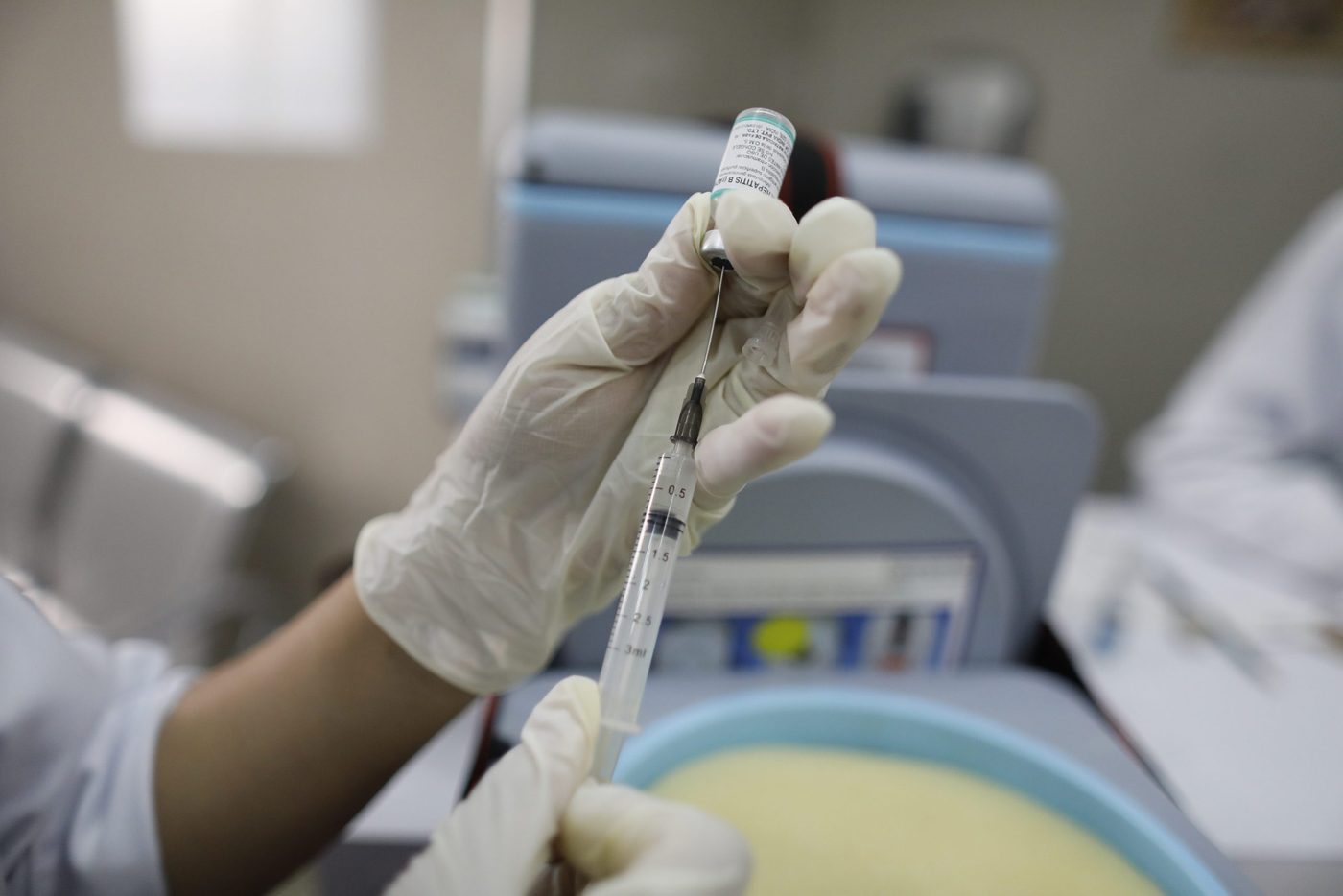
What if a vaccine has abortion links? And other ethical dilemmas
A Catholic bioethicist looks at some of the most widely discussed ethical dilemmas arising from the ongoing pandemic
Michael Wee

7 min read



Already a subscriber? Sign in
5freearticles every month
Continue reading with a free account. No card needed.
- Five free articles every thirty days, on any device you sign in on
- The Catholic Herald newsletter, every morning
- Subscribe whenever you like for everything: every article and the magazine



subscribe to the catholic herald today
Our best content is exclusively available to our subscribers. Subscribe today and gain instant access to expert analysis, in-depth articles, and thought-provoking insights—anytime, anywhere. Don’t miss out on the conversations that matter most.
Subscribe



