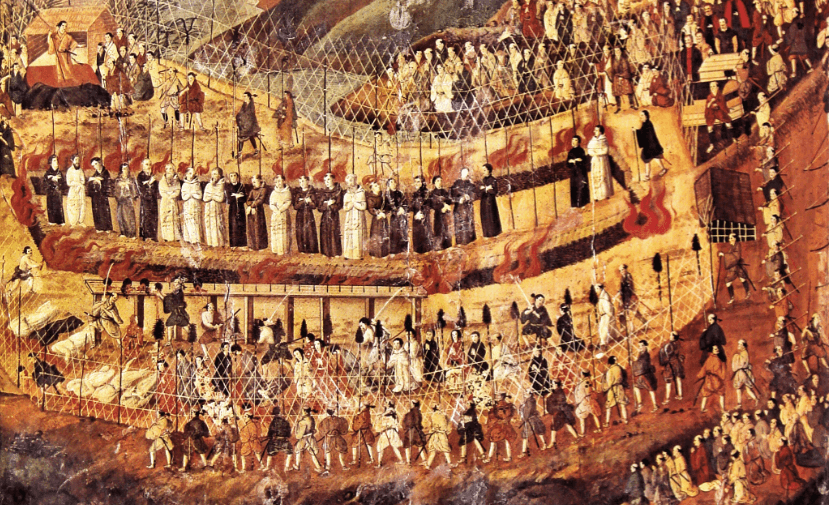





In late 1637, rebellion erupted in the Amakusa Islands in south-western Japan and quickly spread to the nearby Shimabara Peninsula. Thousands of people were involved and there was bloodshed aplenty, but we simply can’t be sure of why the catastrophe unfolded. Was it a “mundane peasant uprising”, asks Jonathan Clements, or a bold act of defiance stirred by the passions of Christian converts?
The locals clearly had their share of worldly grievances: a run of vindictive rulers had raised taxes to fund lavish building projects; farmers sometimes had to surrender 60 per cent of their crops; and famine stalked the land. All excellent reasons for a revolt, no doubt, but the religious motives of at least some of the insurgents is not hard to spot.