


August 24, 2026

Why Aristotle says you should stop punching your pillow

David Hahn
More
Related
Min read
share

In the wake of the Lindsay Clancy murder trial – a deeply tragic case involving a mother who allegedly murdered her three young children – many women have taken to the internet to post videos expressing their solidarity with Lindsay. Perhaps the most disturbing trend among these videos is women holding their own children, often in tears, with the caption, “Same, Lindsay. Same.”

Alongside that deeply disturbing trend, there has also been a similar rise in videos of women “venting” – screaming into pillows, throwing chunks of ice into a bathtub and otherwise physically expressing their anger. We seem to have lost our grasp on some of the most basic truths about human behaviour, concepts nearly as old as civilisation itself. So today, we’re going to take a look at habit: how repeated actions form our character and why venting is not a real solution to anger.


The idea that venting anger through some kind of outward exertion or expression is nothing new. Since around 2008, “rage rooms” – venues where people pay to smash a wide variety of objects with various implements – have become common in cities throughout the West, alongside “scream clubs”, whose name is largely self-explanatory. The promise of these spaces is simple: here’s a place to take the edge off your pent-up aggression, where nobody gets hurt.

A recent article from the Guardian also suggests some DIY methods of expressing anger, including throwing ice cubes, screaming underwater or beating a pile of coats with a wooden spoon.

I really hate to burst this rage bubble, but there is no good evidence that these activities reduce anger or aggression. In fact, there is considerable evidence to the contrary.

A 2024 meta-analysis based on 154 studies involving 10,189 participants found that activities which elevated heart rate were ineffective at decreasing anger. This was true even of non-violent activities like going for a run, and the results held regardless of gender, race, age or culture. More than simply being unhelpful, activities involving violent ideation actually exacerbated feelings of anger and aggression.

A 2002 study from Iowa State University similarly found that venting anger does not reduce aggression and can actually make it worse. The worst possible advice, the researchers concluded, was to tell people to picture the source of their anger and then physically act it out. Simulated violent ideation, they found, only made people angrier and more aggressive.

The activities that reliably helped reduce anger and produce relief were those that calmed the body – things like prayer, meditation and controlled breathing. It turns out that when you’re feeling excited, the way to resolve that excitement is not necessarily to indulge it.

To anyone familiar with the classical theory of virtue ethics, this comes as no shock. Man is a creature of habit. What we choose to do becomes easier the more often we choose to do it. The whole theory of moral virtue rests on the recognition that how we respond to our passions directly forms our character.

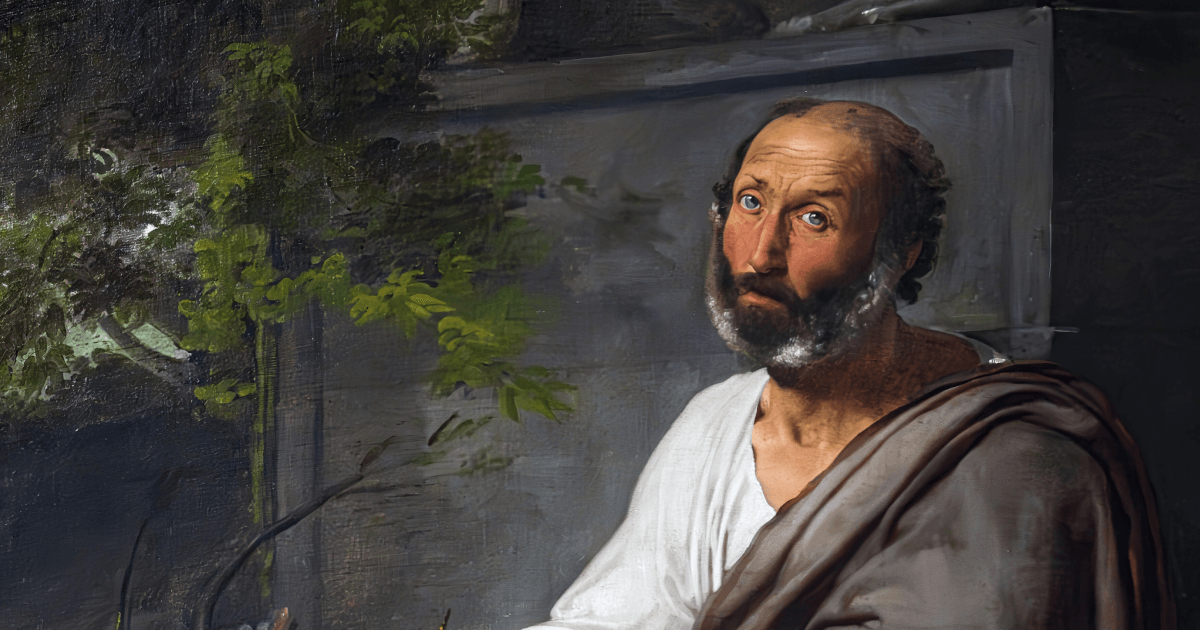
As Aristotle writes in the Nicomachean Ethics:

“By doing the acts that we do in the presence of danger, and being habituated to feel fear or confidence, we become brave or cowardly. The same is true of appetites and feelings of anger; some men become temperate and good-tempered, others self-indulgent and irascible, by behaving in one way or the other… Thus, in one word, states of character arise out of like activities.”

The passions have been well understood since antiquity, particularly the fact that desires, once indulged, become easier to indulge again. When we feel anger and choose to react aggressively, we habituate ourselves to that response – we develop an irascible character. The more times I cuss out a driver on the motorway or beat my steering wheel in frustration, the more disposed I become to respond that way again in the future.

Yet from the towering heights of our superior wisdom, our culture has jettisoned this ancient understanding and traded it for rage rooms and scream clubs. And while we cannot draw a straight line from these cultural trends to any particular act of violence, we should at least be asking what kind of people our habits are forming us into – and what kind of habits we are teaching people to cultivate.

It is important to remember that self-control is not self-oppression; it is self-possession. When we are angry and choose to restrain our anger rather than indulge it, we become more disposed to respond to anger reasonably the next time it arises. Anger is a powerful emotion, and one that is often employed out of season. In order to be free to employ anger rightly, we must first learn how to restrain it.

More broadly, we simply must regain our common sense. We must regain the common inherited wisdom of our forefathers. This is not some trivial exercise in antiquarianism. Our forebears understood human nature far better than we do ourselves – and, in many cases, they seem to have wished their children far better than we wish our own.

Continue reading with a free account

Create a free account to read up to five articles each month
Create free account

You have # free articles remaining this month.

Subscribe to get unlimited access.
Sign up

subscribe to the catholic herald today

Our best content is exclusively available to our subscribers. Subscribe today and gain instant access to expert analysis, in-depth articles, and thought-provoking insights—anytime, anywhere. Don’t miss out on the conversations that matter most.
Subscribe