





Linking Solomon to Stonehenge, the First Book of Kings is embedded in British culture, says Rosemary Hill.
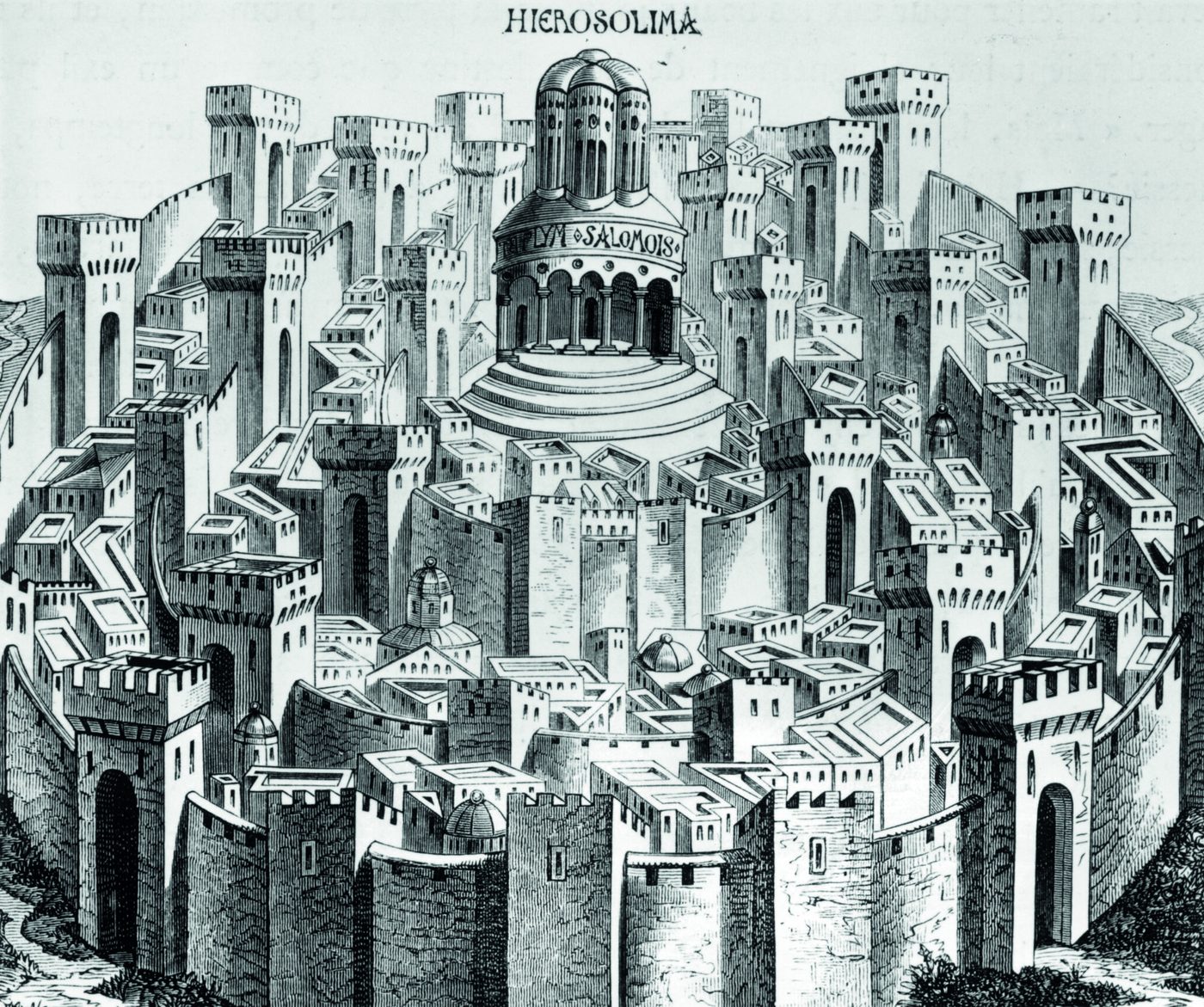
The First Book of Kings is not as poetic as Song of Songs, and I love the peculiarly feminine story in Ruth, of the love between mother- and daughter-in-law, but Kings I is the book that I have returned to most often in the course of my work as a historian. I write about the history of art and ideas and in 17th- and 18th-century Europe, Kings I lit a train of ideas that swept through philosophy, theology and architecture. It opens with the story of the last illness of King David and his choice of his son Solomon to succeed him. Solomon asked God for wisdom and his reign was, accordingly, by Old Testament standards, peaceful, a model of benign kingship. “God hath given me rest on every side,” as he put it to the King of Tyre, and he used this period of stability to build the first temple.