



✣ Highlights from the week online
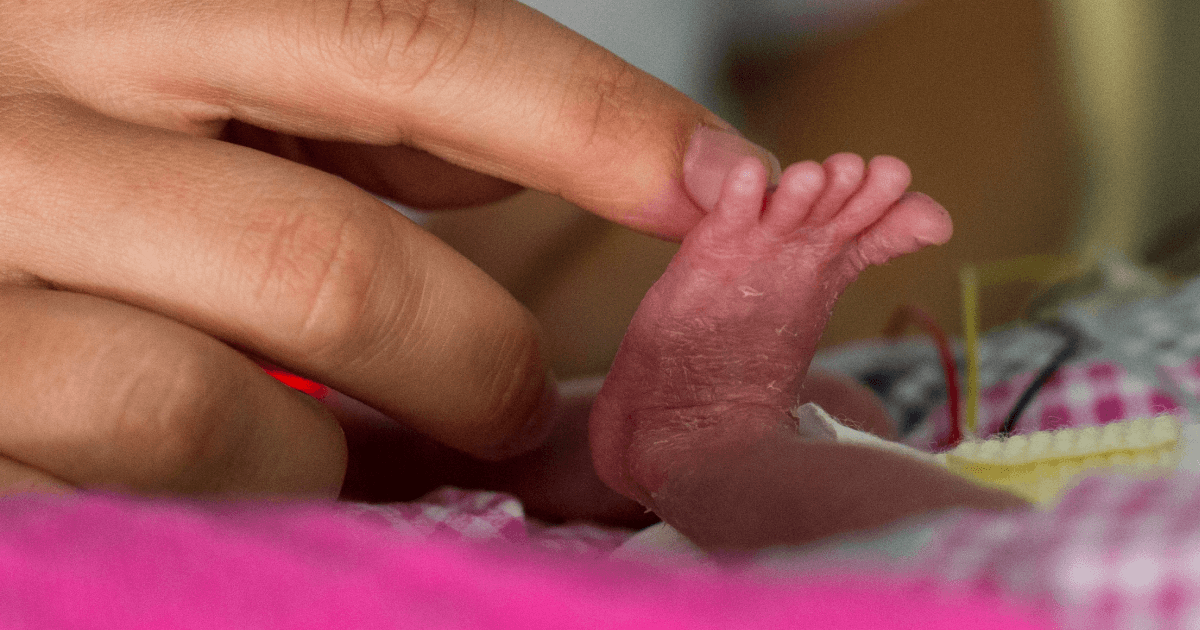
Reaching jaded hearts At the Catholic Voices site (cvcomment.org) Christopher White argued that, far from being “soft” on pro-life issues, Francis should be seen as one of the great pro-life popes. He wrote: “Francis is reframing the way much of the world has come to view the issue of abortion. “For years, the language in which those inside and outside of the Catholic Church have talked about abortion has been centred around the debate over a woman’s right to choose. Such rhetoric too often pits the woman against the child she is carrying to term. Francis is inviting the Church and the world to act in a way that recognises the intrinsic dignity of both parties.” Francis’s approach allows him to reach a new audience, White said, “and enables us to reach even the most jaded hearts in the most unlikely of places. His pro-life critics should be the first to recognise this and to heed his example.” Lax justice for the laity At Crux, John Allen asked why the Vatican has been so slow to deal with charges of sexual and other forms of abuse against the founder of Sodalitium Christianae Vitae, a lay movement in Peru. Concerns were first raised in 2011, but the Vatican’s Congregation for Religious has only just appointed a delegate to oversee a process of reform, “and it still has not imposed any ecclesiastical punishment on the founder, Luis Fernando Figari”. Although the Church has the authority “to dispense with the usual statute of limitations in Church law to prosecute sexual abuse cases”, he wrote, this only applies to clergy – and “Figari is a layman rather than a priest”. “In effect, what Catholicism seems to have evolved is a sort of two-track system of justice: swift and relatively certain punishment for most priests who commit abuse, and slower and more muddled consequences for everyone else,” he wrote. Shoulder-shruggers In the Big Issue, Brendan O’Neill recalled the nuns of his schooldays, and contrasted them with the “nones”, those with no religious belief, who now outnumber believers in Britain. “I find myself feeling almost nostalgic for the nuns I did so much to torment,” he wrote. Or at least for a time when people had deep beliefs, and were willing to organise their lives around them. What worries me about today’s none phenomenon is that it speaks not to a radical revolt against God, but to a decline in strong convictions of any sort; to a discomfort with passion and vigour in moral matters and a preference for shrugging one’s shoulders over the massive moral questions facing mankind.” Even as an atheist, he said, “I’d feel more comfortable hanging out with nuns, whose passions would at least clash with mine and stir up debate, than with nones.”