

In hindsight, Private Eye tapped deeply into the national consciousness back in February. On its cover it ran the terrifying painting Christ in Limbo by a follower of Hieronymus Bosch. The headline, in red, proclaimed: “How Britain will look after Brexit”. A speech bubble attached to a horrible creature spewing humans from its mouth said: “Mr Cameron did warn you this might happen.” The satirical magazine was, of course, lampooning apocalyptic predictions by some campaigners opposed to Britain leaving the European Union. But, like the best jokes, it lingered long after you grasped the punchline. It is now clear why: it anticipated the quasi-religious reaction to the leave campaign’s narrow victory last Friday. As what quickly became known as “referendum rage” spread across Britain’s social networks, an American observer tweeted: “This is what it looks like when a life-orienting faith (in this case: faith in [a] certain vision of progress) is shattered.” But sublimated religious instincts were evident not only within the remain camp. Some voted leave because they were disenchanted with the cold, distant, technocratic leadership of the EU. They longed for a warmer, more intimate community based on something deeper than an alignment of economic interests. Pope Francis has anticipated the prevailing public mood well. Ever since his election he has tried to narrow the gap between leaders and the led. That, perhaps, is the hidden purpose behind his chatty, maverick style. He recognises that many see the Church as a remote, affectless institution and that is why he insists that it act like a tender mother. Hence also his emphasis on mercy, which, he says, “makes the world less cold and more just”. Long before most, the Pope grasped who feels most alienated from the bureaucratic order: the poor. Through his personal example, he is encouraging Catholics to commit themselves radically to the needy. Commentators have described the leave victory as a “working-class revolt”. Could it be that the Catholic Church is called, at this turning point in British history, to dedicate itself anew to the poor? Could Catholics span the gulf between the rulers and the ruled, which the vote has dramatically exposed? As a “new Britain” emerges, the Church must play what Benedict XVI called a corrective role. In his 2010 speech at Westminster Hall (worth re-reading now), he identified an alarming weakness of 21st-century Western democracies. “If the moral principles underpinning the democratic process are themselves determined by nothing more solid than social consensus,” he said, “then the fragility of the process becomes all too evident – herein lies the real challenge for democracy.” The “fragility of the process” is painfully evident to Britons this week. But we must shun despair: our faith can supply the moral underpinning our nation needs, if we articulate it as clearly and confidently as possible. The alternative – becoming a more cautious and inward-looking community – would be a betrayal of the common good. As Benedict XVI put it: “Without the corrective supplied by religion ... reason too can fall prey to distortions, as when it is manipulated by ideology, or applied in a partial way that fails to take full account of the dignity of the human person.” Catholics are often described as Britain’s largest minority. As followers of Jesus Christ, in communion with a billion others around the world, we must be a reconciling, outward-looking and creative minority.
1:00 PM
A new calling for the Church
The Catholic Herald

5 min read



Already a subscriber? Sign in
5freearticles every month
Continue reading with a free account. No card needed.
- Five free articles every thirty days, on any device you sign in on
- The Catholic Herald newsletter, every morning
- Subscribe whenever you like for everything: every article and the magazine
Related articles
 Newsroom
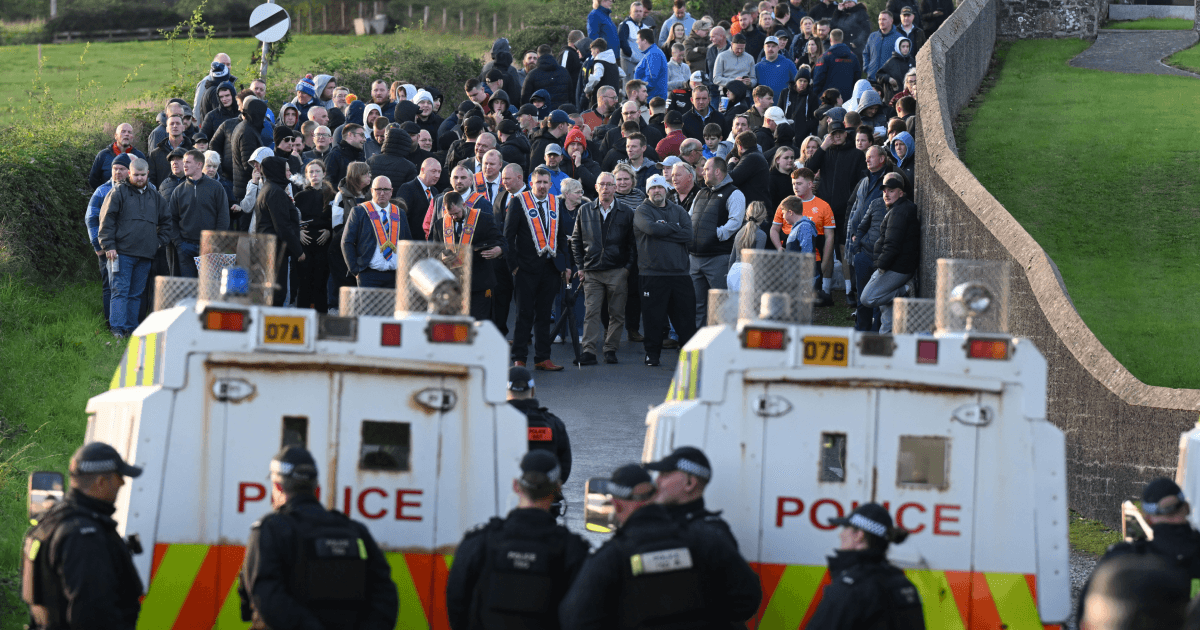
Church leaders urge Drumcree dialogue: ‘Too much is at stake’
The Catholic and Church of Ireland Archbishops of Armagh have urged a renewed commitment to peace and reconciliation amid the Drumcree stand-off
Corrie Douglas-Young Newsroom
Thousands of Irish children to join global Rosary campaign
Corrie Douglas-Young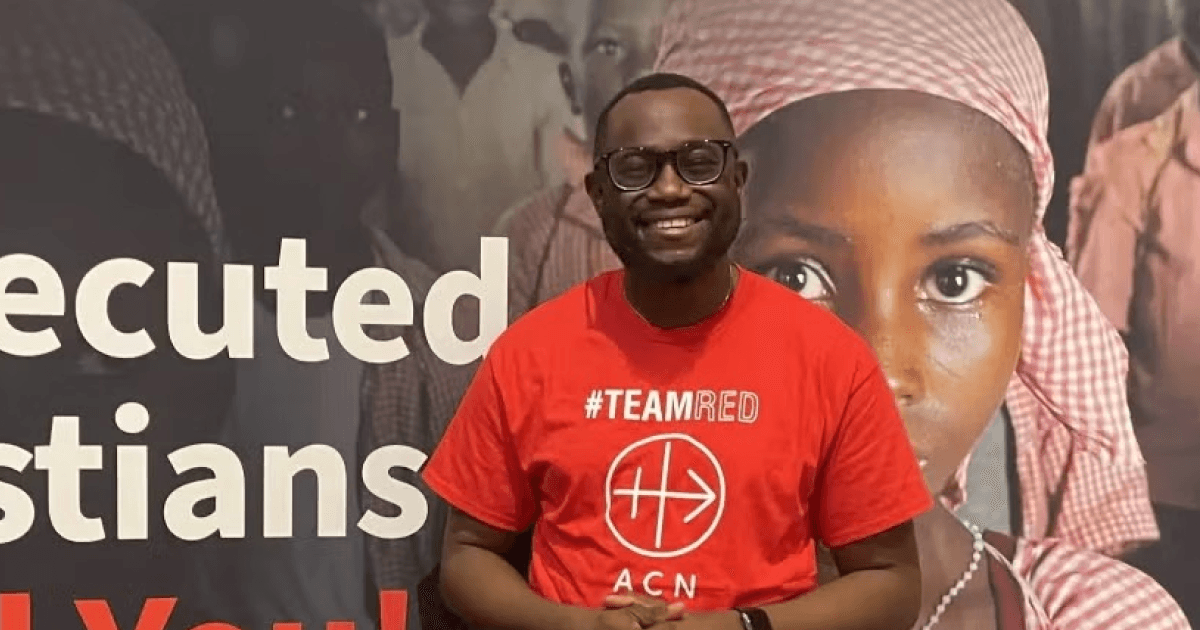 Newsroom
TikTok priest urges young people to stand with persecuted Christians
Nathalie Raffray Newsroom
Baby born at 25 weeks reunites with neonatologist two years after leaving hospital
The Catholic Herald Newsroom
Joe Biden honoured by Planned Parenthood after defending abortion rights
Christine Rousselle
subscribe to the catholic herald today
Our best content is exclusively available to our subscribers. Subscribe today and gain instant access to expert analysis, in-depth articles, and thought-provoking insights—anytime, anywhere. Don’t miss out on the conversations that matter most.
Subscribe



