


In his memorable article for the Catholic Herald last December, Cardinal George Pell predicted that Vatican financial reformers would “find some static on the lines” in 2015. So it has proven. Not one, but two sensational books have appeared in Italy claiming that corruption still has free rein in the Eternal City. The Vatican has responded with an iron fist: putting five people, including two journalists, in the dock, accused of leaking confidential documents. (All five deny the charges and the trial was ongoing as we went to press.) Both Cardinal Pell, prefect of the Secretariat for the Economy, and Pope Francis remain undaunted. We know that because on Saturday the Vatican announced the first external audit of its assets. This will be conducted by Pricewaterhouse Coopers, one of the Big Four accounting firms, and will begin immediately. The external audit is significant. Cardinal Pell provoked uproar in some quarters of the Vatican when he revealed in his article that his team had discovered hundreds of millions of euros “tucked away in particular sectional accounts”. Some officials claimed the cardinal was accusing them of wrongdoing over the “missing millions”. In fact, he blamed the Vatican’s traditionally loose structures. “Congregations, Councils and, especially, the Secretariat of State enjoyed and defended a healthy independence,” he wrote. “Problems were kept ‘in house’ (as was the custom in most institutions, secular and religious, until recently). Very few were tempted to tell the outside world what was happening, except when they needed extra help.” The cardinal’s observations were confirmed by a financial statement this year which showed that Vatican departments possessed €1.1 billion (£791 million, $1.2 billion) of assets previously undeclared on any balance sheet. The external audit will give Cardinal Pell and Pope Francis – and, one hopes, eventually the wider world – a true picture of the Vatican’s assets. The exercise will not only discourage officials from squirrelling away cash, it will also serve the ultimate goal of the reforms: freeing up more money for charitable works. If the Vatican can get its financial house in order, it’s likely that millions of the world’s poorest will benefit. The audit should also help Vatican financial planners to look confidently to the future. In his article, Cardinal Pell expressed concern about the Vatican pension fund, which, he said, “needs to be strengthened for the demands on it in 15 or 20 years”. At the cardinal’s suggestion, the Pope has now created a “Working Party for the Economic Future”. This will bring together the Secretariat of State, the Vatican bank and other agencies “to address the financial challenges and identify how more resources can be devoted to the many good works of the Church, especially supporting the poor and vulnerable”. It will be interesting to see how well these traditionally independent bodies are able to cooperate for the greater good. The latest wave of negative publicity about Vatican finances should not unduly alarm Catholics around the world. We can be confident that, despite meeting pockets of resistance, the reformers are basically winning. On his flight home from Africa, Pope Francis rightly gave a great deal of credit to Benedict XVI for launching the financial purge. He left little doubt that he intends to finish what his predecessor began. According to Gianluigi Nuzzi, one of the two journalists currently on trial at the Vatican, Francis was aghast when he was informed about the Vatican’s financial troubles shortly after his election. During one meeting, the Pope reportedly said: “If we don’t know how to look after money, which you can see, how can we look after the souls of the faithful, which you can’t see?” That’s a question all Vatican officials should keep before them in 2016 as the reforms enter their most decisive – and perhaps most painful – phase.
2:00 PM
A battle that is almost won
The Catholic Herald

5 min read



Already a subscriber? Sign in
5freearticles every month
Continue reading with a free account. No card needed.
- Five free articles every thirty days, on any device you sign in on
- The Catholic Herald newsletter, every morning
- Subscribe whenever you like for everything: every article and the magazine
Related articles
 Newsroom
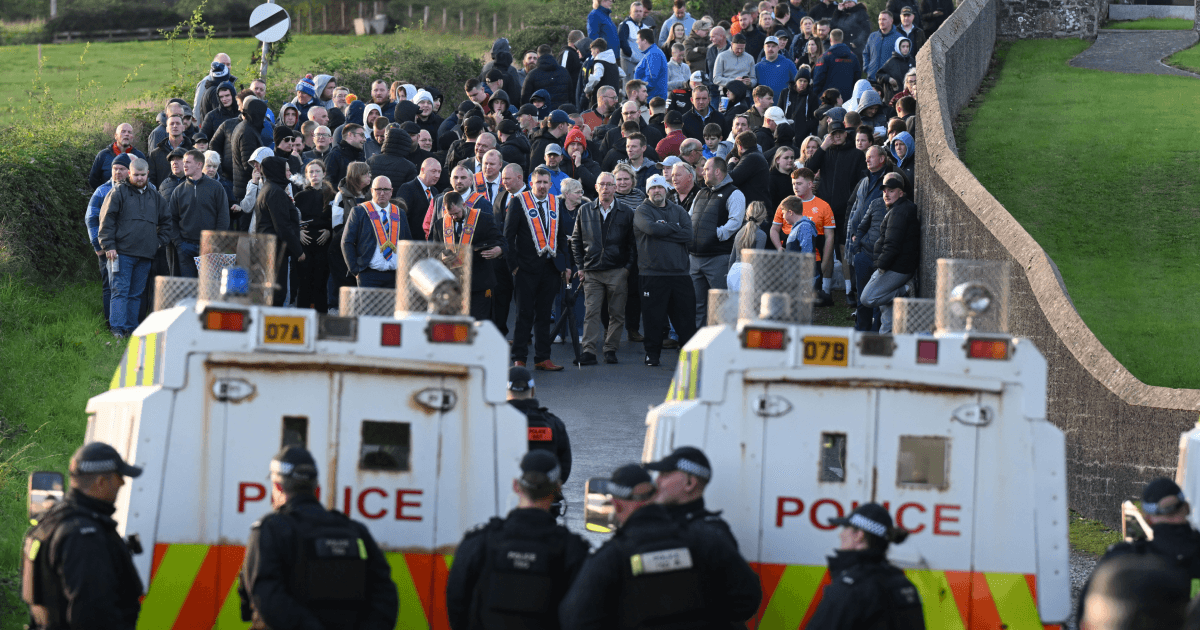
Church leaders urge Drumcree dialogue: ‘Too much is at stake’
The Catholic and Church of Ireland Archbishops of Armagh have urged a renewed commitment to peace and reconciliation amid the Drumcree stand-off
Corrie Douglas-Young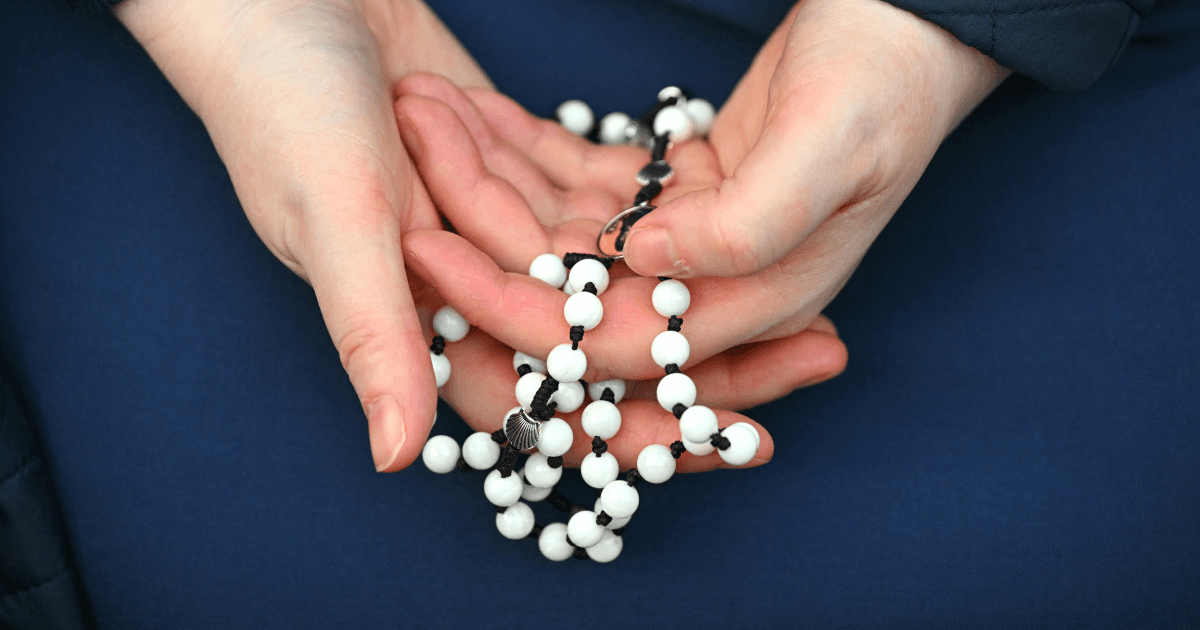 Newsroom
Thousands of Irish children to join global Rosary campaign
Corrie Douglas-Young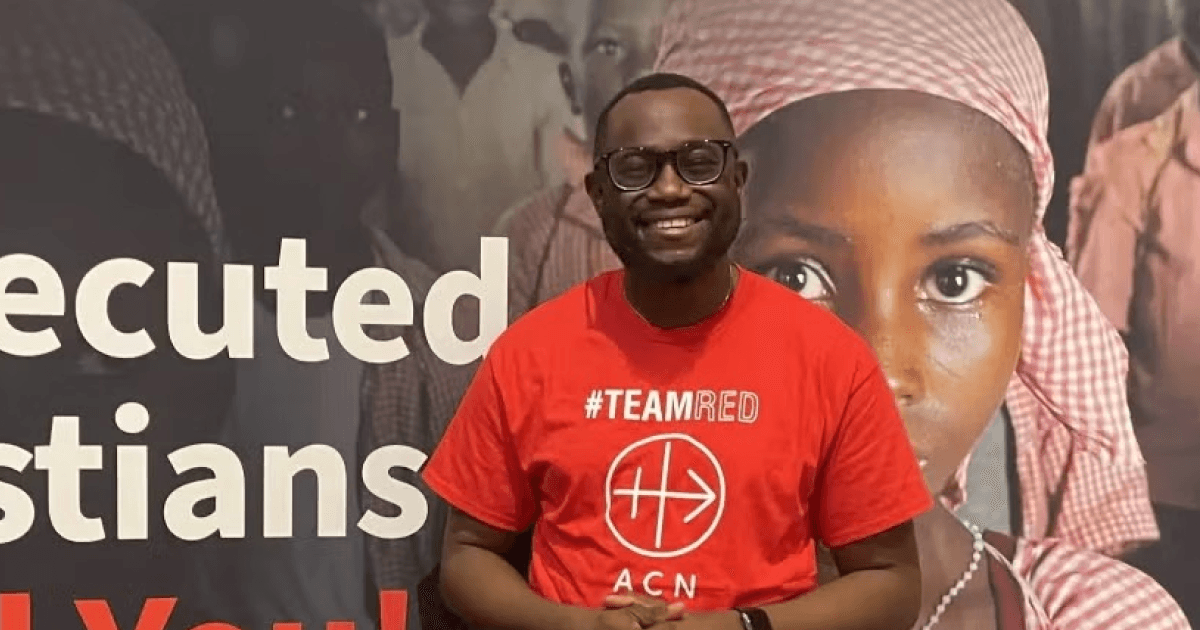 Newsroom
TikTok priest urges young people to stand with persecuted Christians
Nathalie Raffray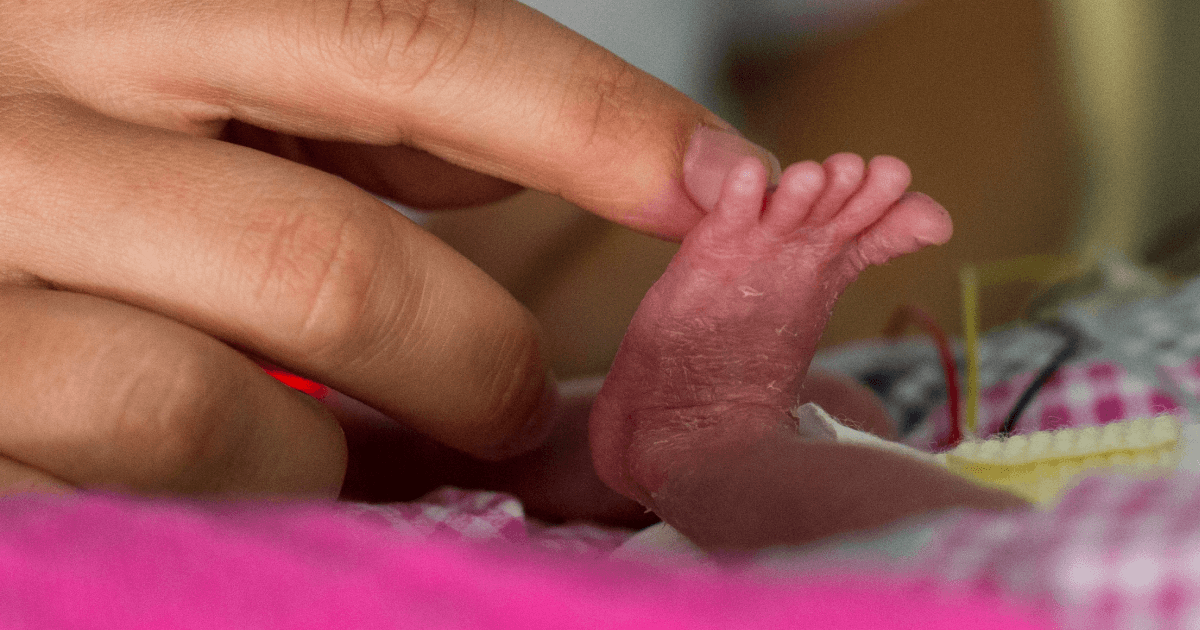 Newsroom
Baby born at 25 weeks reunites with neonatologist two years after leaving hospital
The Catholic Herald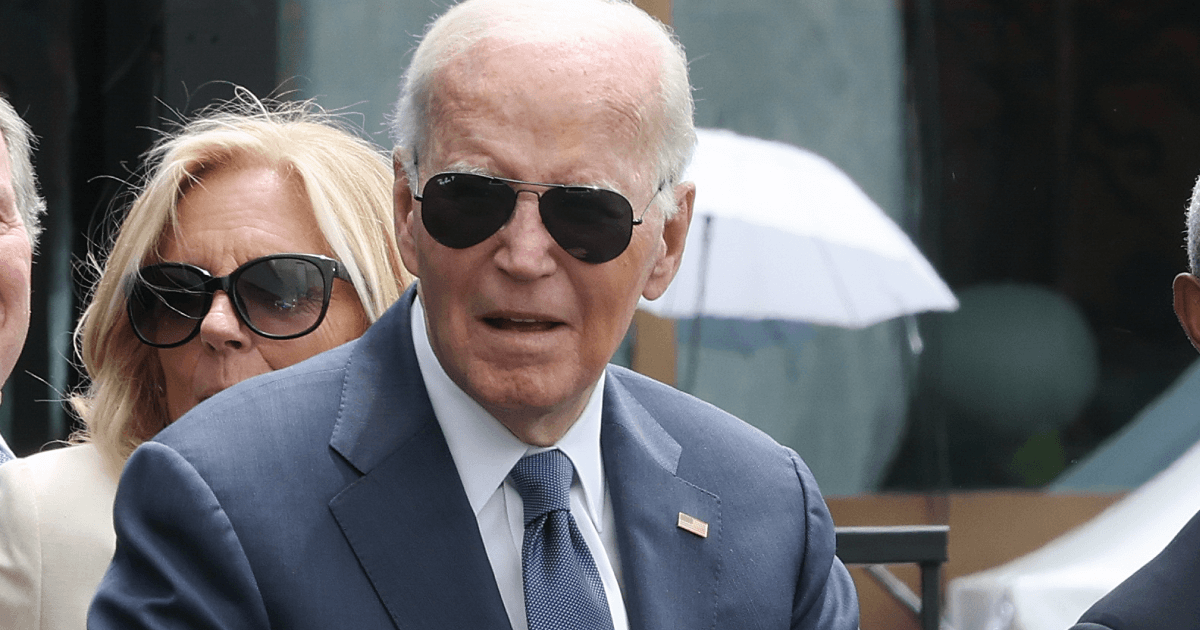 Newsroom
Joe Biden honoured by Planned Parenthood after defending abortion rights
Christine Rousselle
subscribe to the catholic herald today
Our best content is exclusively available to our subscribers. Subscribe today and gain instant access to expert analysis, in-depth articles, and thought-provoking insights—anytime, anywhere. Don’t miss out on the conversations that matter most.
Subscribe



