

Shortly before the papal plane touched down in Havana, a photo appeared on the internet purporting to show the historic encounter between Pope Francis and Patriarch Kirill. The image presented the Bishop of Rome and the Patriarch of Moscow in full ecclesiastical dress chatting in an empty airport café over a lukewarm cappuccino. That picture was, of course, Photoshopped, but it captured the oddness of last week’s momentous tête-à-tête. History will record that the first pope-patriarch meeting in history took place at the José Martí International Airport in Havana. Why did the men decide to meet, as The Economist put it, in “secular premises in a Marxist-run island”? According to the Moscow Patriarchate, it was because the rift between Catholics and Orthodox Christians opened in the Old World, but reconciliation must begin in the New. There are less poetic reasons, too. Russia and Cuba remain close and the latter’s communist regime treats the Patriarch with the utmost respect. The day after the papal meeting Kirill received Cuba’s highest honour from Raúl Castro. Francis also has a surprising bond with the grim-faced dictator and an evident love of the Cuban people. The secular setting was actually an advantage: there was no need to worry about who would sit where in a cathedral or whether the two men would pray together in public (the Russian side made clear this would be unacceptable). The meeting itself was largely private, but the lengthy common declaration released immediately afterwards suggests the men discussed the persecution of the Middle Eastern faithful, the need for a joint defence of Christian values and Catholic-Orthodox tensions in Ukraine. The meeting and the text clearly represent a major ecumenical breakthrough. Francis should be praised for achieving something his predecessors could only dream of. Patriarch Kirill ought to be applauded for defying intense anti-Catholic sentiment within the Russian world. But amid the euphoria searching questions are being asked. Did the Vatican give too much away in return for the longed-for encounter? Has Moscow elbowed aside Constantinople as Rome’s chief Orthodox interlocutor? Has the Vatican betrayed the Ukrainian Greek Catholic Church, the target of much Muscovite ire? According to several commentators the answer to these questions is a qualified yes. Vatican watcher John Allen believes that “Kirill got far more out of Friday’s meeting than Francis”, while our own analyst, Fr Mark Drew, says that “Moscow now looks like it has been accepted by Rome as privileged partner in the dialogue, at the possible expense of Constantinople”. The Ukrainian Catholic Major Archbishop Svyatoslav Shevchuk, meanwhile, reports that the text “led to deep disappointment among many believers in our Church and other concerned Ukrainians”. The Vatican is likely to urge critics to take the long view: not to judge the meeting now, but in five, 10 or a hundred years, when pope-patriarch meetings may well be routine. There is much wisdom in this, but it is right that such a significant event receives proper scrutiny. According to a famous Russian proverb, “a stranger’s soul is like a dark forest”. That’s a saying Rome should bear in mind as it seeks to deepen its friendship with Moscow.
12:00 PM
A coup for Cuba
Staff writers

5 min read



Already a subscriber? Sign in
5freearticles every month
Continue reading with a free account. No card needed.
- Five free articles every thirty days, on any device you sign in on
- The Catholic Herald newsletter, every morning
- Subscribe whenever you like for everything: every article and the magazine
Related articles
 Newsroom
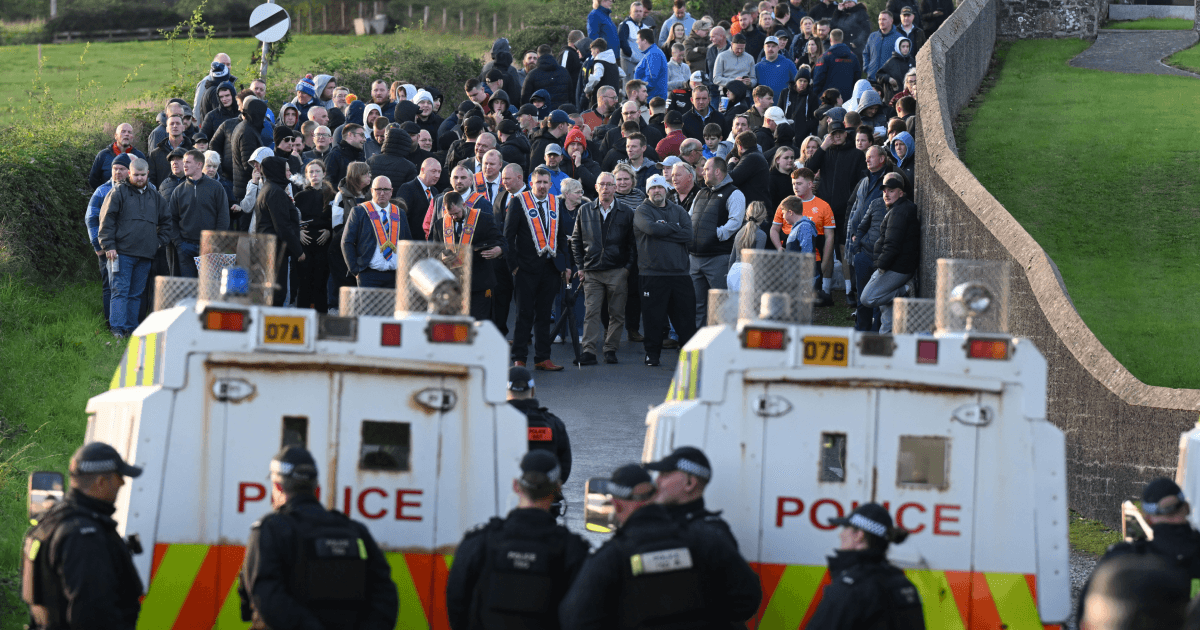
Church leaders urge Drumcree dialogue: ‘Too much is at stake’
The Catholic and Church of Ireland Archbishops of Armagh have urged a renewed commitment to peace and reconciliation amid the Drumcree stand-off
Corrie Douglas-Young Newsroom
Thousands of Irish children to join global Rosary campaign
Corrie Douglas-Young Newsroom
TikTok priest urges young people to stand with persecuted Christians
Nathalie Raffray Newsroom
Baby born at 25 weeks reunites with neonatologist two years after leaving hospital
The Catholic Herald Newsroom
Joe Biden honoured by Planned Parenthood after defending abortion rights
Christine Rousselle
subscribe to the catholic herald today
Our best content is exclusively available to our subscribers. Subscribe today and gain instant access to expert analysis, in-depth articles, and thought-provoking insights—anytime, anywhere. Don’t miss out on the conversations that matter most.
Subscribe



