Outside of the hectic days surrounding the papal funeral and conclave of 2025, there have been few weeks in recent years more momentous than this past one when it comes to ecclesial news. From the stifling heat of a Roman consistory in high summer to the sweeping mountains of Écône at the seminary of the Society of Saint Pius X (SSPX), the last seven days have been a whirlwind.
In the end, five months of watching and waiting ended as many had expected – with the SSPX performing the episcopal consecrations of four new bishops against the will of the Pope. Negotiations having broken down in mid-February, there was but limited expectation that a resolution could be reached before the firm date of July 1, especially given the military-like precision and preparation of the Society’s event planning.
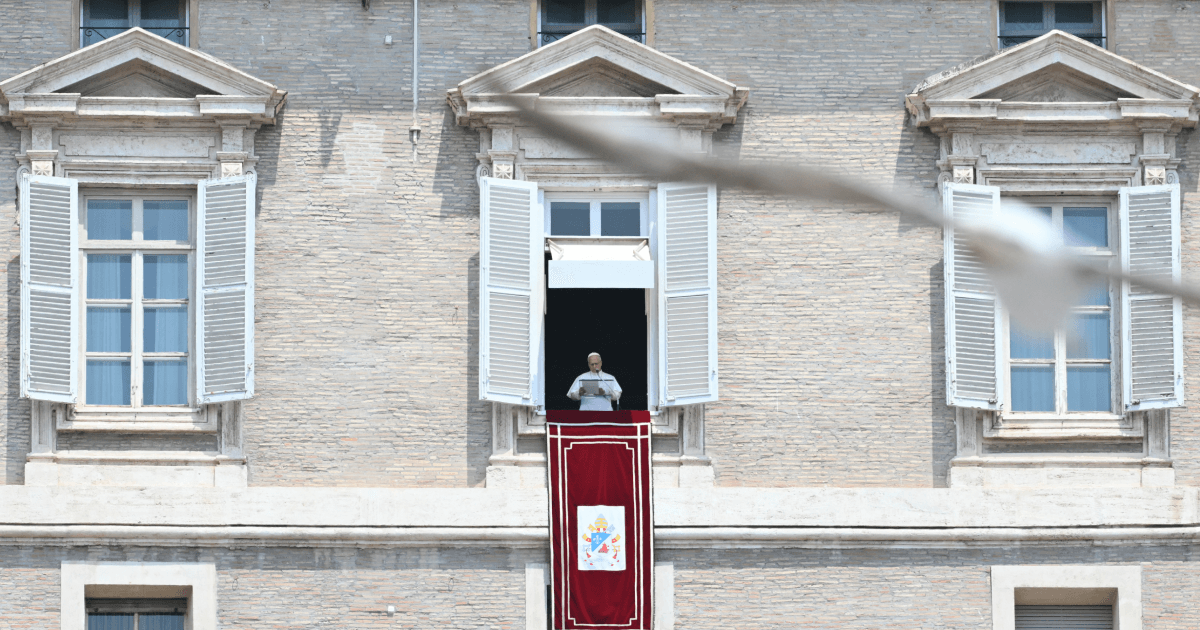
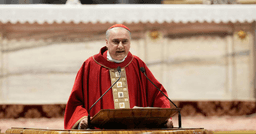
In the end, it seemed that the past weekend’s consistory provided the platform for the topic to be raised in front of the College of Cardinals, thanks to Cardinal Gerhard Müller’s intervention. The former prefect of the Dicastery for the Doctrine of the Faith (DDF) told me afterwards that his speech prompted no follow-up discussion, but it was a few days later, on Tuesday morning, that Pope Leo finally broke his silence and sent a letter to the Society.
For many priests and faithful of the Society, the papal note was too little, too late. True, he promised “dialogue”, writing that “the Church is open to a path of dialogue and understanding that the Holy Spirit can make possible and fruitful”. The SSPX’s response was cordial, even filial, but showed its resolve to continue with the consecrations and leave it up to the Pope to grant them the mandate or not.
“We believe it to be our very duty to do everything possible to mend Christ’s seamless garment, torn by forces and pressures incompatible with a truly Catholic spirit,” wrote SSPX Superior General Fr Davide Pagliarani.
This was a theme echoed by the Superior General the next morning as he delivered the homily for the consecration Mass. It was, he said, an event of “exceptional means which are proportionate to the needs of the Church today”.
It was “profound joy” and hope, rather than sorrow or concern, which were predominant amongst those gathered in Écône this week. To the two bishops remaining from the 1988 consecrations – Alfonso de Galarreta and Bernard Fellay – are thus now added four more: Pascal Schreiber, Michael Goldade, Michel Poinsinet de Sivry and Marc Hanappier.
There were mixed signals, too, both from the Vatican and the Society. With the Society having just last week issued a profession of faith and loyalty to the Church, newly consecrated Bishop Goldade then appeared to contradict the spirit of that profession when he stated polemically that “if the Catholic Church in her Tradition brings forth life, the modernist church is a desert that kills everything that it touches”.
Then there was Leo’s letter sent on Tuesday, in which he warned that the planned consecrations would lead to the deprivation of “the licit and, in some cases, even valid reception of the Sacraments”. Yet during the consecration ceremony itself, the DDF prefect wrote to me expressing his firm belief that dialogue with the Society would be possible in the future, but would need time. The natural takeaway from such correspondence being that if the Holy See expected to tempt the SSPX back to the table, then it would have to be restrained in the penalties it had threatened.
But that was decidedly not the case. Just 24 hours after the ceremony, the Holy See published a Decree confirming the automatic excommunication of all six SSPX bishops, while warning that priests and faithful who joined the schism would incur the same penalty. An accompanying Note went further, attesting that the SSPX clergy are in fact already in schism and excommunicated, and warning that lay attendees could readily be deemed to be the same.
However, large questions remain on this front especially, given that the Vatican’s own determination of whether a lay person attending an SSPX Mass is in schism involves a judgement of the internal forum, which only the individual can make.
Fernández has also contradicted himself – characteristically – in that his Note cited a 1996 Note from the Holy See which outlined that, under certain conditions, one could attend SSPX liturgies and not be deemed to have incurred any penalty or “formally” adhered to the schism. Yet hours later, in publishing the “process of reconciliation” for SSPX clergy and faithful to leave the Society, Fernández included the stipulation that they must commit not to attend Society liturgies.
As has happened so often under Fernández’s tenure at the DDF, questions about the legal accuracy of the texts he publishes are already being raised, including by canonists.
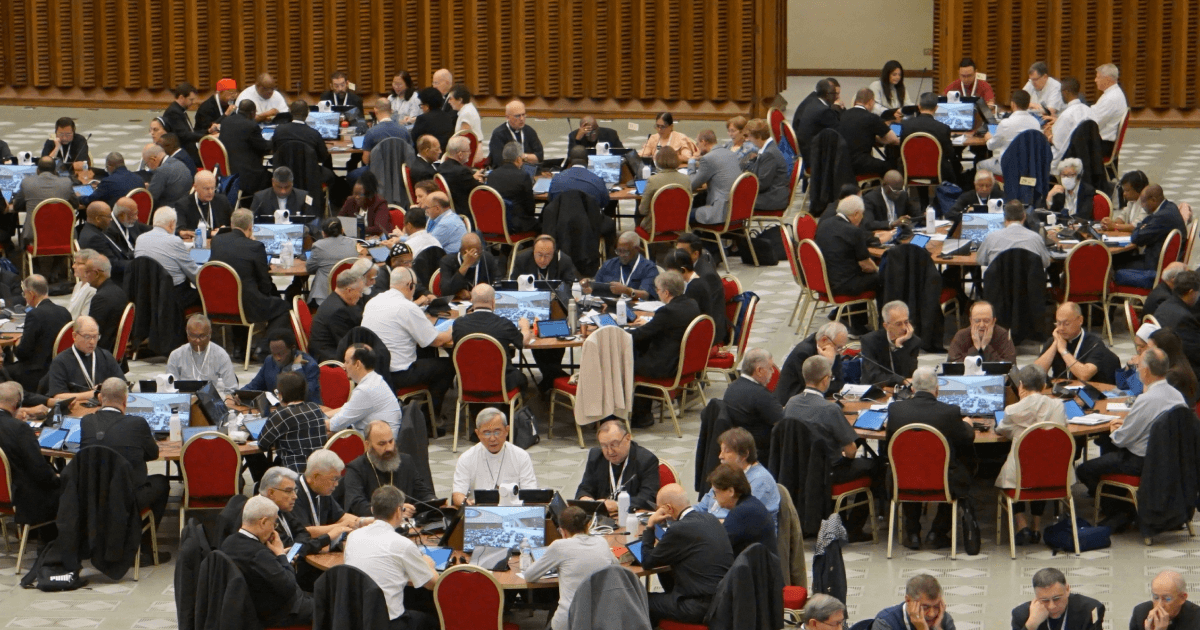
Small wonder, therefore, that with such immense focus on the mountains of Switzerland, the events of last weekend’s consistory have taken a back seat. But this is only natural, especially when the discussion topics were moderately bland and ignored nearly all of the major crises prevalent in the Church today.
Cardinals entering the consistory told fellow journalists that they did not have anything particular to say, since the agenda did not lead to natural or useful discussion. In the end, it seems the real fruit of the consistory was the friends the cardinals all made along the way, and, bland as that may sound, it is arguably Leo’s chief aim with such meetings at this stage in his pontificate.
The week also saw a curial shake-up at the Dicastery for Promoting Integral Human Development (IHD), with the current secretary, Sister Alessandra Smerilli, replacing Cardinal Michael Czerny as prefect. Leo’s appointment essentially saw all the superiors in the Dicastery move up by one position, meaning that Sister Smerilli is now the second Religious sister to lead a Vatican dicastery while having a cardinal as pro-prefect – both subordinate to her authority yet also above her in sacramental orders.
It is an arrangement first instituted by Pope Francis as a result of his curial reforms of 2022, but has left both sides of the debate unhappy. Liberal activists are disappointed that the appointment does not go far enough in their ultimate goal of female ordination, while conservatives warn that the appointment itself undermines the traditional nature of Holy Orders being linked to curial governance and encourages the female ordination campaign.
The Dicastery is a fairly young office, responsible for handling much of the Vatican’s social outreach programmes, and under Czerny’s leadership has been viewed as one of the more left-leaning offices in the Curia. Smerilli’s leadership is unlikely to change the current status quo in the Dicastery.
Michael Haynes is an English journalist in the Holy See Press Corps. He serves as Vatican Correspondent for the Catholic Herald, while readers can follow him at Per Mariam and on X/Twitter @MLJHaynes.