

It is arguably thanks to one man that up to two million youngsters will gather in a field outside Kraków on Sunday for the closing Mass of World Youth Day. He will not be there in person, of course, but will certainly be present in spirit. For it was in the southern Polish city, and its verdant surroundings, that he began an unconventional mission that has touched the lives of millions. The communist authorities at the time strongly discouraged Catholic youth ministry. They wanted a monopoly on the hearts and minds of Poland’s youngsters. The charismatic young priest would need to use all his considerable creativity to draw the city’s teenagers deeper into the life of the Church. To succeed, he had to engage in subterfuge. On camping trips he asked his young companions to call him “Uncle”, rather than “Father”, so as not to arouse suspicions. He celebrated Mass for them by the riverside, unobserved, on an improvised altar, with two paddles bound together to form a cross. Working within these severe constraints, in an atmosphere of constant fear, the priest created a new form of youth ministry. He truly shared, as Vatican II would put it years later, in “the joys and the hopes, the griefs and the anxieties” of his young flock. Decades before the phrase “pastoral accompaniment” became popular, he walked beside youngsters as they made life-defining decisions: pursuing marriage, priesthood or the religious life. The priest ensured that when they thought of the Church years later they wouldn’t picture a grey edifice, but a friendly human face. Youth ministry is never easy, but everyone who has ever struggled to pass on the faith to young people should take heart from the story of Fr Karol Wojtyła. He faced far greater obstacles than we are ever likely to – and overcame them all. After he was elected pope, John Paul II applied what he had learned in Kraków on a global scale. He came up with the idea of an annual World Youth Day in 1985. The event began modestly – as youth work tends to – with a celebration in dioceses in 1986. A year later, World Youth Day hit the road, moving first to Buenos Aires and then to Santiago de Compostela and Częstochowa. In Denver in 1993, the initiative faced its first great challenge. Up to then, World Youth Day venues had been safe bets: capital cities in majority Catholic countries or world-famous shrines. Could the event be staged successfully in a largely Protestant country in a city hardly synonymous with Catholicism? Yes, it could. A decade later, Archbishop Charles Chaput said that Denver was “dramatically different” as a result of World Youth Day and the city’s two seminaries were now “literally running out of room for candidates”. The impact wasn’t confined to the host city. Countless young pilgrims returned to their home countries to test their vocations. In Britain today it is rare to find a seminarian or candidate for religious life who has never attended World Youth Day. As pilgrims kneel in Kraków’s “Mercy Field” during the papal Mass on Sunday, we should say a little prayer of thanksgiving for this astonishing gift to the Church.
1:00 PM
A great man’s gift
Staff writers

5 min read



Already a subscriber? Sign in
5freearticles every month
Continue reading with a free account. No card needed.
- Five free articles every thirty days, on any device you sign in on
- The Catholic Herald newsletter, every morning
- Subscribe whenever you like for everything: every article and the magazine
Related articles
 Newsroom
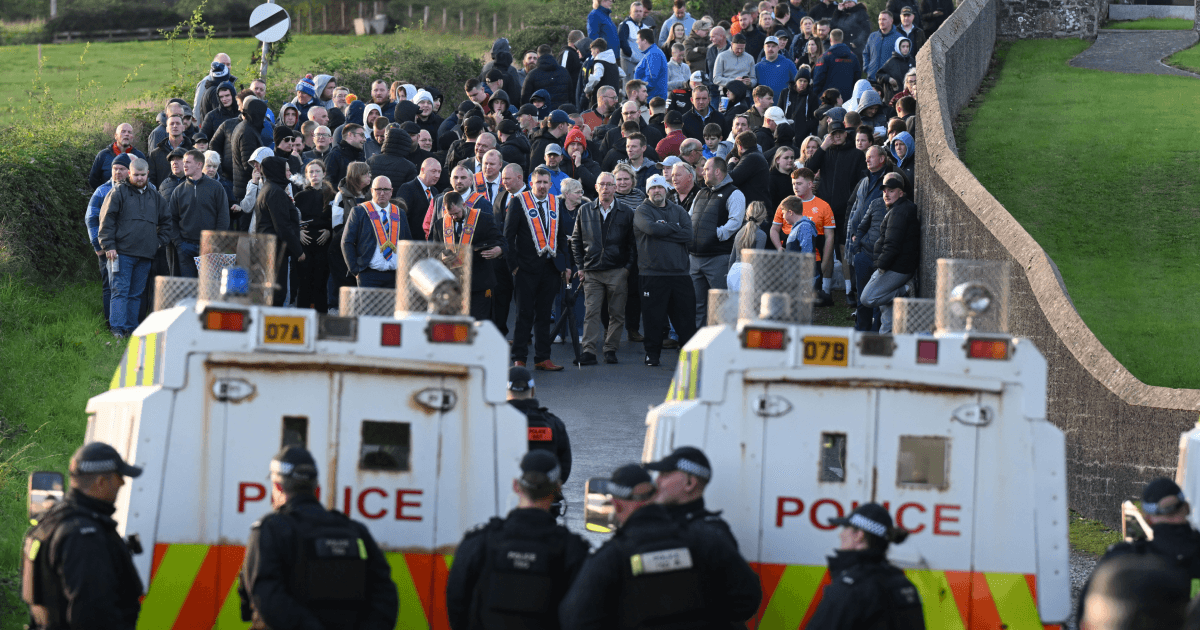
Church leaders urge Drumcree dialogue: ‘Too much is at stake’
The Catholic and Church of Ireland Archbishops of Armagh have urged a renewed commitment to peace and reconciliation amid the Drumcree stand-off
Corrie Douglas-Young Newsroom
Thousands of Irish children to join global Rosary campaign
Corrie Douglas-Young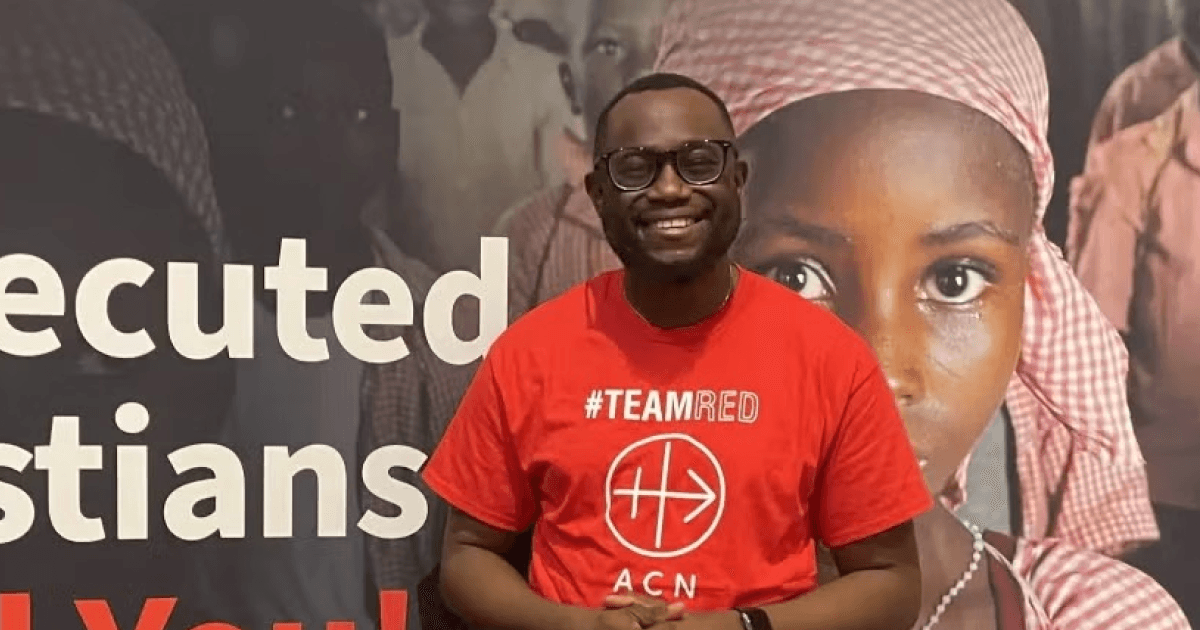 Newsroom
TikTok priest urges young people to stand with persecuted Christians
Nathalie Raffray Newsroom
Baby born at 25 weeks reunites with neonatologist two years after leaving hospital
The Catholic Herald Newsroom
Joe Biden honoured by Planned Parenthood after defending abortion rights
Christine Rousselle
subscribe to the catholic herald today
Our best content is exclusively available to our subscribers. Subscribe today and gain instant access to expert analysis, in-depth articles, and thought-provoking insights—anytime, anywhere. Don’t miss out on the conversations that matter most.
Subscribe



