



The former chief sex crimes prosecutor for the Catholic Church, Archbishop Charles Scicluna of Malta, was in New York this past weekend on special assignment. He went to interview Juan Carlos Cruz, a Chilean man who alleges that Bishop Juan Barros of Osorno, Chile, witnessed the abuse Cruz and others suffered at the hands of Barros’s mentor, the disgraced Chilean priest, Fernando Karadima. Cruz further alleges that Barros turned a blind eye, and himself acted inappropriately. Though neither Cruz nor the archbishop offered details of their conversation, which took place over four hours on Saturday at Holy Name of Jesus church in Manhattan, Cruz did tell reporters he had the impression Scicluna listened carefully. “For the first time I felt that someone is listening,” Cruz told reporters after the session, “I think [Scicluna] was sincerely moved by what I was saying.” The case is complex, with a long history. What follows is a rehearsal of the most basic facts. Barros was Karadima’s protégé, one of four clerics to come from the group formed around Karadima in El Bosque parish, Santiago, and rise under Karadima’s tutelage to high office in the Chilean Church. During the 1980s, when Cruz was involved in the group of adolescents that had gathered around Karadima, Cruz says Barros – who was going through formation and beginning his ecclesiastical career at the time – was complicit in the abuse Cruz and others suffered and acted as one of Karadima’s chief lieutenants. “I saw Fr Fernando Karadima and Juan Barros kiss each other and touch each other,” Cruz wrote in a letter. “More difficult,” Cruz’s letter continues, “would be when we were in Karadima’s room, and Juan Barros – if he wasn’t kissing Karadima – would watch when Karadima would touch us[.]” Barros denies these allegations. The letter from Cruz goes on to tell of how Barros “mysteriously” came to know facts Cruz had only shared with Karadima – who acted as Cruz’s confessor and spiritual director – under the seal of confession. Barros denies these allegations, as well. Cruz’s missive also details how, in the early 1980s, several victims sent a letter to the Archbishop of Santiago, Juan Francisco Fresno, and recalls testimony given by others during Karadima’s trial alleging Barros intercepted and destroyed the letter. Barros denies knowledge of the communication, though in 1983, shortly before ordination to the priesthood, Barros became special secretary to Fresno. Barros was ordained bishop in 1995. He held various posts, including a four-year stint as Bishop of Iquique and a 10-year turn as bishop of the Chilean forces, before being named to Osorno. Accusations against Barros had been in the Spanish-speaking press since at least 2012. Francis exchanged letters with the bishops of Chile, who objected to Barros’s appointment on their grounds. Francis received the Chilean bishops’ letter and responded, explaining he had asked Barros and two other prelates who came up under Karadima to step down quietly and take a sabbatical, but that Barros let details of the plan slip in the resignation letter he wrote. Francis told the Chilean bishops that once the plan had been revealed, it was no longer practicable. At that point, the Pope said, he decided to put Barros in Osorno. Barros’s nomination met with protests from the clergy and faithful of the small diocese some 500 miles southwest of the Chilean capital, Santiago. In May 2015, after months of agitation, Pope Francis recognised the suffering of the Church in Osorno, but attributed it to “silliness” and said the protesters were “led by the nose by leftists”. Captured by amateur video taken on the sidelines of a general audience in 2015, those remarks made a few headlines but gained no real traction outside the Spanish-speaking world. The Pope faced strong criticism, however, for accusations of calumny he levelled against Barros’s accusers during his recent visit to South America. Francis first made the accusation to a reporter staked outside the venue in Iquique, Chile, where he was going to say Mass before proceeding to Peru. He repeated the accusation several days later. “One [who] accuses without evidence, with obstinacy, this is calumny,” Francis said in response to a question from the AP’s Nicole Winfield during the in-flight presser returning to Rome. It emerged in the following days that Francis did have evidence. At the very least, he had the eight-page letter from Cruz detailing the abuse he suffered and explaining the alleged role of then Fr Juan Barros. Francis received that letter from the head of his own Commission for the Protection of Minors, Cardinal Seán O’Malley of Boston. O’Malley had the letter from Commission member and abuse survivor Marie Collins, who had it from Cruz on promise to deliver it to Francis. It was in the wake of that news that Francis decided to send Archbishop Scicluna. The world is now watching to see how Francis handles this case, with his credibility in the fight against clerical sex abuse in the balance.
12:00 PM
A guide to the case of Bishop Barros
Christopher R. Altieri


5 min read



Already a subscriber? Sign in
5freearticles every month
Continue reading with a free account. No card needed.
- Five free articles every thirty days, on any device you sign in on
- The Catholic Herald newsletter, every morning
- Subscribe whenever you like for everything: every article and the magazine
Related articles
 Newsroom
Church leaders urge Drumcree dialogue: ‘Too much is at stake’
The Catholic and Church of Ireland Archbishops of Armagh have urged a renewed commitment to peace and reconciliation amid the Drumcree stand-off
Corrie Douglas-Young Newsroom
Thousands of Irish children to join global Rosary campaign
Corrie Douglas-Young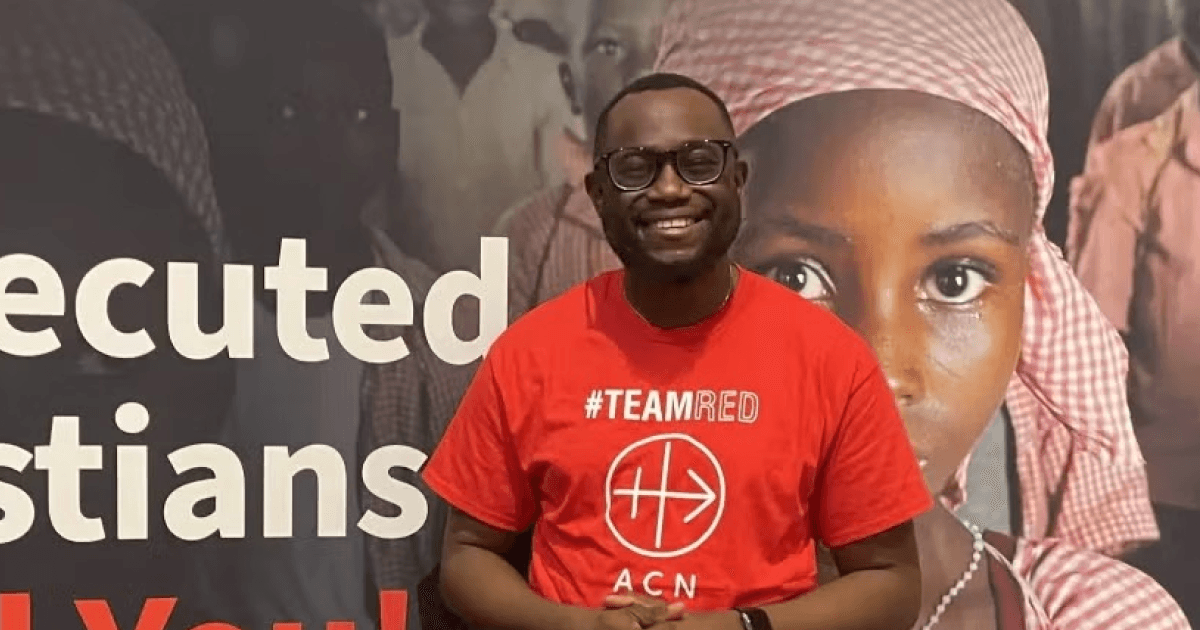 Newsroom
TikTok priest urges young people to stand with persecuted Christians
Nathalie Raffray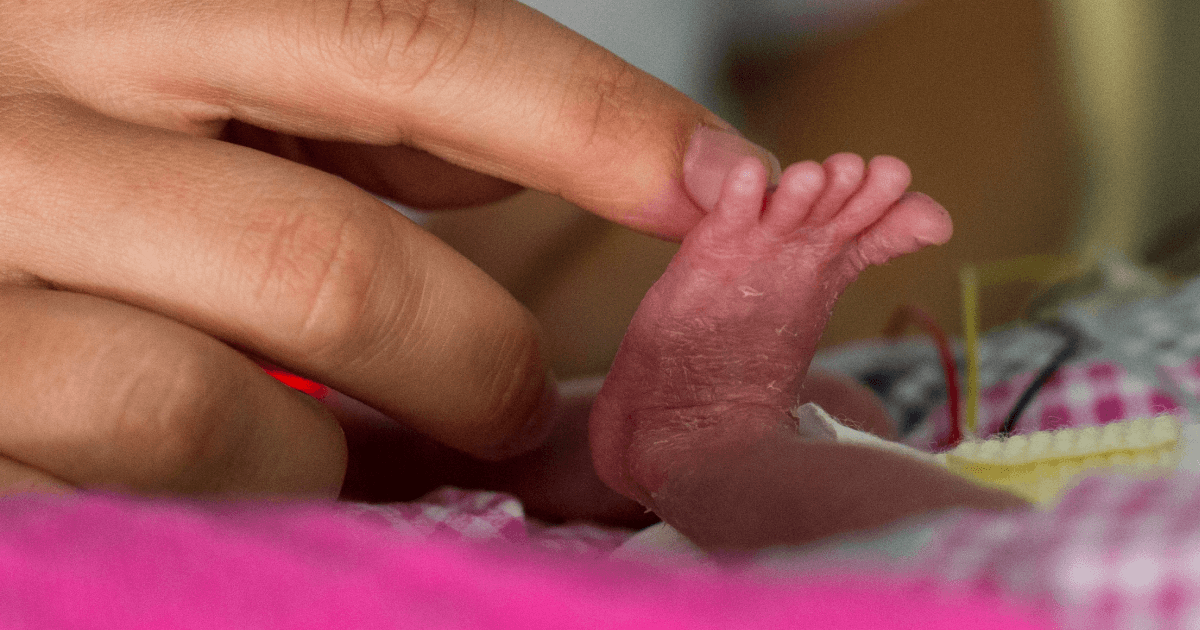 Newsroom
Baby born at 25 weeks reunites with neonatologist two years after leaving hospital
The Catholic Herald Newsroom
Joe Biden honoured by Planned Parenthood after defending abortion rights
Christine Rousselle
subscribe to the catholic herald today
Our best content is exclusively available to our subscribers. Subscribe today and gain instant access to expert analysis, in-depth articles, and thought-provoking insights—anytime, anywhere. Don’t miss out on the conversations that matter most.
Subscribe



