




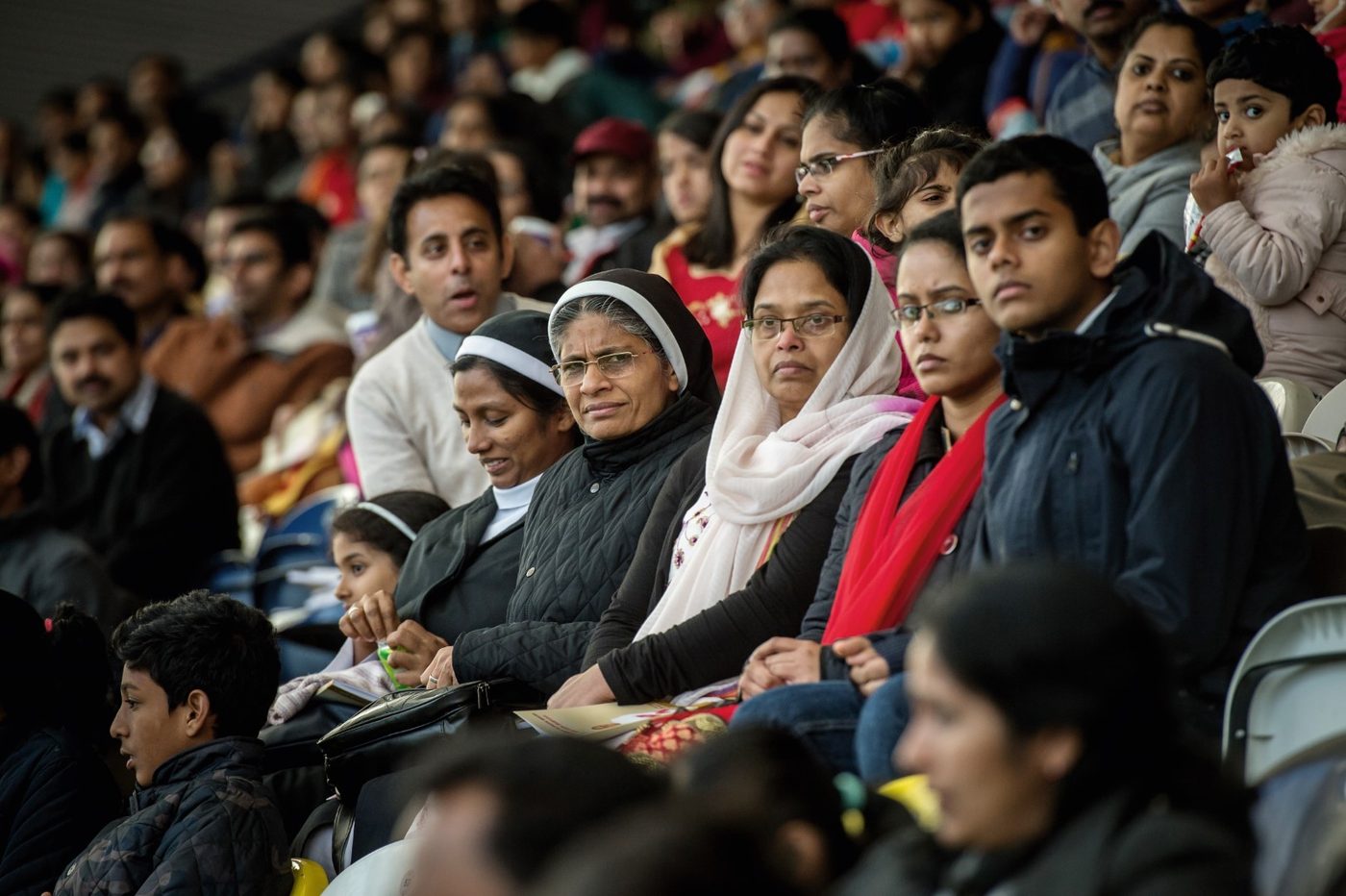
The petitioning has started in earnest. Candidates are making their pitches, pointing out the flaws in the arguments of rivals. It’s not the general election campaign, but the contest to secure occupancy of our eldest daughter’s bedroom. In September, God willing, she will be off to university. Her five younger siblings all believe this sought-after space – complete with en-suite bathroom – should be theirs. Early polling favours our two youngest, nine-year-old Katharine and seven-year-old John. Their bunk bed sails in a sea of domestic chaos. Too many clothes chasing too few drawers. Surely the vacant room should go to one of them? But wait a minute. Here’s Gwendolyn mounting a persuasive case that she will need a room of sepulchral calm for all the homework she will get in September, once she starts at grammar school. If anyone deserves a garret it’s me, says Agnes, for whom the autumn term means the start of the two-year slog to GCSE exams. Enter Constance. It’s about time, she notes, that someone else had the bedroom next to the boiler. I will notify readers when the people – well, Mum and Dad – reach a decision. In the meantime, a reflection. Having a large family has always meant our children have shared bedrooms. Three-to-a-room at one stage. There is a constant upward pressure on space as children grow, their wardrobes swell and possessions multiply. Does this act as a disincentive to so-called “boomerang” children? Edith will be welcome to share a room when she comes home during college vacations. But her friends who do not have siblings – a rapidly growing societal cohort – are unlikely to encounter this problem. …….. The unrecognised impact of family size was also on my mind as the political parties slugged it out over social care. Regardless of whether you think it’s fair to make people pay for their own eldercare, it seems probable that more children might now take an active role in providing it, if the alternative is the disappearance of a substantial inheritance. In effect, the money saved by not paying the state to care for our parents in their dotage could provide a de facto wage for a child. This is a Hobbesian way of looking at things. But whatever motivation lies behind a child’s decision to quit a job or give up time to look after ageing parents – love or lucre – it will be easier if the burden can be shared. I think of friends from large South Asian sibling groups who follow a rota of eldercare. Culturally, they find the idea of warehousing old folk anathema. Economically, the case for caring might now be changing too. If I had to identify an object that symbolised the vagaries of large family life, I might do worse than choose the VW Transporter (other eight-seaters are available). Our Big Blue Bus, as the children long ago dubbed it, has been a school-run workhorse. But come the holidays it morphs into a dream machine, taking us to the beach or for our annual trip to Scotland’s west coast. The milometer breached six figures long ago. Yet on it goes, blithely bearing the scars inflicted by six bored children down the years. It will even survive its latest, improbable setback, caused earlier this month when our springer spaniel chased a rat around the yard. The rodent hid under the VW and disappeared into the labyrinth of the engine compartment. The bill was almost £1,000. The VW garage we use might not get a lot of “rat damage” but the Transporter is popular locally, with drivers exchanging waves like members of an exclusive club. Sadly, not many of those fellow big families are to be found at Mass. Our part of north-west Hampshire is a fastness for the Plymouth Brethren and, for them, the Transporter has long been the people carrier of choice. …….. A conversation at dinner. Me: “Edith, you’re becoming a communist.” Gwendolyn (11): “No, Dad, she wants to be a geologist.” Follow Colin Brazier on Twitter: @ColinBrazierSky
1:00 PM
A Hobbesian solution to the social care crisis
Colin Brazier

4 min read



Already a subscriber? Sign in
5freearticles every month
Continue reading with a free account. No card needed.
- Five free articles every thirty days, on any device you sign in on
- The Catholic Herald newsletter, every morning
- Subscribe whenever you like for everything: every article and the magazine
Related articles
 Newsroom
Church leaders urge Drumcree dialogue: ‘Too much is at stake’
The Catholic and Church of Ireland Archbishops of Armagh have urged a renewed commitment to peace and reconciliation amid the Drumcree stand-off
Corrie Douglas-Young Newsroom
Thousands of Irish children to join global Rosary campaign
Corrie Douglas-Young Newsroom
TikTok priest urges young people to stand with persecuted Christians
Nathalie Raffray Newsroom
Baby born at 25 weeks reunites with neonatologist two years after leaving hospital
The Catholic Herald Newsroom
Joe Biden honoured by Planned Parenthood after defending abortion rights
Christine Rousselle
subscribe to the catholic herald today
Our best content is exclusively available to our subscribers. Subscribe today and gain instant access to expert analysis, in-depth articles, and thought-provoking insights—anytime, anywhere. Don’t miss out on the conversations that matter most.
Subscribe



