

February 12, 2026

A new Stabat Mater for our troubled century

Luke Coppen
More
Related
Min read
share

John Studzinski remembers the moment he realised the world needed a new Stabat Mater. He was sitting in a concert hall listening to Rossini’s “chocolate box” setting of the great 13th-century hymn. As the music played on – and on – he wished that Rossini had stuck to The Barber of Seville. He decided then to commission a new Stabat Mater that would “channel the divine”, rather than opera buffa.

Studzinski, a spry 60-year-old Polish American with a full head of boyish hair, is one of London’s great patrons of the arts. In what he calls his day job, he is a senior figure at private equity giant Blackstone. The Financial Times describes him as an “über-banker” and he is extremely well connected, with ties to both Theresa May and Angela Merkel.
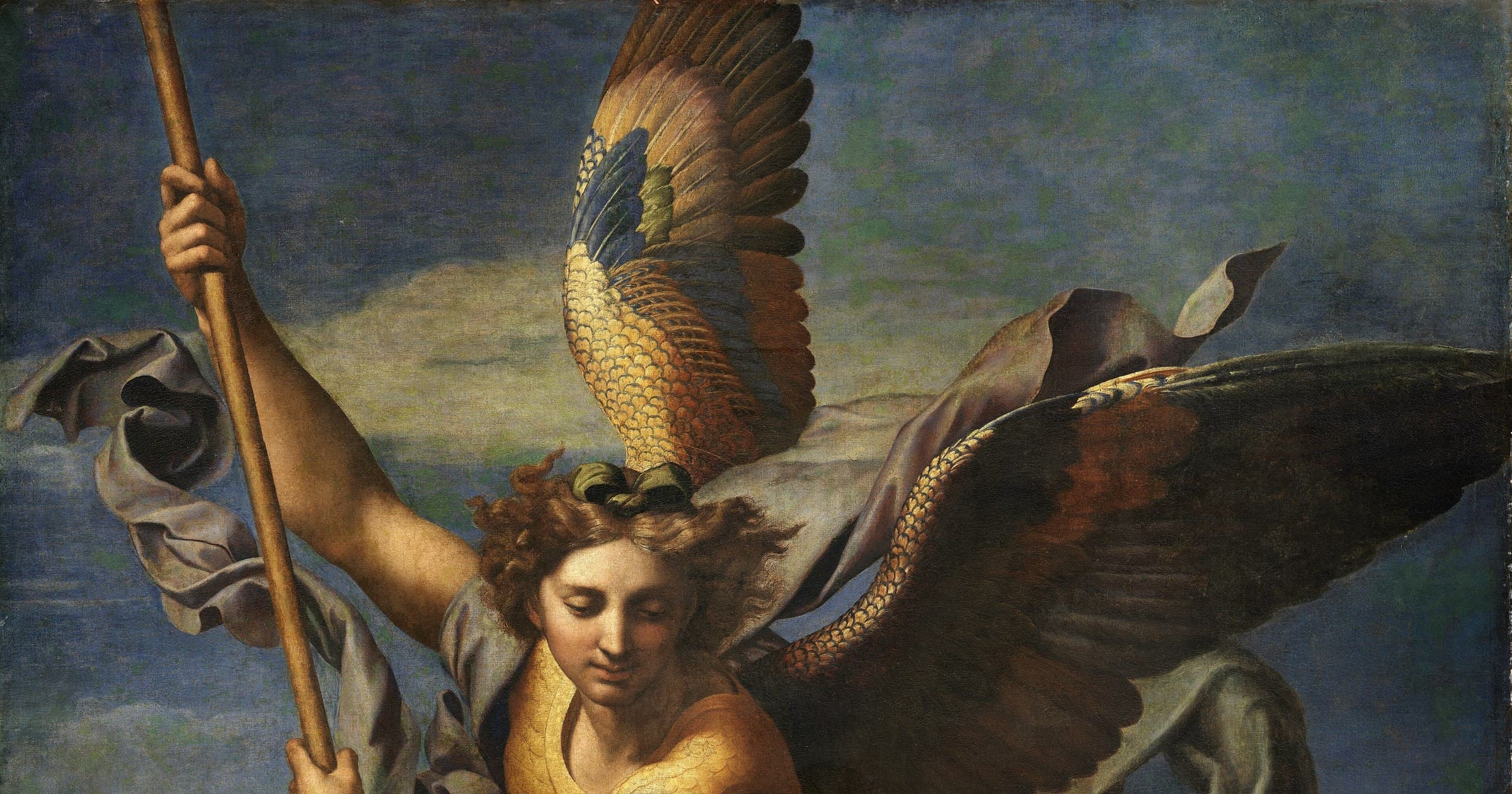
Alongside the arts and finance, there is a third major element in Studzinski’s life: his Catholic faith. This has a very practical side. He is co-founder of the Arise Foundation, which supports the grassroots fight against human trafficking, and he has long worked with the homeless. His faith also has an aesthetic dimension. He has a collection of rosary beads dating back to the 10th century and a Pietà in his private chapel. And he has just asked a “very ancient calligrapher” in Washington to write out Padre Pio’s prayer after Communion in cerulean blue ink for a pocket-sized personal prayer book. Sacred art, he says, is “a form of being closer to God and practising your faith”.

Studzinski, a soft-spoken man with exquisite manners, wanted his new Stabat Mater to have spiritual depth. He needed a composer who was less of a Rossini and more of a Pergolesi – the Italian who wrote an agonisingly beautiful Stabat Mater while dying of tuberculosis aged 26.

Sitting in his Mayfair offices in front of a black coffee he barely touches, Studzinski says: “The longer Stabat Maters – the ones that are 30 to 60 minutes long, that are more contemplative – are the most powerful, because they really allow for your mood to almost go into a form of meditation. But five to 10 minutes, or something that sounds like ‘Here Comes Mr Easter Bunny’, is not really, I think, the whole purpose of that text.

“If it accomplishes its objective, truly sacred music almost creates a miracle – and I use that word very carefully – in that the individual does experience that whole pain of suffering, of God becoming man and then man dying on the Cross, the whole Incarnation which is the bedrock of our faith.”

The Stabat Mater is an intense 20-stanza meditation on Mary’s grief at the foot of the Cross, probably composed by the Franciscan friar Jacopone da Todi. Which living composer could be a match for it? For Studzinski, the answer was obvious: the Scottish Catholic Sir James MacMillan.

“James has always struck me as being a very humble vessel for channelling the divine,” he says. “There are people who have one foot in this world and one foot in another, and I think James is someone who is able to compose comfortably with one foot here on earth and another foot elsewhere.”

Studzinski says he was sure of three things when he commissioned the new work. “I knew that Stabat Mater needed to be done, because it hadn’t been done as a 60-minute version in over 50 years. Szymanowski and Poulenc were the last two big ones. Number two, I knew that if James did it, it would have a strong faith-based, spiritual foundation. Number three, I knew that the world needed it.”

Studzinski describes the Stabat Mater as both timeless and urgent. While proudly Catholic, he is not in the least sectarian: a red and blue wool bracelet is visible under the cuff of his grey suit – a gift from Buddhist monks at Angkor Wat. He believes that the Marian hymn is universal. “It’s a powerful statement about unconditional love that a mother has for her children,” he says. “You see that today across the world, whether it’s refugees or people who are being trafficked. You see it in Syria, Afghanistan, with mothers and their children ... that image of the father carrying the child on the beach.”

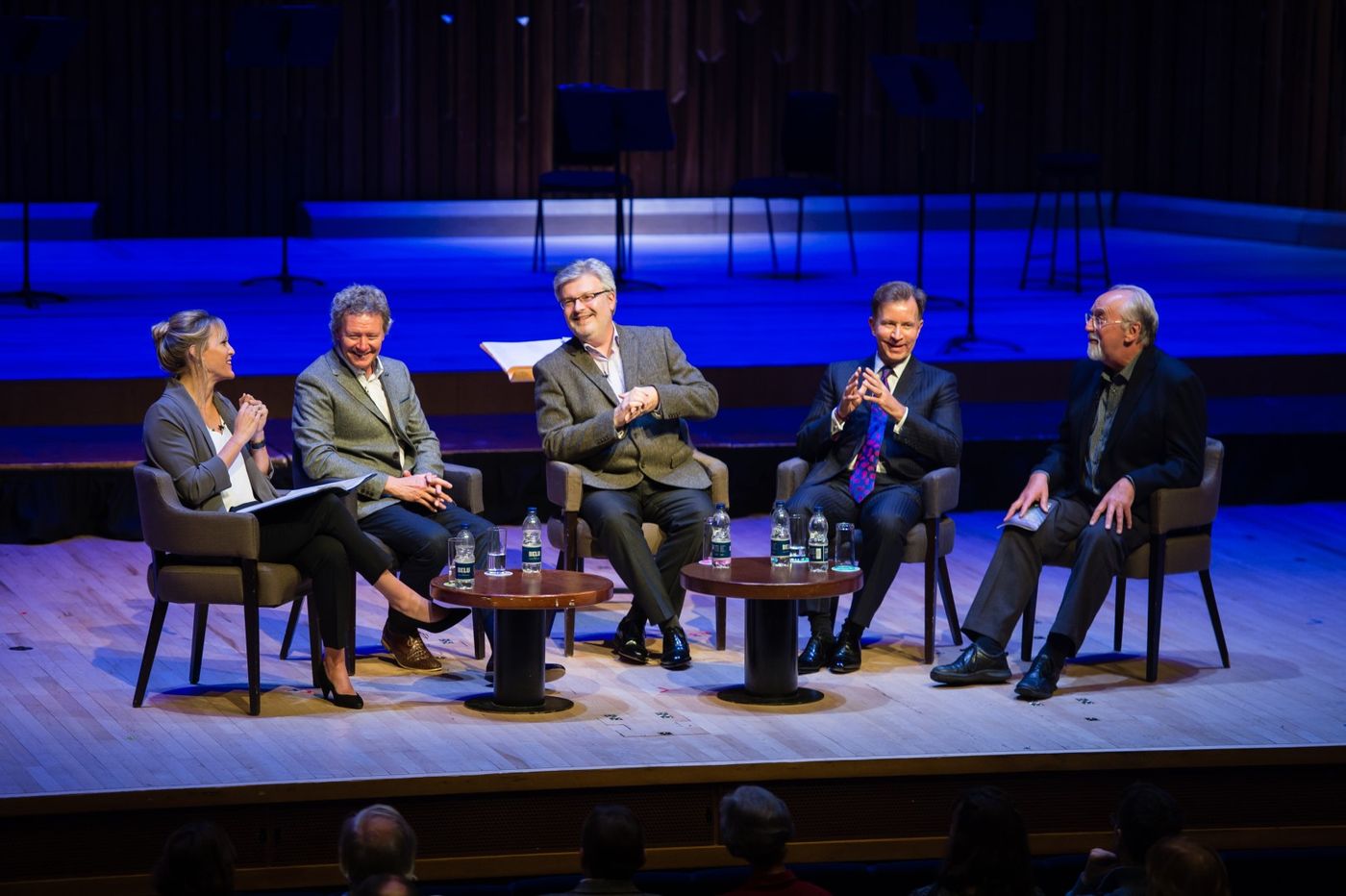
Studzinski heard James MacMillan’s Stabat Mater in full for the first time at its premiere last Saturday. The work, which is dedicated to him, was performed by The Sixteen and the Britten Sinfonia at the Barbican, to ecstatic reviews. But he hopes that in years to come it will also be played by less accomplished musicians in more humble settings. (“It’s not written for the Vienna Philharmonic Choir,” he says.)

There are plans for a CD, but the aim isn’t to make money. “It’s like planting a beautiful garden,” Studzinski says. “You’re hoping that more people are going to enjoy it and be inspired by it.”

John Studzinski remembers the moment he realised the world needed a new Stabat Mater. He was sitting in a concert hall listening to Rossini’s “chocolate box” setting of the great 13th-century hymn. As the music played on – and on – he wished that Rossini had stuck to The Barber of Seville. He decided then to commission a new Stabat Mater that would “channel the divine”, rather than opera buffa.

Studzinski, a spry 60-year-old Polish American with a full head of boyish hair, is one of London’s great patrons of the arts. In what he calls his day job, he is a senior figure at private equity giant Blackstone. The Financial Times describes him as an “über-banker” and he is extremely well connected, with ties to both Theresa May and Angela Merkel.
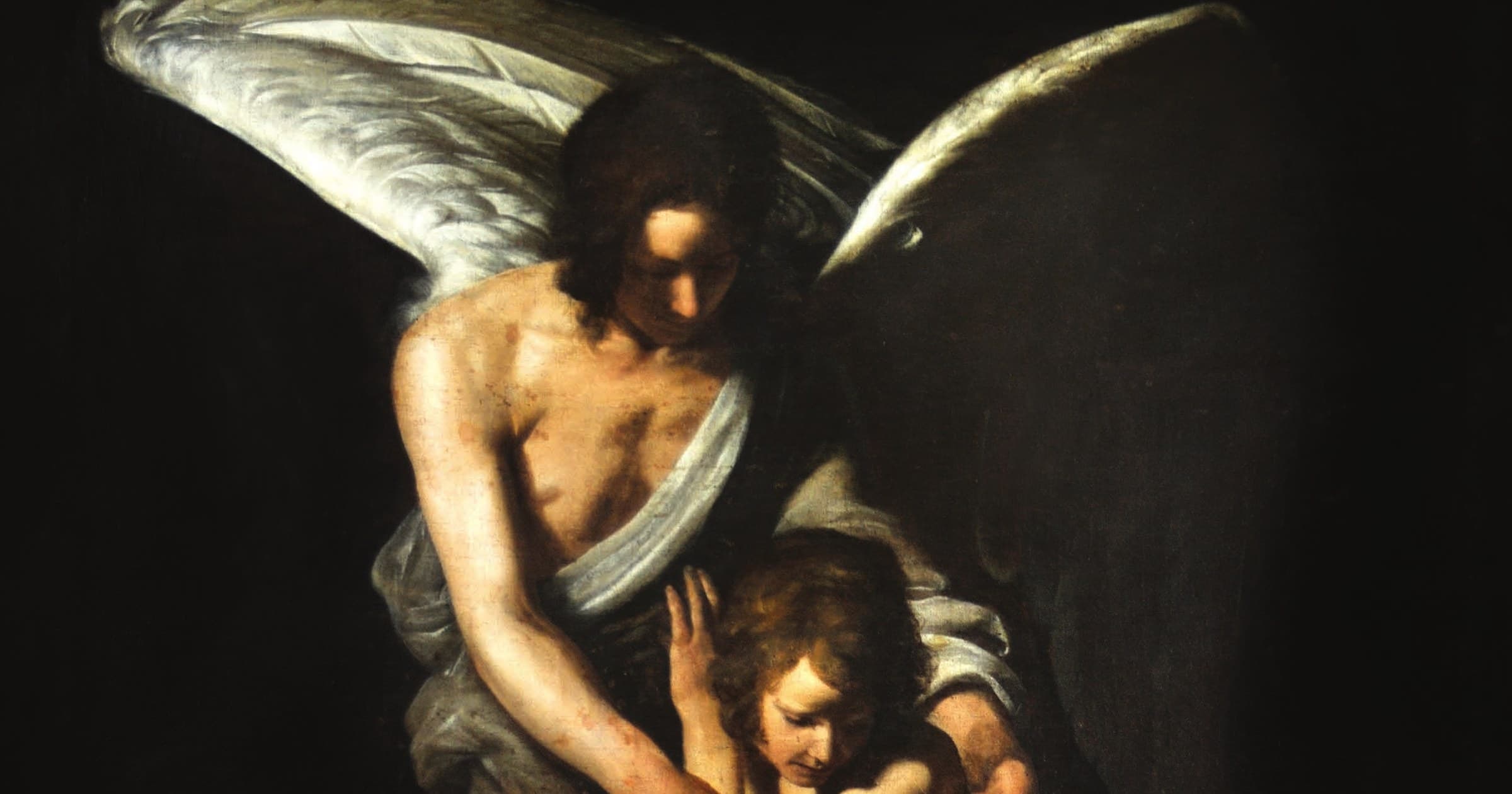
Alongside the arts and finance, there is a third major element in Studzinski’s life: his Catholic faith. This has a very practical side. He is co-founder of the Arise Foundation, which supports the grassroots fight against human trafficking, and he has long worked with the homeless. His faith also has an aesthetic dimension. He has a collection of rosary beads dating back to the 10th century and a Pietà in his private chapel. And he has just asked a “very ancient calligrapher” in Washington to write out Padre Pio’s prayer after Communion in cerulean blue ink for a pocket-sized personal prayer book. Sacred art, he says, is “a form of being closer to God and practising your faith”.

Studzinski, a soft-spoken man with exquisite manners, wanted his new Stabat Mater to have spiritual depth. He needed a composer who was less of a Rossini and more of a Pergolesi – the Italian who wrote an agonisingly beautiful Stabat Mater while dying of tuberculosis aged 26.

Sitting in his Mayfair offices in front of a black coffee he barely touches, Studzinski says: “The longer Stabat Maters – the ones that are 30 to 60 minutes long, that are more contemplative – are the most powerful, because they really allow for your mood to almost go into a form of meditation. But five to 10 minutes, or something that sounds like ‘Here Comes Mr Easter Bunny’, is not really, I think, the whole purpose of that text.

“If it accomplishes its objective, truly sacred music almost creates a miracle – and I use that word very carefully – in that the individual does experience that whole pain of suffering, of God becoming man and then man dying on the Cross, the whole Incarnation which is the bedrock of our faith.”

The Stabat Mater is an intense 20-stanza meditation on Mary’s grief at the foot of the Cross, probably composed by the Franciscan friar Jacopone da Todi. Which living composer could be a match for it? For Studzinski, the answer was obvious: the Scottish Catholic Sir James MacMillan.

“James has always struck me as being a very humble vessel for channelling the divine,” he says. “There are people who have one foot in this world and one foot in another, and I think James is someone who is able to compose comfortably with one foot here on earth and another foot elsewhere.”

Studzinski says he was sure of three things when he commissioned the new work. “I knew that Stabat Mater needed to be done, because it hadn’t been done as a 60-minute version in over 50 years. Szymanowski and Poulenc were the last two big ones. Number two, I knew that if James did it, it would have a strong faith-based, spiritual foundation. Number three, I knew that the world needed it.”

Studzinski describes the Stabat Mater as both timeless and urgent. While proudly Catholic, he is not in the least sectarian: a red and blue wool bracelet is visible under the cuff of his grey suit – a gift from Buddhist monks at Angkor Wat. He believes that the Marian hymn is universal. “It’s a powerful statement about unconditional love that a mother has for her children,” he says. “You see that today across the world, whether it’s refugees or people who are being trafficked. You see it in Syria, Afghanistan, with mothers and their children ... that image of the father carrying the child on the beach.”

Studzinski heard James MacMillan’s Stabat Mater in full for the first time at its premiere last Saturday. The work, which is dedicated to him, was performed by The Sixteen and the Britten Sinfonia at the Barbican, to ecstatic reviews. But he hopes that in years to come it will also be played by less accomplished musicians in more humble settings. (“It’s not written for the Vienna Philharmonic Choir,” he says.)

There are plans for a CD, but the aim isn’t to make money. “It’s like planting a beautiful garden,” Studzinski says. “You’re hoping that more people are going to enjoy it and be inspired by it.”

subscribe to
the catholic herald

Continue reading your article with a subscription.
Read 5 articles with our free plan.
Subscribe

subscribe to the catholic herald today

Our best content is exclusively available to our subscribers. Subscribe today and gain instant access to expert analysis, in-depth articles, and thought-provoking insights—anytime, anywhere. Don’t miss out on the conversations that matter most.
Subscribe