


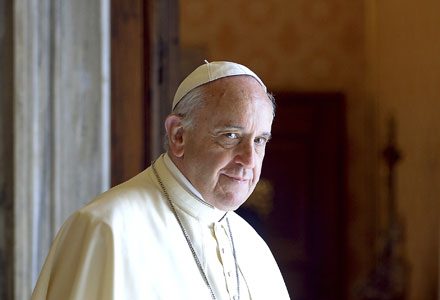
While this synod is set to tackle many of the flashpoints where contemporary culture and Catholicism clash, there could be a roadblock at the tunnel’s end. It’s no secret inaccessible language prevents the majority of Catholics from diving into Church documentation on marriage and family “without due preparation,” to quote paragraph 11 of the synod’s working document. Paragraph 12, however, looks to the clergy who, “in the judgment of some of the faithful”, have insufficient familiarity with the same documents and few resources to improve. Canon Robert Plourde of St Luke’s Church, Pinner, says the clergy’s sub-par knowledge of Church teaching on marriage and family is not because of unwillingness, “you’ve only so many hours in the day and we’re becoming a much older clergy.” Fr Plourde says he can’t remember the last time a fellow priest discussed a document with him. Although the apostolic exhortation is unlikely to appear until Spring 2016 at the earliest, Westminster Diocese’s marriage and family life director Edmund Adamus says updating clergy on hot-topics like sexuality, fertility and procreation shouldn’t take two years “but it will require a paradigm shift.” “At best the topic of sexuality comes up during marriage prep,” he says. “We need to see more resources and catechesis on fertility awareness not just with engaged couples but also with young adults.” For the ten dioceses in England and Wales lacking a marriage and family co-ordinator, distributing resources to parishes is the challenge. “I don’t think we can do anything about that,” says Elizabeth Davies, marriage and family life project officer at the Bishops’ Conference of England and Wales. “There is always going to be a challenge of communicating what is available.” Still, Davies says the conference’s passion, experience and practical theology put England and Wales on the “cutting edge internationally” in marriage and family pastoral care. “The only plan we’ve got [to prepare for the exhortation] is to not schedule any new pieces of work,” she says. “So that we’ve got enough capacity to pick up and run with what ever pops up.” With the pastoral status quo set to remain post-synod, it seems the exhortation’s absorption and implementation will depend on the accessibility of its language. “The language must be everyday language,” Fr Plourde says. “It needs to be clear.”
12:46 PM
A post-synod Catholic Church may feel unchanged to the faithful in England and Wales
The hard issues have been analysed inside and out, but is the Church in England and Wales ready for what comes next?
Carolyn Wickware

3 min read



Already a subscriber? Sign in
5freearticles every month
Continue reading with a free account. No card needed.
- Five free articles every thirty days, on any device you sign in on
- The Catholic Herald newsletter, every morning
- Subscribe whenever you like for everything: every article and the magazine
Related articles
 Newsroom
Church leaders urge Drumcree dialogue: ‘Too much is at stake’
The Catholic and Church of Ireland Archbishops of Armagh have urged a renewed commitment to peace and reconciliation amid the Drumcree stand-off
Corrie Douglas-Young Newsroom
Thousands of Irish children to join global Rosary campaign
Corrie Douglas-Young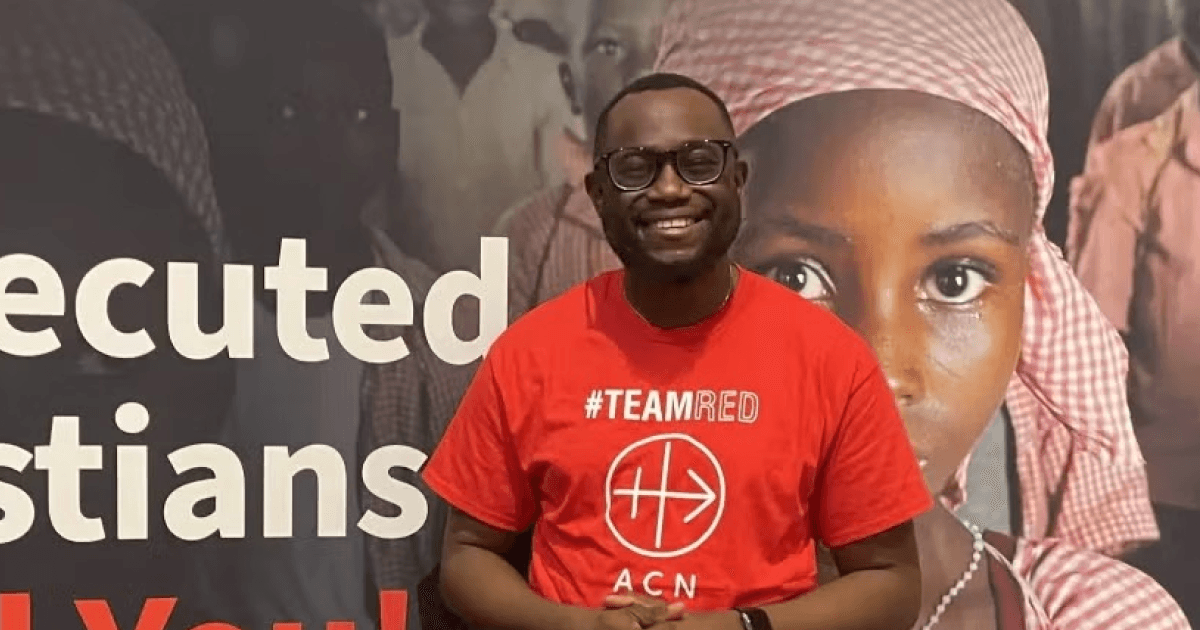 Newsroom
TikTok priest urges young people to stand with persecuted Christians
Nathalie Raffray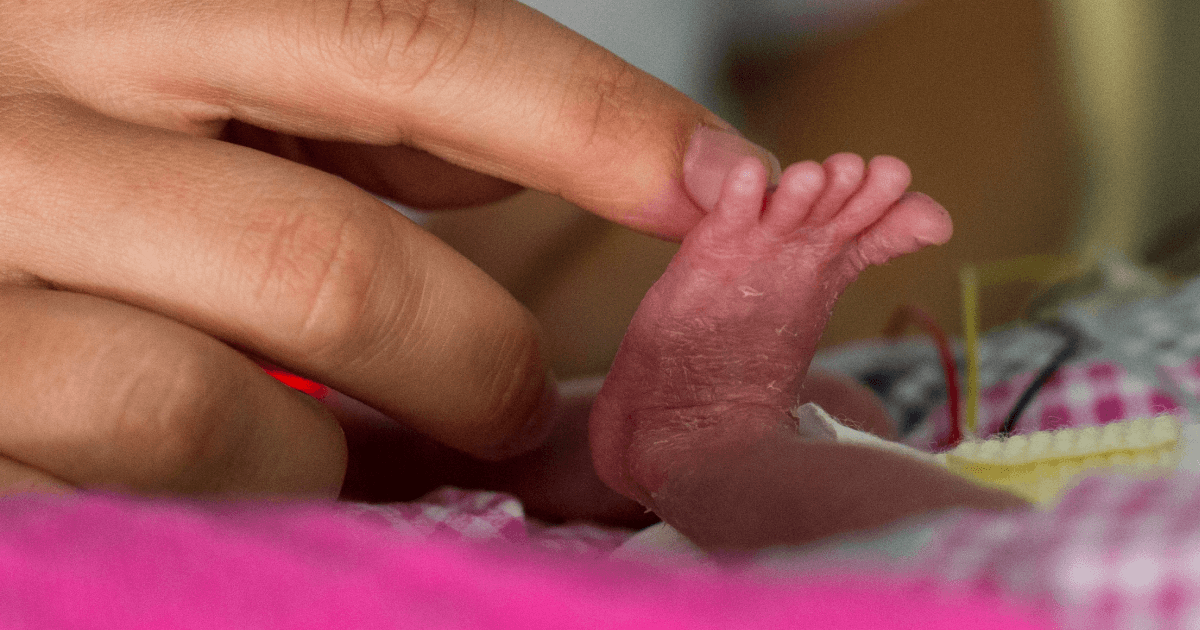 Newsroom
Baby born at 25 weeks reunites with neonatologist two years after leaving hospital
The Catholic Herald Newsroom
Joe Biden honoured by Planned Parenthood after defending abortion rights
Christine Rousselle
subscribe to the catholic herald today
Our best content is exclusively available to our subscribers. Subscribe today and gain instant access to expert analysis, in-depth articles, and thought-provoking insights—anytime, anywhere. Don’t miss out on the conversations that matter most.
Subscribe



