


For one week this summer, Poland will be the centre of the Catholic world. Some 2.5 million young people are expected to join Pope Francis in Kraków for World Youth Day. The week-long event, described by one pundit as “the Olympic Games of the Catholic Church”, is actually a Polish invention. It was created by St John Paul II in 1985. Now, for the first time, it will be held in his home town. Poland has hosted World Youth Day once before: in Częstochowa in 1991. John Paul II was then midway through his 27-year pontificate; Poland was emerging from 44 years of communist rule; and an estimated 57 per cent of Poles attended Sunday Mass. Today, there is a new pope from “the ends of the earth”; Poland is governed by the first party to win an outright majority since the fall of communism; and average Sunday attendance is down to 39 per cent. That last figure would be considered healthy in most other countries. But in Poland it is the source of much soul-searching. Is it a signal that the land of John Paul II is going the way of Spain and Ireland, where a centuries-long connection between Church and culture was severed in a single generation? Doomsayers point to a fall in seminary admissions, baptisms, first Communions and marriages. But optimists note that Poland still reportedly accounts for a quarter of all priestly vocations in Europe. They also suggest that the decline in average Mass attendance is deceptive: some two million Poles have emigrated to Western Europe since 2004 but are still counted as belonging to their former parishes. Archbishop Wojciech Polak, the 51-year-old Primate of Poland, concedes that “secularisation is occurring as strongly here in Poland as everywhere else”, but believes that the Church “engages young people more than anywhere else in Europe and it’s still able to rally most of society around religious values”. Polish Catholics have just celebrated the 1,050th anniversary of the baptism of Poland, when King Mieszko I embraced Christianity in 966, and the new government is pursuing a total ban on abortion with Church backing. World Youth Day will be Pope Francis’s first visit to Poland. Many assume that, because of Polish Catholicism’s conservative nature, Francis is unpopular there. Far from it: there is something in Francis’s joyous, bantering style that reminds them of John Paul II. The two men’s lives are deeply intertwined. It was the Polish pope who ended the exile imposed on Fr Jorge Mario Bergoglio by his fellow Jesuits, when he appointed him auxiliary bishop of Buenos Aires in 1992. It was John Paul II who gave the Argentine bishop the red hat in 2001. It was Francis who, in turn, canonised John Paul II in 2014. Yet some commentators argue that Francis is ambivalent about aspects of John Paul II’s papacy, such as his approach to economics and moral theology. It is hard to evaluate these claims as Francis has made few public comments about John Paul. Even his canonisation homily only devoted a few paragraphs to the Polish pope. In Kraków this July, Pope Francis has a chance to explicitly define his relationship with a giant of post-Vatican II Catholicism and cement his relationship with one of Europe’s most energetically Christian nations. He is likely to seize it.
1:00 PM
A tale of two popes
Staff writers

5 min read



Already a subscriber? Sign in
5freearticles every month
Continue reading with a free account. No card needed.
- Five free articles every thirty days, on any device you sign in on
- The Catholic Herald newsletter, every morning
- Subscribe whenever you like for everything: every article and the magazine
Related articles
 Newsroom
Church leaders urge Drumcree dialogue: ‘Too much is at stake’
The Catholic and Church of Ireland Archbishops of Armagh have urged a renewed commitment to peace and reconciliation amid the Drumcree stand-off
Corrie Douglas-Young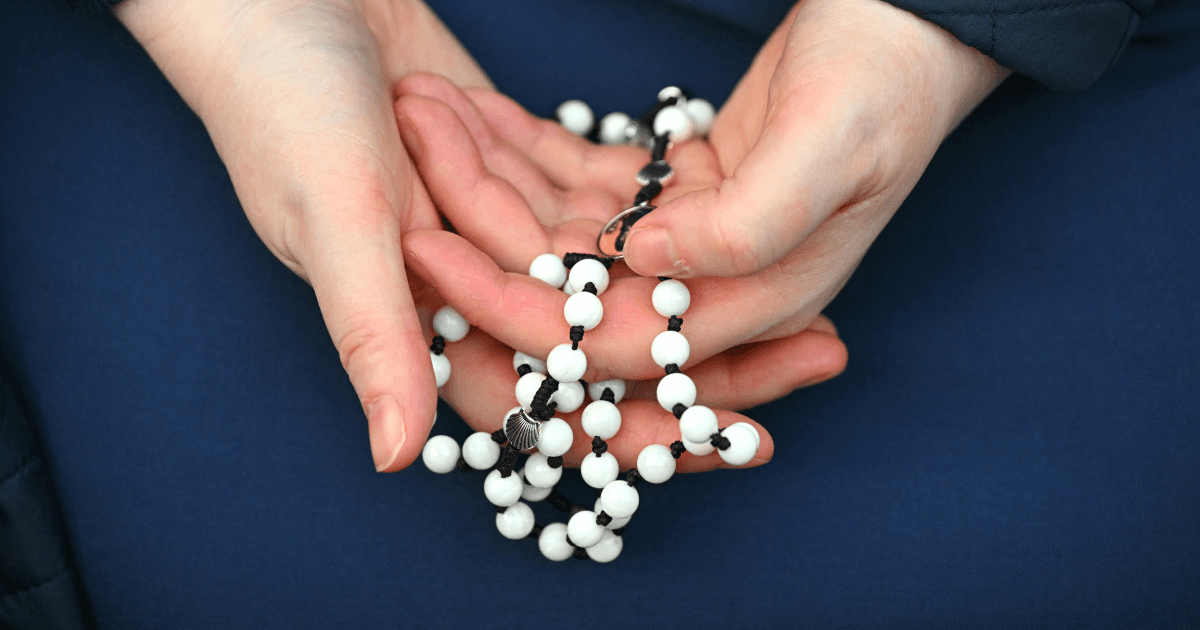 Newsroom
Thousands of Irish children to join global Rosary campaign
Corrie Douglas-Young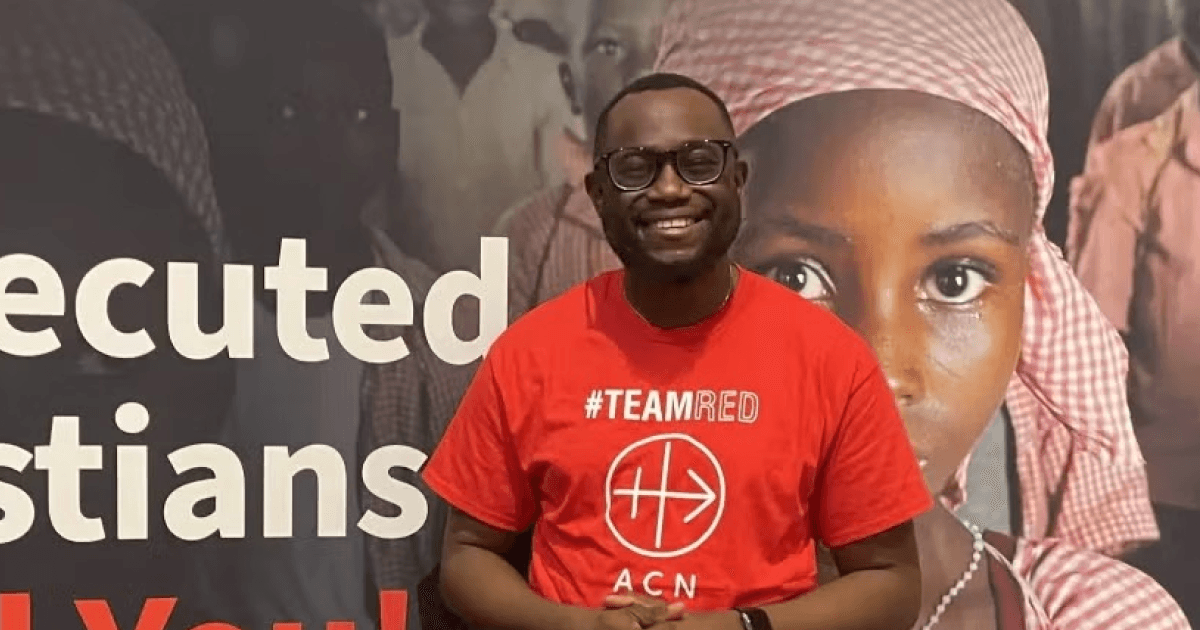 Newsroom
TikTok priest urges young people to stand with persecuted Christians
Nathalie Raffray Newsroom
Baby born at 25 weeks reunites with neonatologist two years after leaving hospital
The Catholic Herald Newsroom
Joe Biden honoured by Planned Parenthood after defending abortion rights
Christine Rousselle
subscribe to the catholic herald today
Our best content is exclusively available to our subscribers. Subscribe today and gain instant access to expert analysis, in-depth articles, and thought-provoking insights—anytime, anywhere. Don’t miss out on the conversations that matter most.
Subscribe



