December 22, 2025
December 20, 2025

A year in reading: my ‘most’ books of 2025

Min read
share

Whenever I see a photo or video of someone with a bookshelf in the background, I crane my neck to see what they have on their shelves. It can be very revealing, and I am always pleased to spot a book that I myself have enjoyed. In this piece I am going to spill the beans on myself and take you through my bookshelf, or at least part of my bookshelf, of 2025.

Although reading tastes differ more than almost any other kind of taste, it is still very useful to receive reading recommendations, and I have to say that I am rarely disappointed. My reading over the past year was eclectic in the extreme, though with a slight emphasis on contemporary culture and the culture wars, as I had to prepare a number of talks in this area. What I have decided to do, therefore, is to offer you my various ‘most …’ books of the year.

Most Worrying Book

My most worrying book of 2025 was undoubtedly Jonathan Haidt’s The Anxious Generation: How the Great Rewiring of Childhood Is Causing an Epidemic of Mental Illness. His account of the damage that an online lifestyle has inflicted on girls in particular, and to a lesser extent on boys, since around 2010 is utterly scarifying. The book has already made a considerable impact across the West and, encouragingly, is prompting governments to re-examine their laws governing internet and social media use.

Most Disturbing Book

The most disturbing book of the year was Douglas Murray’s analysis of the war in Gaza, On Democracies and Death Cults: Israel and the Future of Civilization (2025). It is fascinating, if deeply unsettling, especially in its accounts of the 7 October massacres. I would fault Murray for failing to mention the relentless provocation of Arabs by Jewish settlers in the West Bank. Nevertheless, he is right to insist that the gruesome atrocities perpetrated by Hamas belong to a depth of evil that many Western societies seem incapable of acknowledging.

Most Pleasantly Surprising Book

My most pleasantly surprising book of the year was Lionel Shriver’s 2024 dystopian satirical novel Mania. I had not been expecting much, largely because I had scarcely heard of the book at all. It seems odd that such a good work should have escaped my notice. Then again, since it is a brutal and ingenious critique of woke ideology, perhaps it is not so surprising that it has not been widely publicised.

Most Revealing Book

The most revealing book of the year was a biography, Christopher R. Altieri’s Leo XIV: The New Pope and Catholic Reform (2025). More than a straightforward life of its subject, it is an extended examination of the daunting tasks facing Pope Leo as he takes charge of the Church in the aftermath of a generally chaotic decade. The clear eyed portrayal of the many serious issues confronting the new Pope proved genuinely educational.

Most Inspiring Book

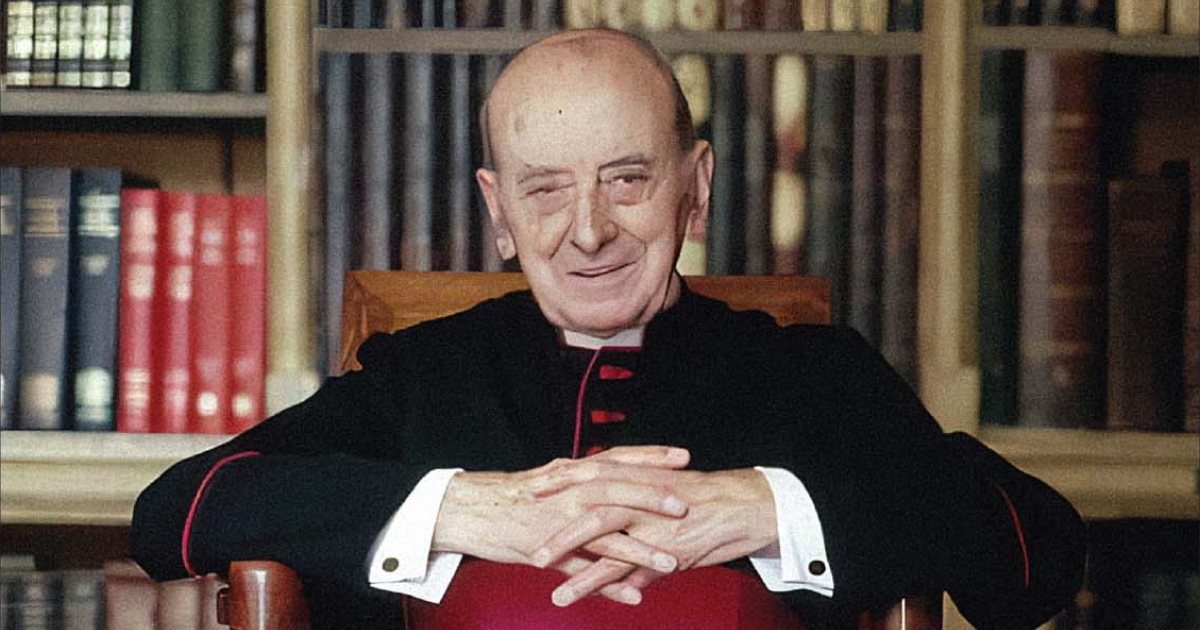
My most inspiring reading of 2025 was the monumental three volume biography of St Josemaría Escrivá by Andrés Vázquez de Prada, entitled The Founder of Opus Dei: The Life of Josemaría Escrivá. I first read it when it appeared in 2003, but even so, I found myself repeatedly marvelling at the sheer fortitude and determination of the Spanish priest who founded Opus Dei in 1928. At the same time, I was pained to be reminded of just how much suffering he had to endure throughout his life.

Most Difficult Book

Without a doubt, the most difficult book I read during the year was Stephen C. Meyer’s 2021 work The Return of the God Hypothesis: Three Scientific Discoveries That Reveal the Mind Behind the Universe. Meyer brilliantly summarises both historical and recent developments in the science behind the Big Bang, the physical constants necessary for life, and the information contained in DNA, and argues convincingly that sheer randomness cannot credibly account for their astonishing complexity.

Funniest Book

The funniest, or ‘most funny’, book of the year came from the well known British comedian Bob Mortimer. And Away… is an autobiography that is consistently hilarious, yet made all the more endearing by Mortimer’s frank honesty about his own struggles in life, while carefully avoiding both self pity and grimness. I combined this with reading, and greatly enjoying, his trilogy of comic mystery novels, The Satsuma Complex (2022), The Hotel Avocado (2024), and The Long Shoe (2025).

Most Educational Book

The most educational book of the year was a classic biography, Claire Tomalin’s Charles Dickens: A Life. I was led to it by reading David Copperfield for the first time, as I have not read much Dickens, and being impressed by the novel’s frequent laugh out loud humour and extraordinary characterisation. Tomalin captures both the genius and the sheer hard work behind Dickens’s novels, without shying away from the sadder aspects of his life.

Most Boring Book

And what about the most boring book? For some time I had meant to read Mary Beard’s account of the Roman Empire, SPQR. Yet after only a few chapters I found myself thoroughly weary of being repeatedly reminded that a serious historian could not possibly take seriously, or certainly not literally, what this or that Roman historian reported. I eventually gave up. Perhaps this is one of the pitfalls of being an eminent historian with a formidable reputation to protect.

Whenever I see a photo or video of someone with a bookshelf in the background, I crane my neck to see what they have on their shelves. It can be very revealing, and I am always pleased to spot a book that I myself have enjoyed. In this piece I am going to spill the beans on myself and take you through my bookshelf, or at least part of my bookshelf, of 2025.

Although reading tastes differ more than almost any other kind of taste, it is still very useful to receive reading recommendations, and I have to say that I am rarely disappointed. My reading over the past year was eclectic in the extreme, though with a slight emphasis on contemporary culture and the culture wars, as I had to prepare a number of talks in this area. What I have decided to do, therefore, is to offer you my various ‘most …’ books of the year.

Most Worrying Book

My most worrying book of 2025 was undoubtedly Jonathan Haidt’s The Anxious Generation: How the Great Rewiring of Childhood Is Causing an Epidemic of Mental Illness. His account of the damage that an online lifestyle has inflicted on girls in particular, and to a lesser extent on boys, since around 2010 is utterly scarifying. The book has already made a considerable impact across the West and, encouragingly, is prompting governments to re-examine their laws governing internet and social media use.

Most Disturbing Book

The most disturbing book of the year was Douglas Murray’s analysis of the war in Gaza, On Democracies and Death Cults: Israel and the Future of Civilization (2025). It is fascinating, if deeply unsettling, especially in its accounts of the 7 October massacres. I would fault Murray for failing to mention the relentless provocation of Arabs by Jewish settlers in the West Bank. Nevertheless, he is right to insist that the gruesome atrocities perpetrated by Hamas belong to a depth of evil that many Western societies seem incapable of acknowledging.

Most Pleasantly Surprising Book

My most pleasantly surprising book of the year was Lionel Shriver’s 2024 dystopian satirical novel Mania. I had not been expecting much, largely because I had scarcely heard of the book at all. It seems odd that such a good work should have escaped my notice. Then again, since it is a brutal and ingenious critique of woke ideology, perhaps it is not so surprising that it has not been widely publicised.

Most Revealing Book

The most revealing book of the year was a biography, Christopher R. Altieri’s Leo XIV: The New Pope and Catholic Reform (2025). More than a straightforward life of its subject, it is an extended examination of the daunting tasks facing Pope Leo as he takes charge of the Church in the aftermath of a generally chaotic decade. The clear eyed portrayal of the many serious issues confronting the new Pope proved genuinely educational.

Most Inspiring Book

My most inspiring reading of 2025 was the monumental three volume biography of St Josemaría Escrivá by Andrés Vázquez de Prada, entitled The Founder of Opus Dei: The Life of Josemaría Escrivá. I first read it when it appeared in 2003, but even so, I found myself repeatedly marvelling at the sheer fortitude and determination of the Spanish priest who founded Opus Dei in 1928. At the same time, I was pained to be reminded of just how much suffering he had to endure throughout his life.

Most Difficult Book

Without a doubt, the most difficult book I read during the year was Stephen C. Meyer’s 2021 work The Return of the God Hypothesis: Three Scientific Discoveries That Reveal the Mind Behind the Universe. Meyer brilliantly summarises both historical and recent developments in the science behind the Big Bang, the physical constants necessary for life, and the information contained in DNA, and argues convincingly that sheer randomness cannot credibly account for their astonishing complexity.

Funniest Book

The funniest, or ‘most funny’, book of the year came from the well known British comedian Bob Mortimer. And Away… is an autobiography that is consistently hilarious, yet made all the more endearing by Mortimer’s frank honesty about his own struggles in life, while carefully avoiding both self pity and grimness. I combined this with reading, and greatly enjoying, his trilogy of comic mystery novels, The Satsuma Complex (2022), The Hotel Avocado (2024), and The Long Shoe (2025).

Most Educational Book

The most educational book of the year was a classic biography, Claire Tomalin’s Charles Dickens: A Life. I was led to it by reading David Copperfield for the first time, as I have not read much Dickens, and being impressed by the novel’s frequent laugh out loud humour and extraordinary characterisation. Tomalin captures both the genius and the sheer hard work behind Dickens’s novels, without shying away from the sadder aspects of his life.

Most Boring Book

And what about the most boring book? For some time I had meant to read Mary Beard’s account of the Roman Empire, SPQR. Yet after only a few chapters I found myself thoroughly weary of being repeatedly reminded that a serious historian could not possibly take seriously, or certainly not literally, what this or that Roman historian reported. I eventually gave up. Perhaps this is one of the pitfalls of being an eminent historian with a formidable reputation to protect.

share

subscribe to the catholic herald today

Our best content is exclusively available to our subscribers. Subscribe today and gain instant access to expert analysis, in-depth articles, and thought-provoking insights—anytime, anywhere. Don’t miss out on the conversations that matter most.
Subscribe