


It is nice to know that the number of Catholics in Africa continues to grow. Of course, this is not news as such, but rather the confirmation of a historic trend. Anyone who has lived and worked in Africa, as I have, will be able to confirm the statistical evidence, as one's experience of the particular Church is that of a community that is alive, growing and confident in its faith and mission. In fact, if anyone wants to get the flavour of the Catholicism of the future, Africa may be the place to look. For it is here that we see some of the dreams of Vatican II realised. These include a fully involved laity, a Church that is permanently in mission, as opposed to concerned with maintaining structures, a liturgical life that fully reflects and involves its congregations, and, perhaps most important of all, a Church that listens with loving obedience to its pastors and the Magisterium of the Church. Take one small example: in Africa, unlike here in Europe, you get congregations that actually want to sing in Church. This desire to sing may seem a small thing, but it is indicative of a sort of congregational involvement in liturgy of which most European parish priests can only dream. What about theology? Is Africa leading the way in this field as well? There are signs that in a few generations it may be. It is a commonplace to point out that the Catholic Church does not lack great African theologians, such as Augustine and Tertullian and Cyprian. But more to the point is the emerging generation of African theologians such as Benezet Bujo. The main emphasis of Fr Bujo's work is on inculturation (sometimes called indigenisation), that is to say the process whereby Catholic belief speaks to people within their culture, rather than being perceived as coming to them from outside it. This inculturation is in large measure responsible for the success of Catholicism in Africa. Faith completes the various cultures of Africa, and brings them to perfection. It does not replace them. Inculturation was the main reason why the mission to the New World in the sixteenth century was so successful; the lack of it is reflected in the relative failure of Catholicism to take root in Japan. Of course there are caveats too about the progress of Catholicism in Africa. There are many cultural practices incompatible with Christianity that persist - such as female genital mutilation and various superstitious practices. There is also the continuing challenge of helping to bring about the emergence of a truly civil society. On this front we must remember the very important work and witness of Father John Kaiser. There are many others like him today. Their work continues. As the Synod on the Family approaches one has the hope that the African bishops, representing one of the most lively parts of the Universal Church, will make their voices heard. They will have much to say about family life, and they should be listen to with grave attention, particular by those bishops who come from lands where the Church is decaying. The African Church has long campaigned against polygamy: it is really important that nothing happens at the synod that should undermine this long struggle. The struggle against polygamy is also the struggle for the rights of women and children, and a struggle against the injustice that is suffered in families when a man decides to take another wife, almost always for utterly selfish reasons. Incidentally, in standing against polygamous marriage, the African Church is standing with something that St Thomas Aquinas taught, namely that the taking of a second wife is an act of gross injustice to the first wife. In this as in so many other things, the African Church shows itself as an authentic witness to Catholic tradition.
2:46 PM
Africa is where Vatican II has really worked
A fully involved laity, a Church permanently in mission, and beautiful singing, the Church here thrives
Fr Alexander Lucie-Smith


4 min read



Already a subscriber? Sign in
5freearticles every month
Continue reading with a free account. No card needed.
- Five free articles every thirty days, on any device you sign in on
- The Catholic Herald newsletter, every morning
- Subscribe whenever you like for everything: every article and the magazine
Related articles
 Newsroom
Church leaders urge Drumcree dialogue: ‘Too much is at stake’
The Catholic and Church of Ireland Archbishops of Armagh have urged a renewed commitment to peace and reconciliation amid the Drumcree stand-off
Corrie Douglas-Young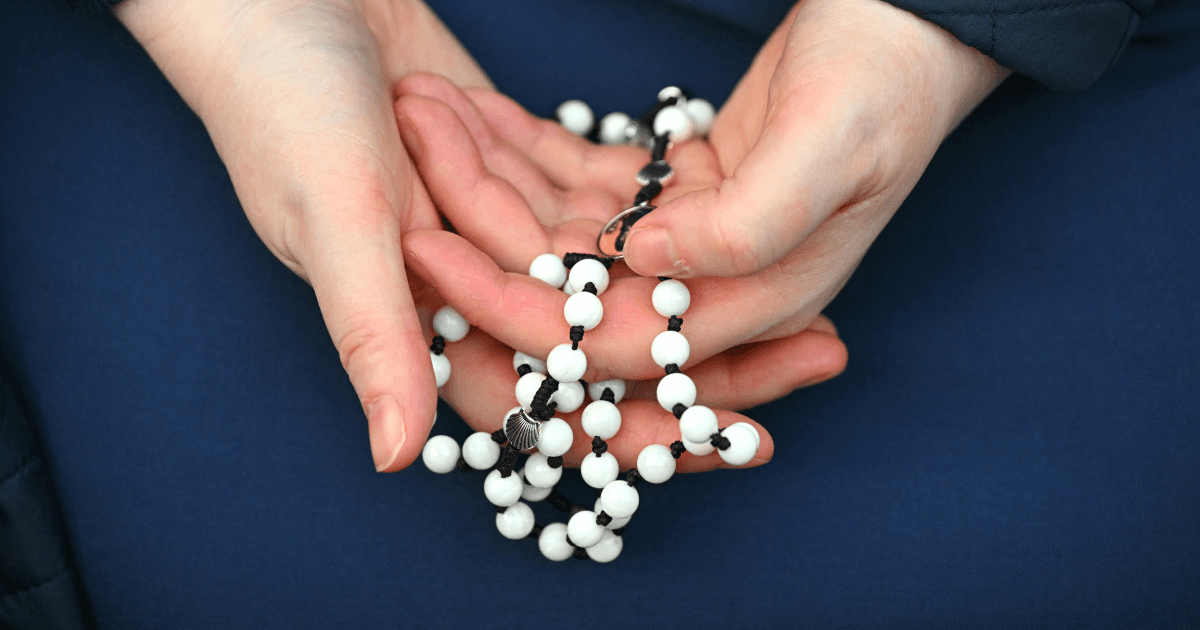 Newsroom
Thousands of Irish children to join global Rosary campaign
Corrie Douglas-Young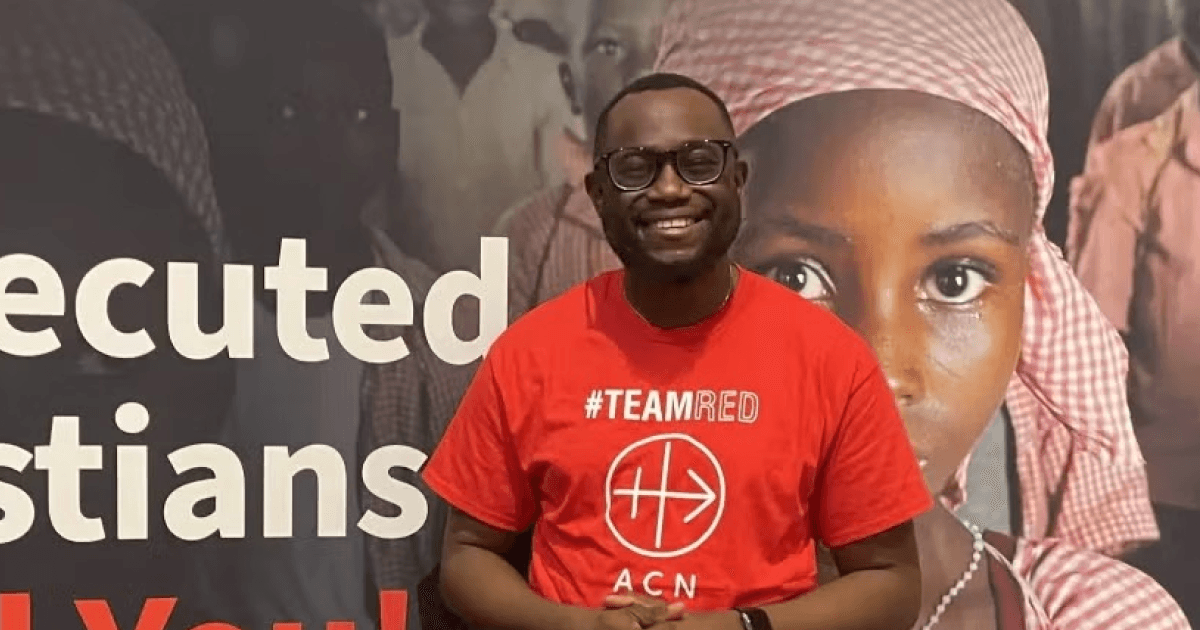 Newsroom
TikTok priest urges young people to stand with persecuted Christians
Nathalie Raffray Newsroom
Baby born at 25 weeks reunites with neonatologist two years after leaving hospital
The Catholic Herald Newsroom
Joe Biden honoured by Planned Parenthood after defending abortion rights
Christine Rousselle
subscribe to the catholic herald today
Our best content is exclusively available to our subscribers. Subscribe today and gain instant access to expert analysis, in-depth articles, and thought-provoking insights—anytime, anywhere. Don’t miss out on the conversations that matter most.
Subscribe



