




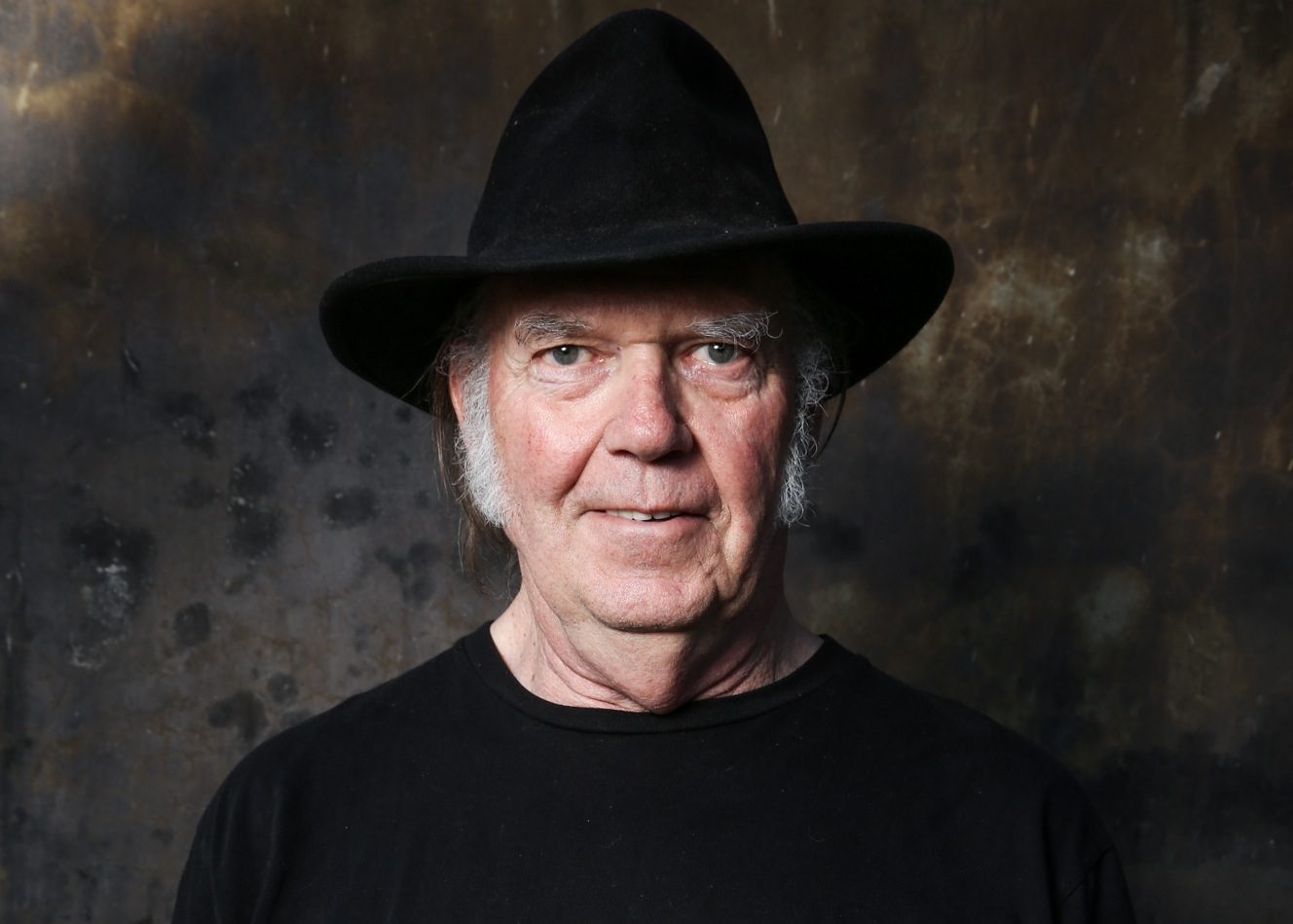
Neil Young’s 40th studio album, Peace Trail, is a hypnotic amalgam of acoustic folk-rock and mellow denim riffs accompanied by blasts of distortion-heavy harmonica and Les Paul electrics. Any good? The Canadian singer/song-writer, 71, has produced a work that recalls his pared-down 1974 masterwork, On the Beach. Of the album’s 10 new songs, only one (the ditty-like Texas Rangers) grievously disappoints. Young’s distinctive falsetto is a thing of strange beauty, but here it often draws the listener in with its meditative intensity. Knocked out over a few days at Rick Rubin’s super-cool Shangri-La Studios in Malibu, the album launches into a maraca-shaking tom-tom rhythm as Young delivers a pious-sounding hymn to the plight of Native American Indians. “Up in the rainbow tepee sky …” he intones, dead serious. Last November on Facebook, with his accustomed righteousness, Young called on President Obama to curb police violence against protesters trying to block construction of an oil pipeline near a North Dakota Sioux reservation. Indian Givers, a shuffly acoustic performance, continues the protest with snatches of grungy harp over a two-chord blues riff. “There’s a battle raging on the sacred land,” Young sings in hectoring, testy mode, adding: “Our brothers and sisters have to take a stand …” Though the state has now come to an agreement with the protestors, some may flinch at Young’s hippie-era spirituality and earnestness. Unfortunately, as Young well knows, Geronimo and his descendants stood little chance in the American Dream. The album’s heavily mythologised Dakota plains, where the Sioux, Cheyenne and other First Nations peoples fought and lost against the US Army in the 19th century, were swiftly overrun by European homesteaders and other pioneer settlers whose conservative identity was founded on the right to kill in self-defence. Peace Trail (Jim Keltner, drums; Paul Bushnell, bass) conjures a sour-sweet portrait of contemporary middle America, with its railroad tracks, grassy ranchlands and county courtrooms. Can’t Stop Workin’, a tongue-in-cheek hosanna to the pioneer work ethic, is dark and intriguing, as is the poignant John Oaks ballad about a pick-up-driving eco-farmer who likes to call a spade a spade (“He calls it like he sees it”), until the National Guard gun him down over a shady, big business land dispute. Bob Dylan’s Americana folk album John Wesley Harding, with its beatnik hymn to the world as an open highway and hallucinated visions of St Augustine and Thomas Paine, is a clear influence as Young conjures a holy vision of Florence Nightingale (My Pledge), and apostrophises an innocent, pre-Mayflower America. The album ends on an unexpectedly jocose note, however, with My New Robot, where an attempt to buy a toy robot on “Amazon dot com” (Young articulates the words sardonically) is frustrated by Kraftwerk-like beeps and vocoder burps emanating from the computer. Weird and memorable.
12:00 PM
Album review: Neil Young’s hippie sermon on US history
Ian Thomson

3 min read



Already a subscriber? Sign in
5freearticles every month
Continue reading with a free account. No card needed.
- Five free articles every thirty days, on any device you sign in on
- The Catholic Herald newsletter, every morning
- Subscribe whenever you like for everything: every article and the magazine
Related articles
 Newsroom
Church leaders urge Drumcree dialogue: ‘Too much is at stake’
The Catholic and Church of Ireland Archbishops of Armagh have urged a renewed commitment to peace and reconciliation amid the Drumcree stand-off
Corrie Douglas-Young Newsroom
Thousands of Irish children to join global Rosary campaign
Corrie Douglas-Young Newsroom
TikTok priest urges young people to stand with persecuted Christians
Nathalie Raffray Newsroom
Baby born at 25 weeks reunites with neonatologist two years after leaving hospital
The Catholic Herald Newsroom
Joe Biden honoured by Planned Parenthood after defending abortion rights
Christine Rousselle
subscribe to the catholic herald today
Our best content is exclusively available to our subscribers. Subscribe today and gain instant access to expert analysis, in-depth articles, and thought-provoking insights—anytime, anywhere. Don’t miss out on the conversations that matter most.
Subscribe



