



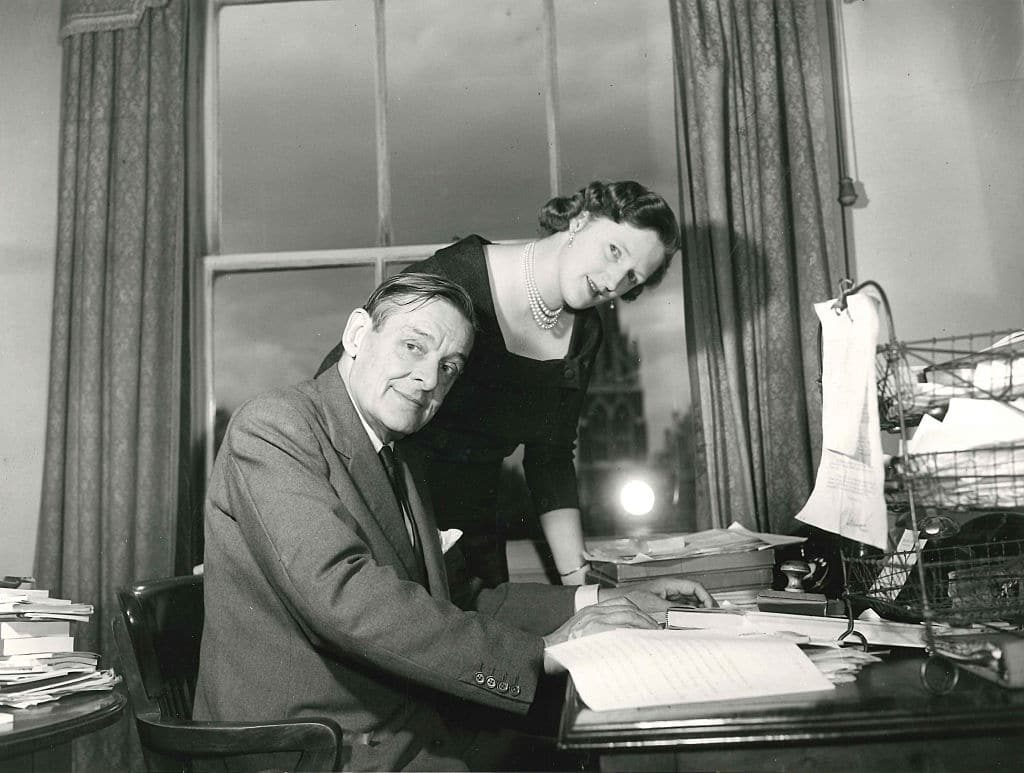
One hundred years ago this month, TS Eliot was in the final stage of composing his masterpiece, The Waste Land, whose publication centenary we celebrate next year. The 433-line poem is one of those craggy, difficult monuments of “high modernism”, as the period was once grandly termed. However, unlike the forbidding lengths of James Joyce’s Ulysses, Ezra Pound’s Cantos, or Thomas Mann’s The Magic Mountain, Eliot’s poem can be swallowed whole in about 25 minutes. When I introduce The Waste Landto undergraduates, I soft-pedal its difficulties by suggesting they not bother looking up allusions or googling help, and I ask them simply to listen to a professional actor or poet reading the poem on YouTube. Hearing the music of the poem without at first worrying about its obscure meanings is the fastest way to get hooked on the haunting weirdness of the thing. (I was puzzled when my students glommed on to a recording by Alec Guiness. Apparently Star Wars fans, their fall into The Waste Land was precipitated by Obi-Wan Kenobi’s delivery.)
3:53 PM
Ambition and despair: the centenary of TS Eliot’s ‘The Waste Land'
Jayme Stayer

9 min read



Already a subscriber? Sign in
5freearticles every month
Continue reading with a free account. No card needed.
- Five free articles every thirty days, on any device you sign in on
- The Catholic Herald newsletter, every morning
- Subscribe whenever you like for everything: every article and the magazine
Related articles
 Newsroom
Church leaders urge Drumcree dialogue: ‘Too much is at stake’
The Catholic and Church of Ireland Archbishops of Armagh have urged a renewed commitment to peace and reconciliation amid the Drumcree stand-off
Corrie Douglas-Young Newsroom
Thousands of Irish children to join global Rosary campaign
Corrie Douglas-Young Newsroom
TikTok priest urges young people to stand with persecuted Christians
Nathalie Raffray Newsroom
Baby born at 25 weeks reunites with neonatologist two years after leaving hospital
The Catholic Herald Newsroom
Joe Biden honoured by Planned Parenthood after defending abortion rights
Christine Rousselle
subscribe to the catholic herald today
Our best content is exclusively available to our subscribers. Subscribe today and gain instant access to expert analysis, in-depth articles, and thought-provoking insights—anytime, anywhere. Don’t miss out on the conversations that matter most.
Subscribe



