
July 15, 2026

Amnesty calls bishops a “growing threat” in withdrawn report

Corrie Douglas-Young
More
Related
Min read
share

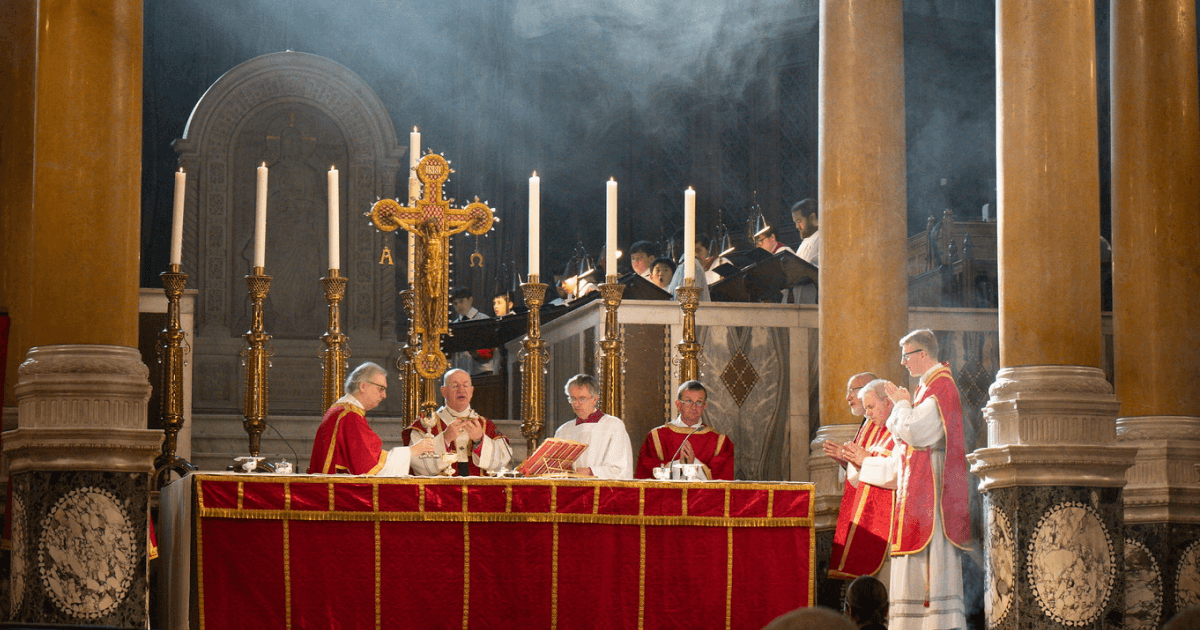
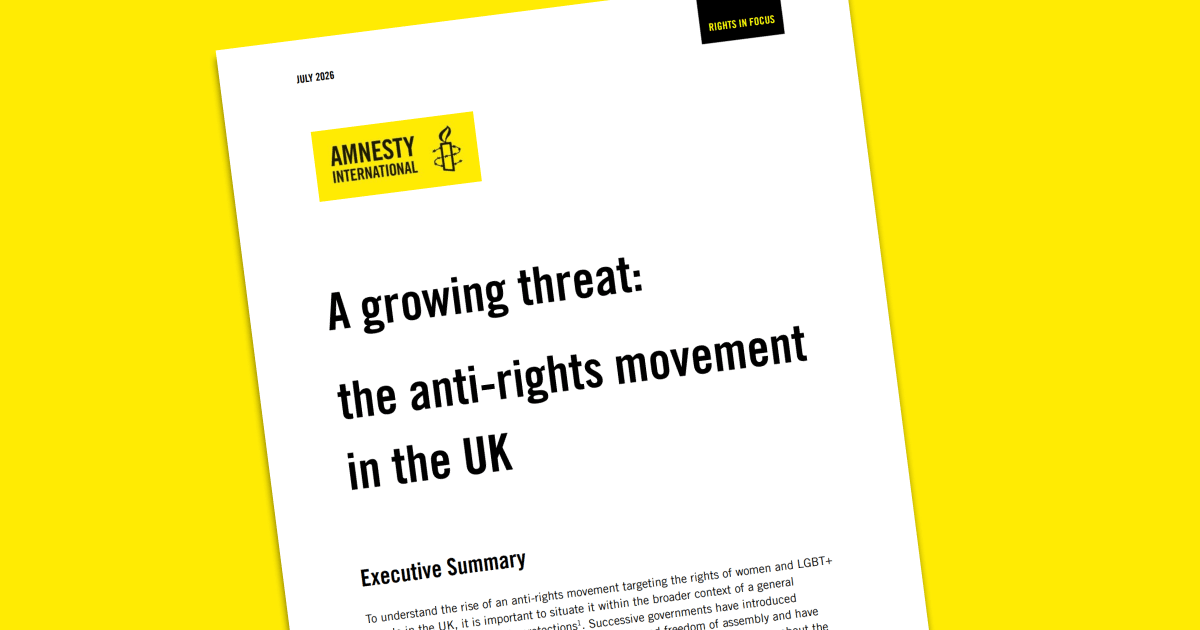
Amnesty International has come under fire after listing the Bishops’ Conference of England and Wales, alongside a number of other Catholic organisations, as a “growing threat” and part of the so-called “anti-rights movement in the UK”. Among the 117 organisations listed in the now-removed report were the Catholic Herald, the Catholic Medical Association and Beira’s Place, an Edinburgh-based sexual assault support centre founded by J K Rowling.

The report - A growing threat: the anti-rights movement in the UK – defined anti-rights actors as “formal and informal groups, individuals, private and state actors whose aim is to restrict human rights by undermining human rights protections in law and practice.”
It called on the Charity Commission to review “the awarding of charitable status to organisations” and for institutional donors to “reduce the risk of funding organisations whose activities undermine human rights protections.”

The report, which was removed from Amnesty International’s website, stated: “These organisations form part of a wider anti-rights ecosystem—a network of groups that work on different issues but share similar goals and often support each other's efforts to roll back human rights protections.”

The Bishops' Conference of England and Wales said in a statement to the Catholic Herald that the Church works to “uphold the God-given rights of all humanity, without exception.”

“This includes the rights of those unjustly imprisoned, of refugees and migrants, of those who have been trafficked, and the right to life of all people from conception to natural death. Furthermore, we uphold the right to freedom of religion, conscience and expression as explained in the document of the Second Vatican Council, Dignitatis Humanae. Our belief in the dignity of every person, from which a proper understanding of human rights comes, animates all our work in the field of social justice in England and Wales.”

The report quickly drew widespread controversy and was subsequently removed, with Amnesty International stating that its language did not reflect the organisation's position.

Amnesty International said in a statement: "We regret that this briefing was uploaded to our website without going through the established internal review processes that are in place to ensure consistency, accuracy and alignment with Amnesty International UK's positions. Its use of language does not reflect the position of Amnesty International UK which is why it was promptly removed.”

The statement concluded with Amnesty International reaffirming its commitment to “defending human rights, including both the rights of women and the rights of trans people.”

Continue reading with a free account

Create a free account to read up to five articles each month
Create free account

You have # free articles remaining this month.

Subscribe to get unlimited access.
Sign up

subscribe to the catholic herald today

Our best content is exclusively available to our subscribers. Subscribe today and gain instant access to expert analysis, in-depth articles, and thought-provoking insights—anytime, anywhere. Don’t miss out on the conversations that matter most.
Subscribe