



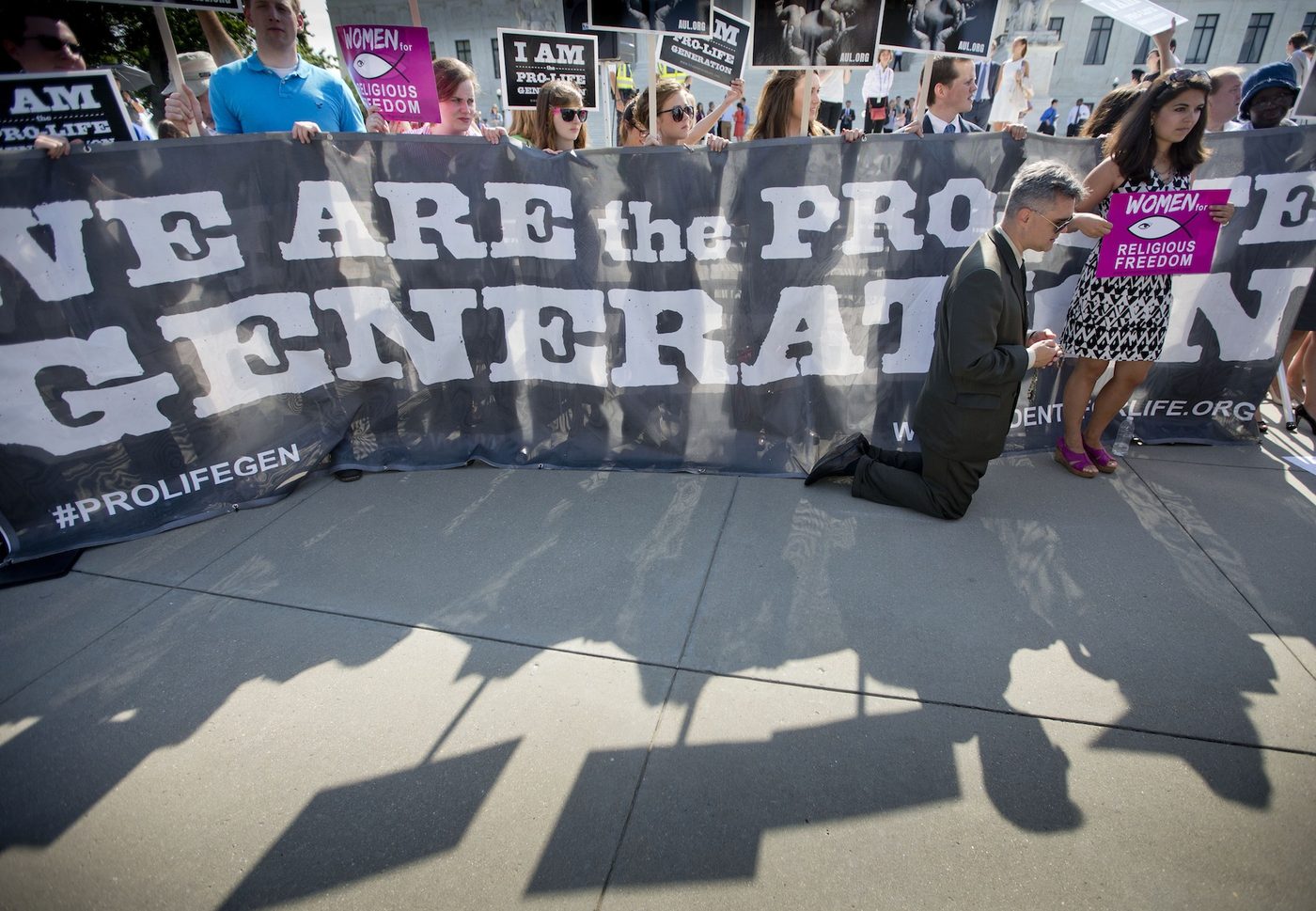
A seventh US federal appeals court has ruled against Church-affiliated organisations that oppose being required to provide contraceptive care to employees through a third party. In a case filed on behalf of Catholic health care organisations in the Archdiocese of New York and the Diocese of Rockville Centre, New York, as well as two Catholic high schools, the second US Circuit Court of Appeals said what the Department of Health and Human Services calls an accommodation for such entities adequately protects them from participating in something that conflicts with Catholic teaching. Writing for the three-judge panel, Judge Rosemary Pooler reiterated many of the legal conclusions reached by other appeals courts that have ruled against religious organisations including the Little Sisters of the Poor and entities in the Archdiocese of Washington, and the dioceses of Erie and Pittsburgh, Pennsylvania, Fort Worth and Beaumont, Texas, and Nashville, Tennessee, as well as the University of Notre Dame, Priests for Life and an assortment of Christian colleges and ministries. Pooler wrote a succinct summary of the decision to reverse a District Court ruling that had issued a preliminary injunction blocking enforcement of the requirement of the Affordable Care Act. "We reverse, concluding that the challenged accommodation for religious objectors relieves, rather than imposes, any substantial burden on plaintiffs' religious exercise, and thus does not violate the Religious Freedom Restoration Act," she wrote. Many Catholic institutions as well as those of other faiths have sued over the requirement to provide contraceptive insurance coverage for employees, saying that providing contraceptives or otherwise participating in their use violates their religious teachings. Like other appeals courts, Pooler drew on the Supreme Court's ruling last summer in Hobby Lobby, a for-profit arts and crafts company whose owners objected to the contraceptive insurance requirement. In that case, the Supreme Court found that employers such as Hobby Lobby could be exempted from the requirement to provide contraceptive coverage. On July 10, HHS issued a new set of rules in light of the Hobby Lobby decision, extending to for-profit companies the same accommodation it created for the non-profits. The rules would apply to for-profit entities, owned by five or fewer individuals, which are not publicly traded. Religious employers such as churches and dioceses are exempt from the contraceptive mandate if they object on religious grounds. But the exemption is not available to faith-based entities that are not primarily involved in inculcating the faith or that primarily employ workers of the same faith. Like other appeals judges, Pooler noted that the accommodation the federal government makes available to non-profit entities does not impose the kind of substantial burden faced by for-profit organisations represented by the Hobby Lobby ruling. Those employers faced only the option of paying substantial fines if they failed to comply. Under the accommodation, employers need to fill out a form and send it to the federal government, stating that it does not intend to provide contraceptive coverage for religious reasons. Employers also may simply send a short message by email making the same point. The government then takes that information and insures that contraceptive coverage is provided to employees of those companies, without any further action or cost to the employers. The New York organisations sued had argued that even the paperwork or email requirements implicated them in what they believe is sinful activity. If they fail to follow the accommodation, they also face substantial fines. They argued that the steps constitute a substantial burden on their rights under RFRA. The court disagreed: "We conclude that the fact that a RFRA plaintiff considers a regulatory burden substantial does not make it a substantial burden. Were it otherwise, no burden would be insubstantial." Pooler said that contrary to the plaintiff's argument, "Hobby Lobby did not collapse the distinction between beliefs and substantial burden, such that the latter could be established simply through the sincerity of the former." She noted that unlike the situation faced by Hobby Lobby plaintiffs, the accommodation provides nonprofit religious employers with a reasonable way to avoid paying fines for non-compliance. She compared the accommodation's steps to what is required to register as a conscientious objector to be relieved of a military service requirement. "To be sure, the notification required of plaintiffs here certainly imposes some burden. But any imposition from completing the form falls well below the degree of substantial burdensomeness that has historically entitled a RFRA plaintiff … to accommodation or triggered strict scrutiny analysis … Indeed, the accommodation here involves the same 'de minimis' burden of notification historically required of religious objectors under statutory and regulatory schemes such as the military draft and medical conscience clauses ... As with other religious objectors, there must be some method by which the government can be notified of the objection. Otherwise there is no way that the government can know which organisations it needs to accommodate. Here, the government has provided flexible, largely effortless, and essentially cost-free options for notification." The organisations suing in the 2nd Circuit case include Catholic Health Care System of New York, Catholic Health Services of Long Island, Cardinal Spellman High School in the New York bough of the Bronx and Msgr Farrell High School in the New York borough of Staten Island. Five appeals court rulings have been appealed to the Supreme Court, which is not expected to announce any new cases accepted for its Autumn term until shortly before the opening date of October 5. In addition to the now seven appeals courts that have ruled in favour of the government in such cases, the 3rd, 10th and 11th circuit courts have appeals pending, according to a database kept by the Becket Fund, which represents many of the plaintiffs that have sued the government.
1:08 PM
Appeals court rules against New York Catholic organisations over contraceptives
Many Catholic institutions have sued over the legal requirement to provide contraceptive insurance coverage for employees
Catholic News Service

5 min read



Already a subscriber? Sign in
5freearticles every month
Continue reading with a free account. No card needed.
- Five free articles every thirty days, on any device you sign in on
- The Catholic Herald newsletter, every morning
- Subscribe whenever you like for everything: every article and the magazine
Related articles
 Newsroom
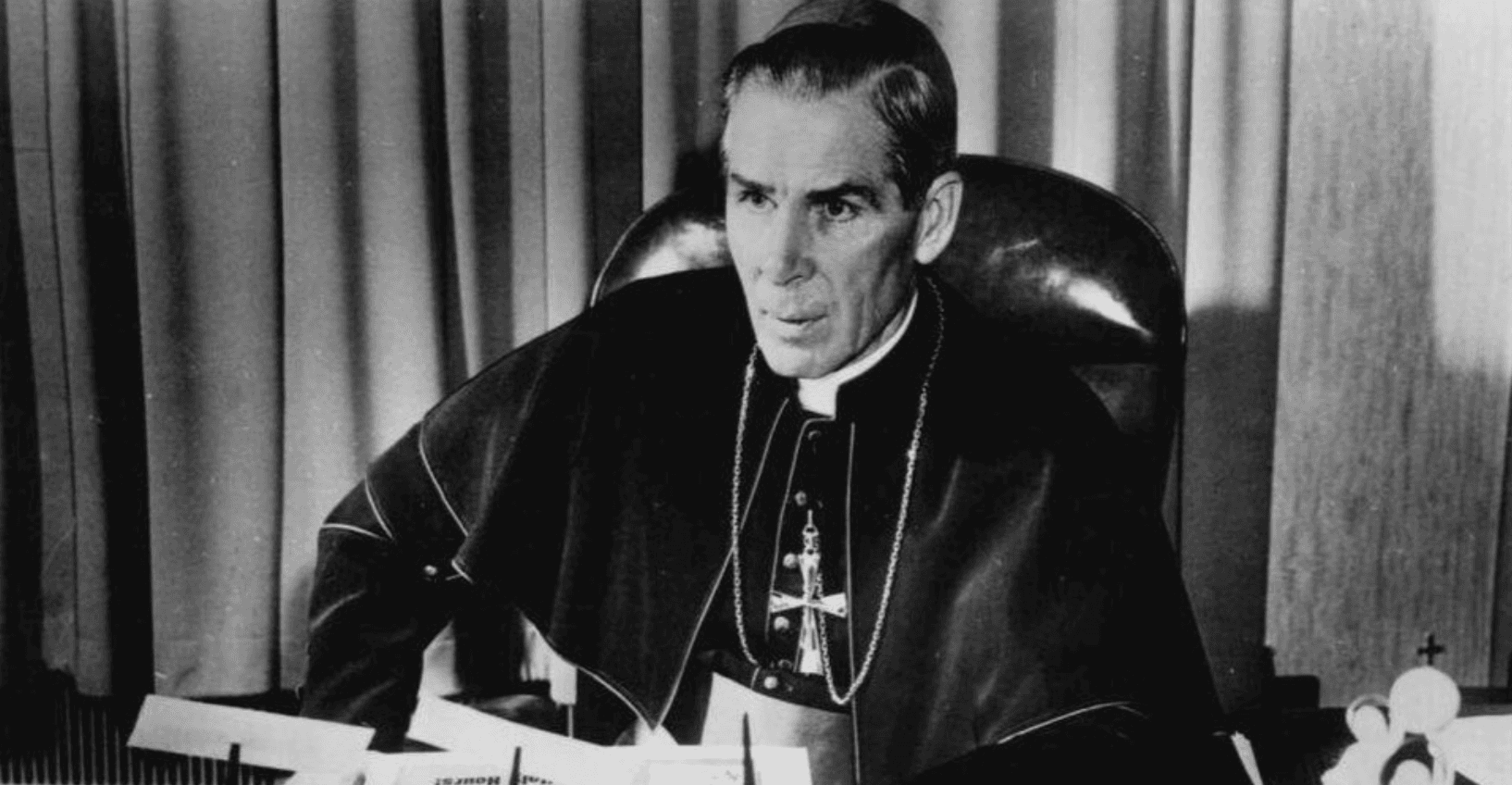
First parish named for Bl Fulton Sheen established in Illinois
Bishop Louis Tylka of Peoria announced the new Blessed Fulton Sheen Parish two days after Sheen became the first American-born bishop to be beatified
Christine Rousselle Newsroom
Injured priest tells Poles: ‘Do not blame Ukraine’ for convent attack
Corrie Douglas-Young Newsroom
Church leaders urge Drumcree dialogue: ‘Too much is at stake’
Corrie Douglas-Young Newsroom
Thousands of Irish children to join global Rosary campaign
Corrie Douglas-Young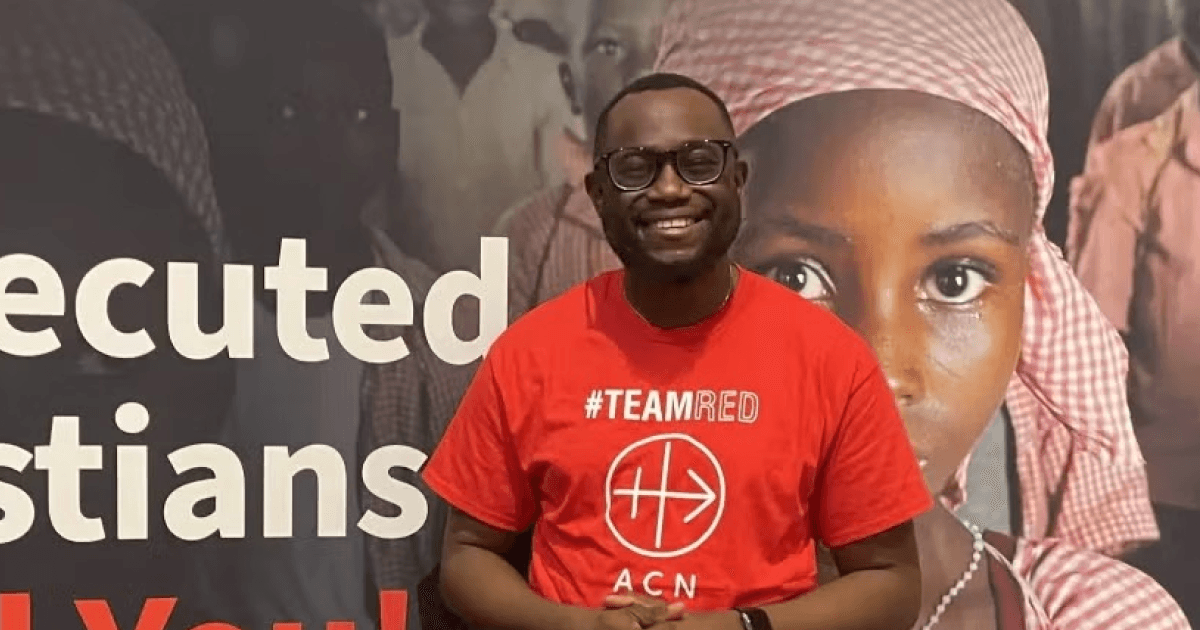 Newsroom
TikTok priest urges young people to stand with persecuted Christians
Nathalie Raffray
subscribe to the catholic herald today
Our best content is exclusively available to our subscribers. Subscribe today and gain instant access to expert analysis, in-depth articles, and thought-provoking insights—anytime, anywhere. Don’t miss out on the conversations that matter most.
Subscribe



