

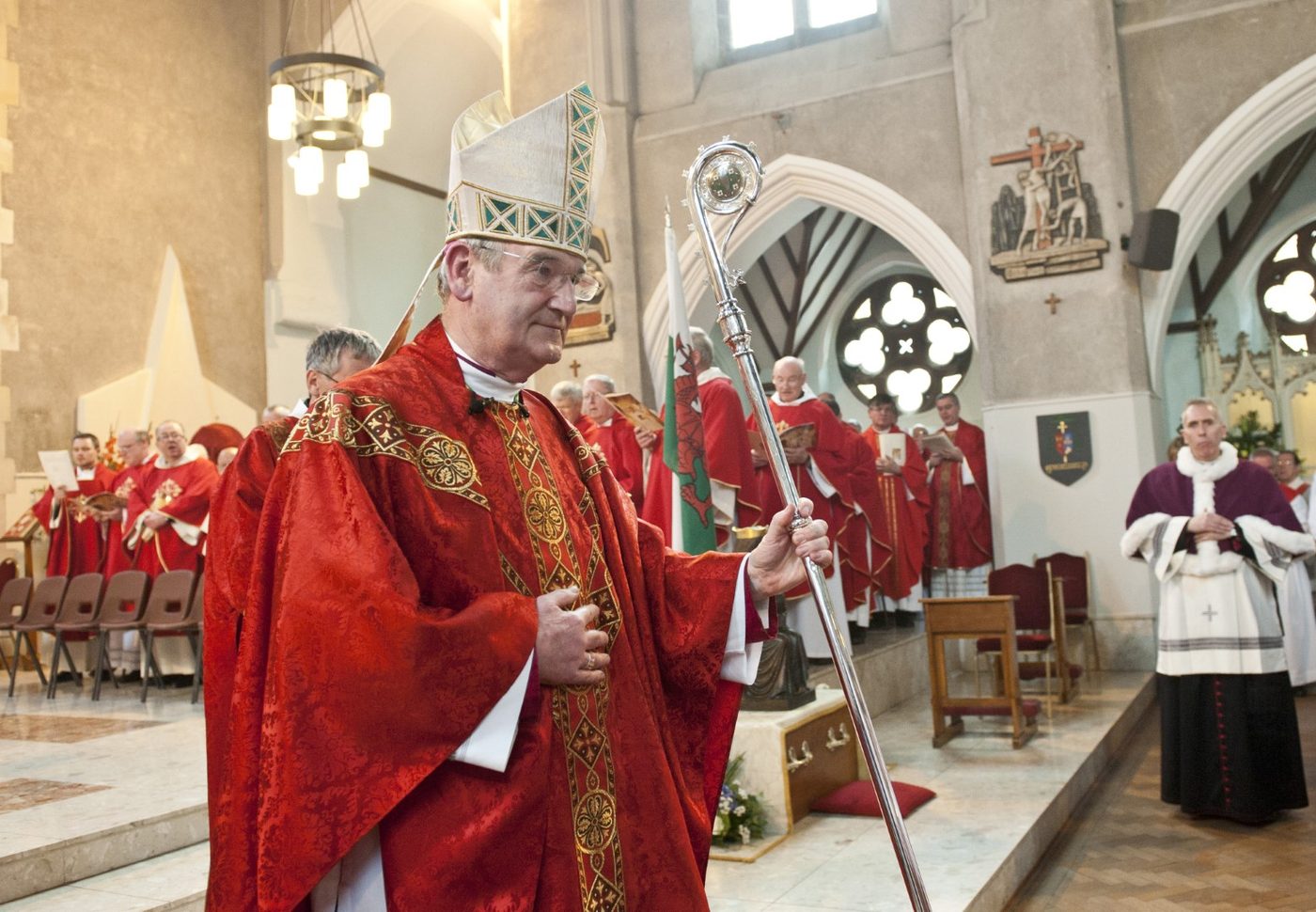
The people in charge of giving grants to churches to preserve and repair buildings do not grasp the purpose of a Catholic church, according to the bishop in charge of worship and liturgy. Archbishop George Stack, chairman of the patrimony committee of the Bishops’ Conference of England and Wales, criticised the Heritage Lottery Fund (HLF) during a speech on Saturday. Giving the St Bede annual liturgy lecture at Ealing Abbey, the Archbishop of Cardiff said that the HLF, which has benefited many churches in recent years, had now changed its policy on places of worship and had no idea of what a sacred space was. “The ‘Grants for Places of Worship’ … is being swept up into the amenities grants,” said Archbishop Stack. “Churches are to be regarded in the same way as museums and railways and to be measured in terms of their ‘community use’. “The nature of sacred space has a meaning all of its own which cannot be quantified or measured in terms of ‘visitor numbers’ or ‘community impact’.” The HLF, created in 1994 to distribute lottery money, announced in April that it was scrapping its £25 million Grants for Places of Worship fund next year. Instead, money for churches will come out of its general heritage programme. According to Archbishop Stack, the Fund’s notion of church use has been influenced by the way in which many rural Anglican churches are being used to accommodate other functions, such as post office services and crèches, to make them viable. But the Catholic Church’s approach is entirely different, said Archbishop Stack, who is due to meet HLF chairman Sir Peter Luff. “They have an Anglican-centric view of what a church is. They don’t understand our sacred space,” he said after the lecture. He added that he has had letters of support from rabbis who share the Catholic view of what sacred space can be used for. In his lecture Archbishop Stack also said that Catholics needed to reflect regularly on the meaning and purpose of churches and their contents, and that people needed to be made aware of the significance of the baptismal font, the ambo, presidential chair, altar and confessional. The archbishop, a member of the Vox Clara Commission of the Sacred Congregation of Divine Worship, said that after the Second Vatican Council the ordering of sacred space had been changed but what the Council wanted was not always understood. “In many places the original re-ordering was more a ‘re-arrangement of furniture’ to accommodate the new liturgy,” he said. But now “the re-ordering of the re-ordering” was taking place in many churches. This did not mean a return to pre-conciliar liturgy, he explained, but instead a set-up which allowed a more prayerful encounter with God and active participation in the liturgy. Archbishop Stack’s own cathedral in Cardiff is being internally redesigned as part of the celebrations of the centenary of the archdiocese. HLF has distributed £850 million to places of worship since 1994. In a statement it said: “Under our new approach, applicants will need to engage with people as they did through the Grants Places of Worship programme. “There is no requirement for the activities to happen in the place of worship itself – this can take place anywhere congregations choose.”
1:00 PM
Archbishop criticises Heritage Lottery Fund
Staff writers

4 min read



Already a subscriber? Sign in
5freearticles every month
Continue reading with a free account. No card needed.
- Five free articles every thirty days, on any device you sign in on
- The Catholic Herald newsletter, every morning
- Subscribe whenever you like for everything: every article and the magazine
Related articles
 Newsroom
Church leaders urge Drumcree dialogue: ‘Too much is at stake’
The Catholic and Church of Ireland Archbishops of Armagh have urged a renewed commitment to peace and reconciliation amid the Drumcree stand-off
Corrie Douglas-Young Newsroom
Thousands of Irish children to join global Rosary campaign
Corrie Douglas-Young Newsroom
TikTok priest urges young people to stand with persecuted Christians
Nathalie Raffray Newsroom
Baby born at 25 weeks reunites with neonatologist two years after leaving hospital
The Catholic Herald Newsroom
Joe Biden honoured by Planned Parenthood after defending abortion rights
Christine Rousselle
subscribe to the catholic herald today
Our best content is exclusively available to our subscribers. Subscribe today and gain instant access to expert analysis, in-depth articles, and thought-provoking insights—anytime, anywhere. Don’t miss out on the conversations that matter most.
Subscribe



