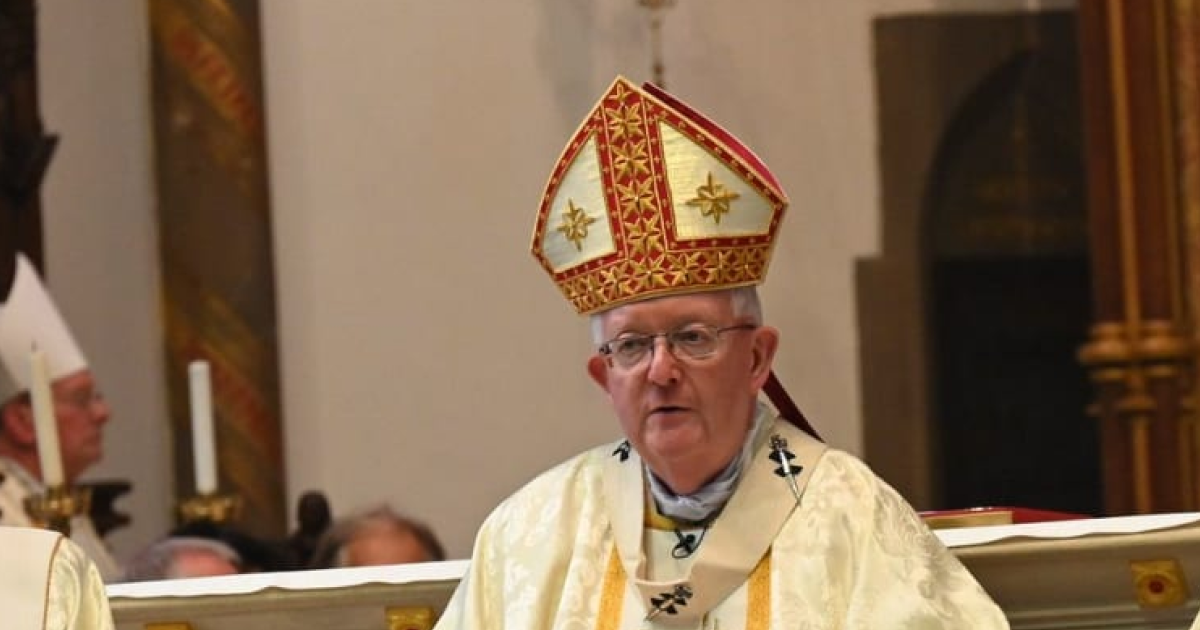


Archbishop Bernard Longley of Birmingham has supported the strengthening of palliative care following comments made by Prime Minister Andy Burnham last week. The archbishop said that palliative care gives “real options” and a “dignified approach” to those facing the end of their lives.
Archbishop Longley said: “The dignity of human life and the precious gift of human life is very important, and indeed the preservation of life is something which is at the heart of what we share in common as Christians, but with many other people of faith or of no faith at all.”
He continued: “It is important that, with the encouragement of the recent words of our Prime Minister, we look very carefully at the whole system of care for those people who are in need, and in particular to look to strengthening what is available via palliative care so that we give real options to those who are facing the end of their lives; real options for care and for a dignified approach to the end of their life so that they may die well.”
A recent letter signed by more than 140 doctors, nurses and other healthcare workers in Yorkshire calling on MPs to reject the Bill said that access to palliative care was “inequitable and woefully inadequate”.
“Without national focus and funding reviews to bolster palliative care provision in each of these areas, we risk palliative care services becoming ever more stretched”, the letter read.
According to a report by Marie Curie in 2024, one in five people who were dying had no contact with their GP in the last three months of life. Furthermore, staff in health and social care settings often noted that they did not have enough time to provide adequate care for people suffering with terminal illnesses.
The Prime Minister gave his support for increased provision for palliative care after he was asked about his stance on the forthcoming Second Reading of the Terminally Ill Adults (End of Life) Bill on September 11. If the Bill passes, it would would legalise assisted suicide for people aged 18 and over who are expected to die within six months.
Burnham said: "I take the view that that debate – and I don't say that there shouldn't be a debate at some point about those issues – personally, I think there's something that needs to happen first. That is the fixing of the funding of palliative care and social care.
"I think it is very challenging to introduce that wider debate in a context of people not receiving that care and having the peace of mind about that care."
Bishop John Keenan of Paisley stated that there existed a “duty to ensure that every person approaching the end of life has access to the compassionate palliative and social care they deserve.”
“No one should ever feel driven towards assisted suicide because they lack the care, support or dignity they need. We were grateful that the Scottish Parliament resolutely rejected assisted suicide only recently,” he said.
The Bill has been met with firm opposition from the Church, as a number of statements calling on Catholics to oppose the legislation have been released by bishops across Britain.