




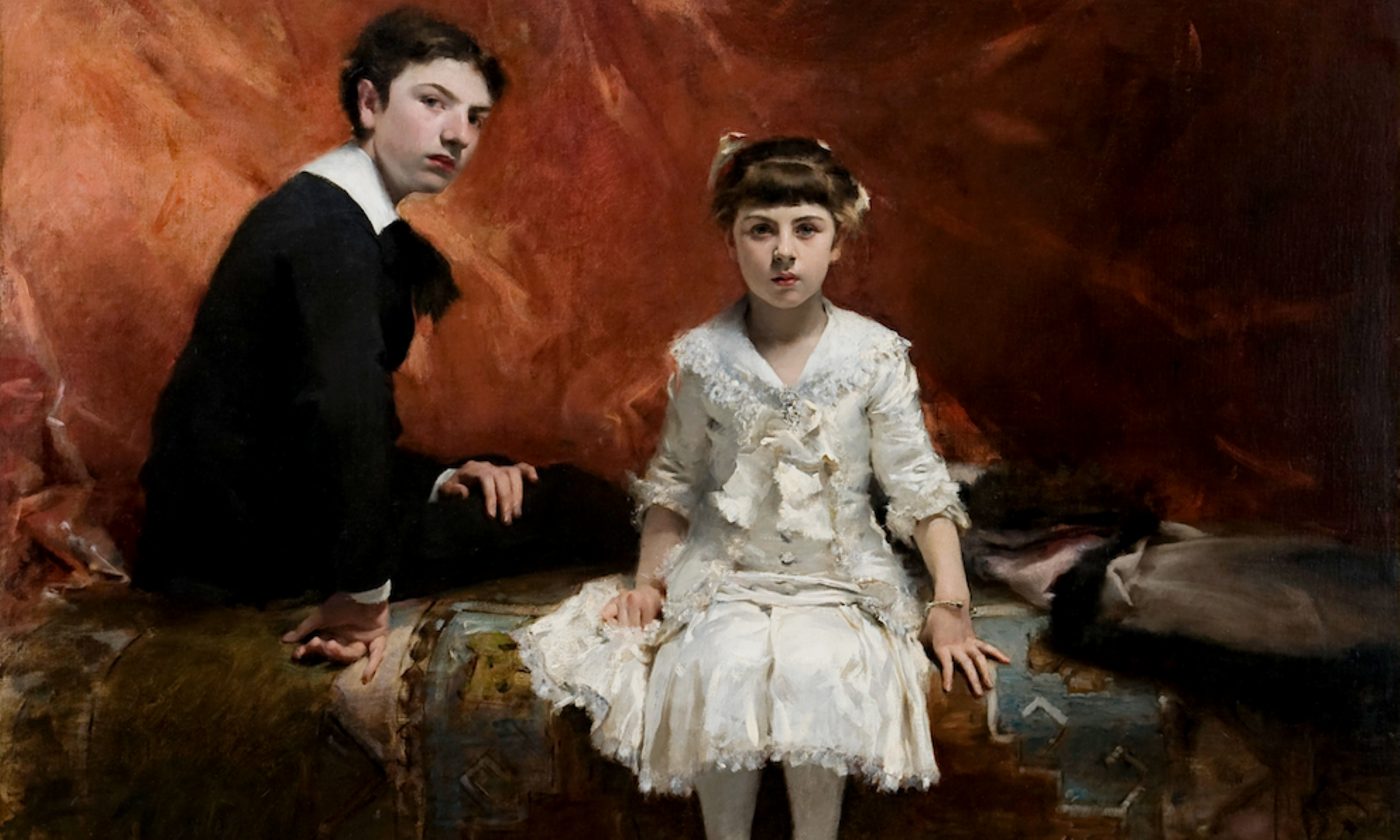
Sargent: Portraits of Artists and Friends National Portrait Gallery, until May 25 It is one of the curious things in history, and in life, that certain personalities who have all the fame and admiration in their own lifetime may become utterly dismissed by the following two or three generations. Then, perhaps, they come back into favour with a further generation that can look at them without prejudice and find they are of great talent. Such was the fate of John Singer Sargent (1856-1925). The exhibition of Sargent’s portraiture in the National Portrait Gallery is a great success as a result of this painter being taken seriously for the first time in 70 years. We are now almost at the centenary of his death. The brilliance of his handling of paint and the subtlety in the expression of the characters of his sitters is something that is rarely found in the art of our time. Sargent was the son of two rich Americans who were diplomats for much of their lives. Their duties carried them from capital to capital, over to France, Spain, Italy, Germany, Belgium and the Netherlands. The diplomatic necessity of the Sargents being in embassy after embassy meant that John Singer Sargent managed to acquire real language skills and could speak French, German, Italian and other languages fluently. He was also musical and could play the piano as well as a professional. When in Paris, Sargent learnt painting from Carolus-Duran, a particularly accomplished painter. He was friends with many of the major artists of the time, including Degas, Manet and Monet. He was also a friend of writers, especially Henry James. The artist dismissed as merely “pre-1914” for so long has regained his rightful place in the history of painting, partly thanks to this marvellous exhibition. Curiously enough, Sargent was an admirer of the Pre-Raphaelites, and a personal friend of some of the later ones, too. But his handling of paint, with a bravura which reminds one of Titian or Rubens, is entirely his own. In 1886 Sargent moved to London, staying in Tite Street (off the King’s Road) until his death in 1925, when his house was bought by my grandmother. I remember the interior quite well. The subject matter in Sargent’s portraiture is definitely of its period, but how incredible it is. It must be seen. This article first appeared in the latest edition of the Catholic Herald magazine (1/5/15). Take up our special subscription offer – 12 issues currently available for just £12!
11:00 AM
Art Review: The forgotten American who matched Rubens
Sargent, thankfully, is being taken seriously for the first time in 70 years
Patrick Reyntiens

3 min read



Already a subscriber? Sign in
5freearticles every month
Continue reading with a free account. No card needed.
- Five free articles every thirty days, on any device you sign in on
- The Catholic Herald newsletter, every morning
- Subscribe whenever you like for everything: every article and the magazine
Related articles
 Newsroom
Church leaders urge Drumcree dialogue: ‘Too much is at stake’
The Catholic and Church of Ireland Archbishops of Armagh have urged a renewed commitment to peace and reconciliation amid the Drumcree stand-off
Corrie Douglas-Young Newsroom
Thousands of Irish children to join global Rosary campaign
Corrie Douglas-Young Newsroom
TikTok priest urges young people to stand with persecuted Christians
Nathalie Raffray Newsroom
Baby born at 25 weeks reunites with neonatologist two years after leaving hospital
The Catholic Herald Newsroom
Joe Biden honoured by Planned Parenthood after defending abortion rights
Christine Rousselle
subscribe to the catholic herald today
Our best content is exclusively available to our subscribers. Subscribe today and gain instant access to expert analysis, in-depth articles, and thought-provoking insights—anytime, anywhere. Don’t miss out on the conversations that matter most.
Subscribe



